
Loading, please wait...
LOT 0184
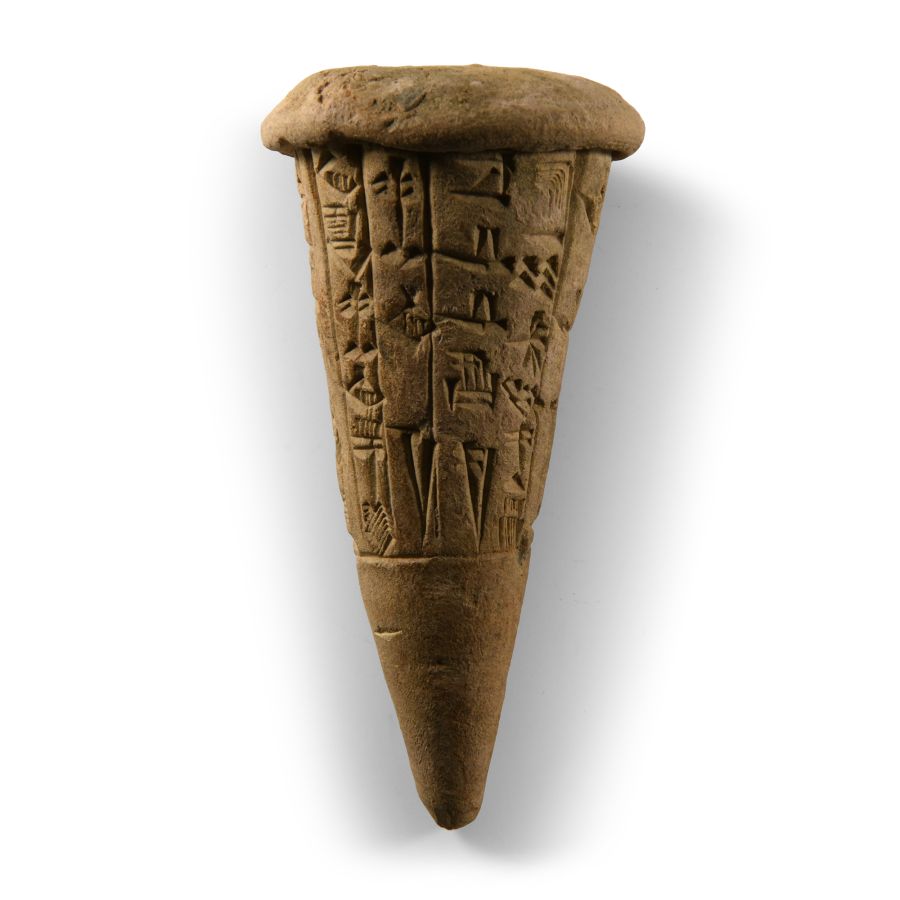
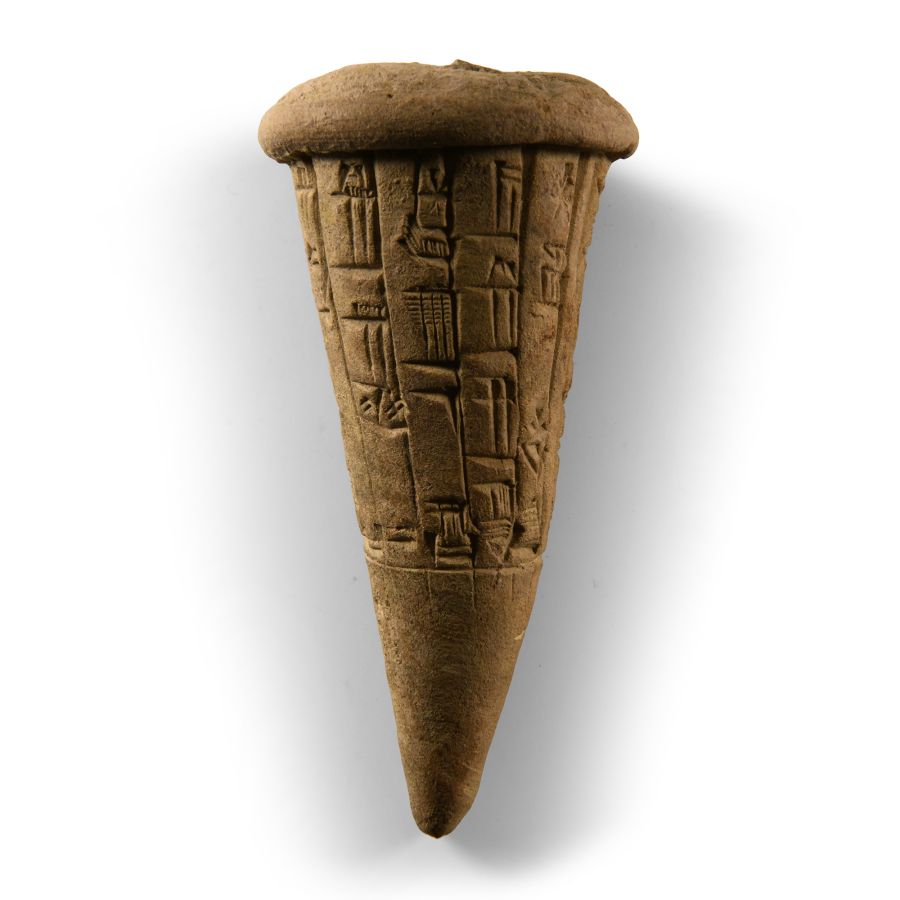
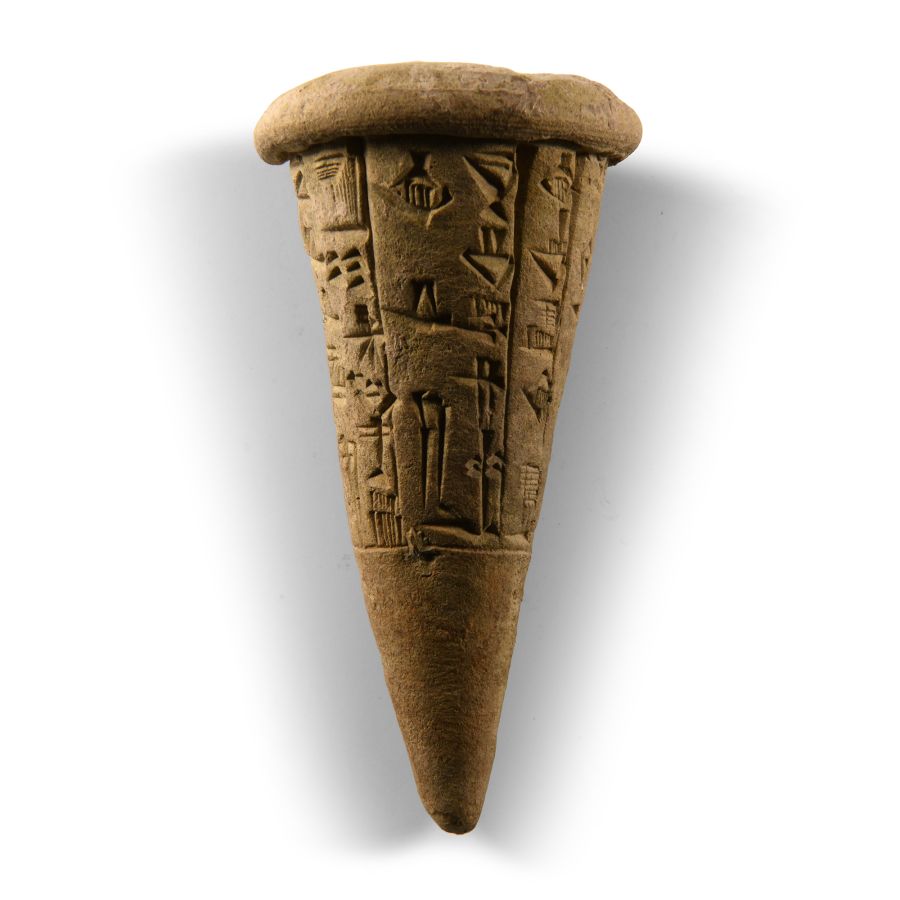
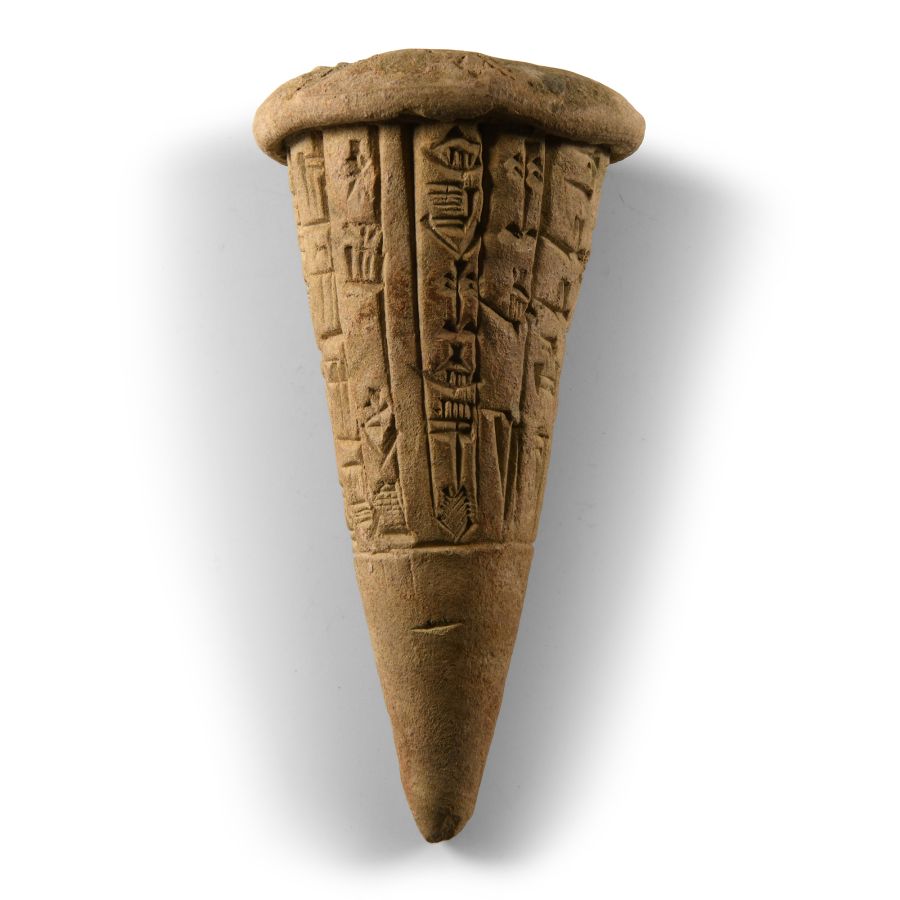
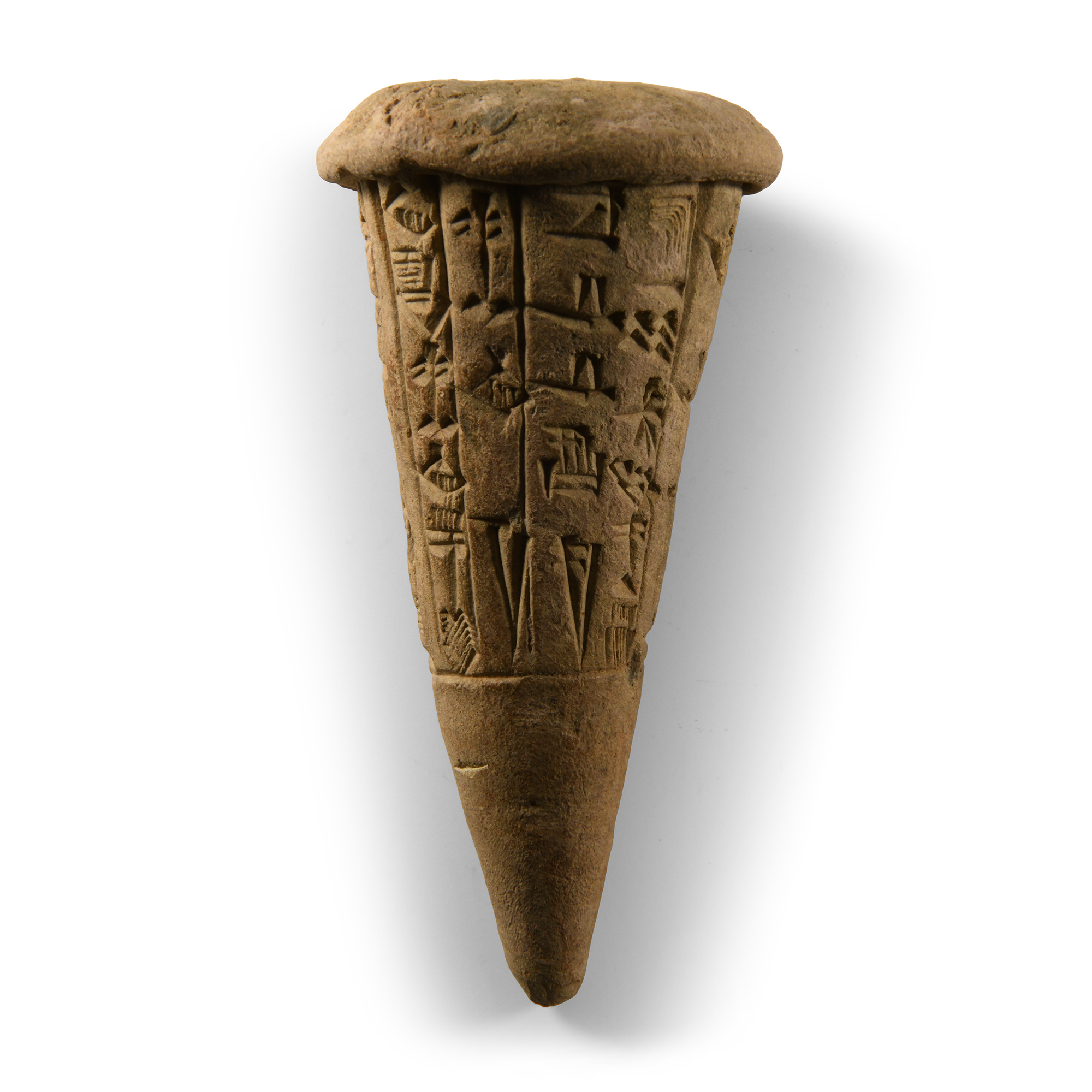
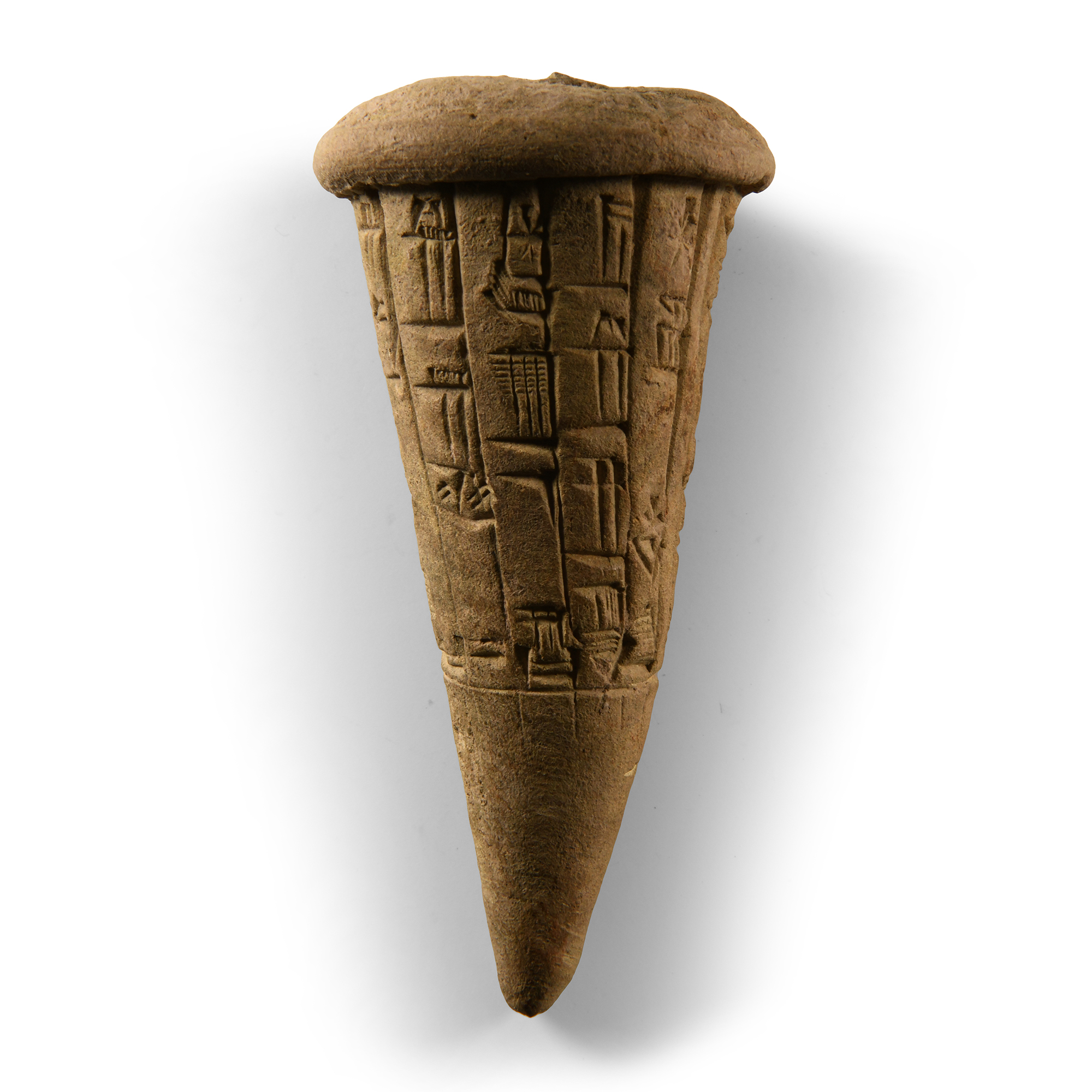
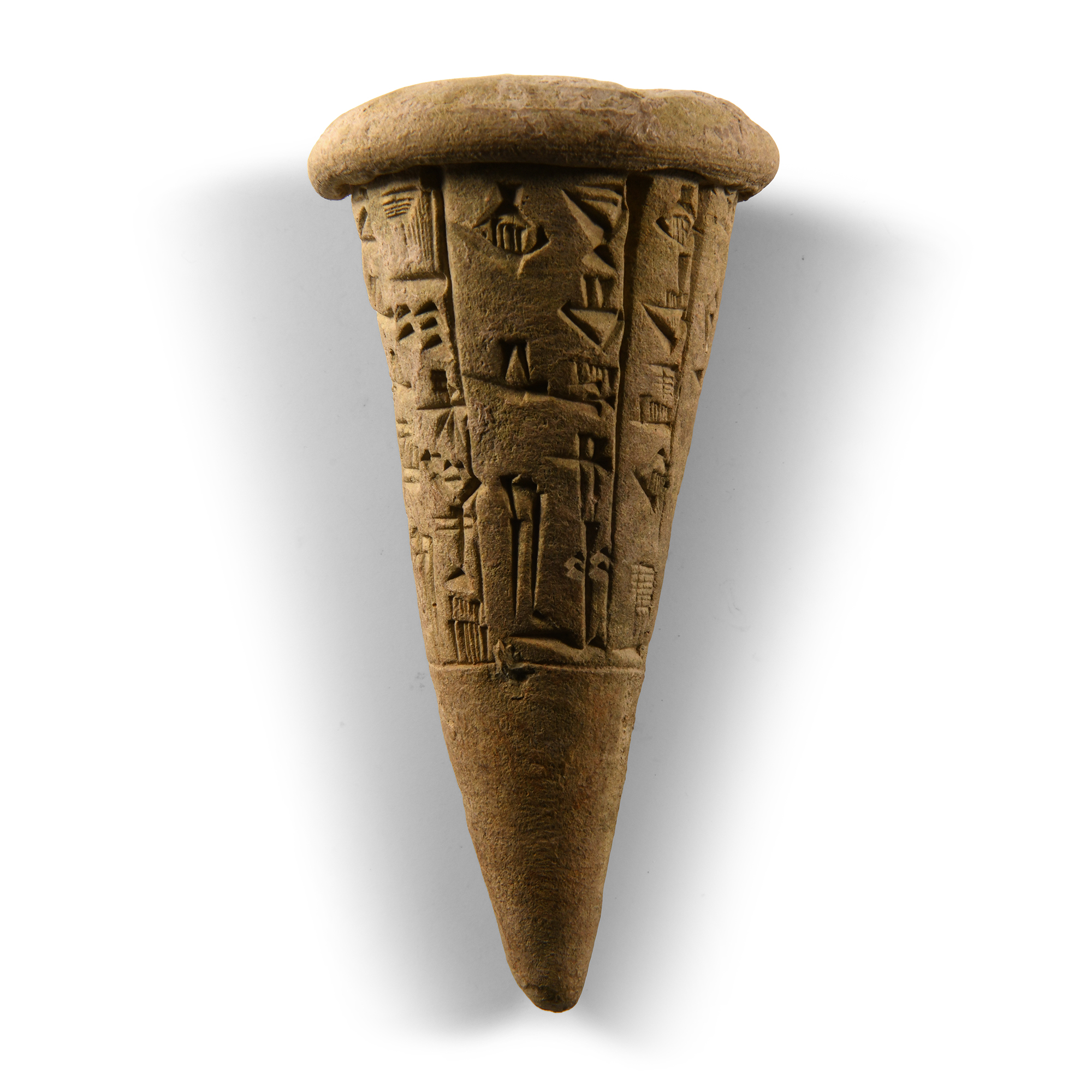
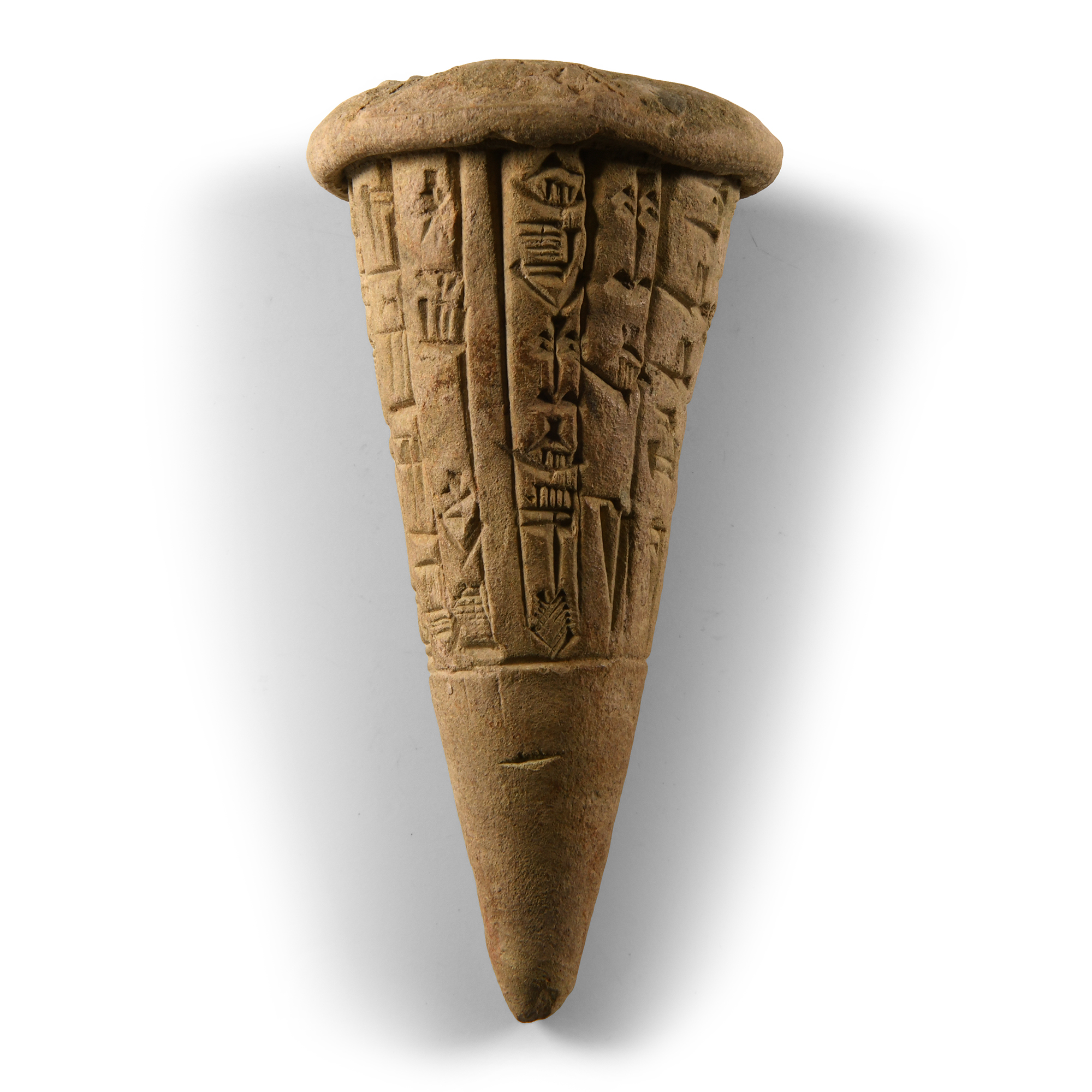
Sumerian Cuneiform Foundation Cone from Lagash During the Reign of Gudea
CIRCA 2100 B.C.
4 3/8 in. (188 grams, 11.1 cm).
From the temple of Ningirsu at Tello (Girsu) during the Second Dynasty of Lagash; inscribed with columns of cuneiform text:
'For Ningirsu, Enlil's strong hero, Gudéa prince of Lagaš, made immutable values (= rites) shine forth and built Eninnu his white eagle and restored it.' [No Reserve]
Previously from the estate of a West Sussex, UK, collector.
From a collection acquired from various auction houses in the UK.
From the estate of Mr R.W., a private Wiltshire, UK, collector; thence by descent.
Votive cones are one type of royal foundation deposit, objects that were buried in the walls and beneath the floors of important buildings during construction to sanctify the site and to create a historical memory of the ruler and his achievements.
CONDITIONTimeLine Auctions follows a vetting process to ensure the authenticity and legality of all items, reinforcing our commitment to integrity and responsible trading. Each antiquity, antique, and coin lot undergoes thorough examination by a vetting committee of at least ten external specialists, professional trade association members, scientists, and archaeologists: Our Vetting Process
AUCTIONS:
TimeLine is a leading auction house specialising in antiquities, ancient art, collectables, natural history, coins, medals, and books. Our auctions offer museums, collectors, historians, and enthusiasts the opportunity to acquire unique and historically significant pieces.
LOT 0184
Sumerian Cuneiform Foundation Cone from Lagash During the Reign of Gudea
Sold for (Inc. bp): £1,820
-
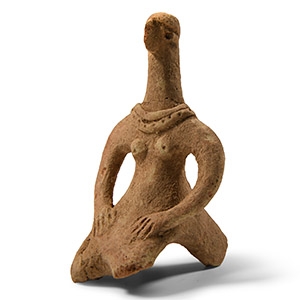
Chalcolithic Terracotta Female Figure
3rd millennium B.C.Sold for (Inc. bp): £338
Modelled in the round kneeling female figure with hands placed on the hips, applied breasts and hair, pinched facial features, impressed eyes and detailing to the collars; flared legs to the reverse. 130 grams, 12.5 cm
Acquired 1979-1999. From the collection of a late London, UK, gentleman. -
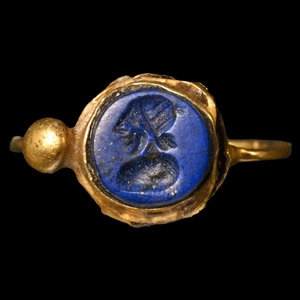
Sassanian Gold Ring with Portrait Gemstone
3rd-7th century A.D.Sold for (Inc. bp): £390
Flat-section hoop with cup bezel, and lateral bulb; inset lapis lazuli cloison with intaglio female bust. 2.23 grams, 20.71 mm overall, 15.39 mm internal diameter (approximate size British H 1/2, USA 4, Europe 6.81, Japan 6)
Ex property of a late Japanese collector, 1970-2000s. -
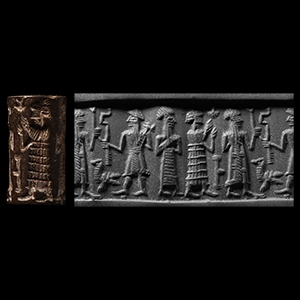
Cappadocian Cylinder Seal with Standing Figures and Lamma
Circa 1900-1800 B.C.Sold for (Inc. bp): £416
Haematite with four standing figures; accompanied by a section of an old typed scholarly note on a collection of 61 seals, typed and unsigned, by W. G. Lambert, late Professor of Assyriology, University of Birmingham, 1970-1993, which states: 'Cappadocian, c. 1900-1800 B.C. Hematite. Figure with axe over shoulder and holding symbol facing (i) figure holding different symbol, (ii) Lamma, and (iii) worshipper; bird, "vessel" and "ball staff".' 4.28 grams, 17 mm
Property of a London gentleman; part of his family collection since the 1970s with collection identification no.39. From a collection acquired from various auction houses in the UK. From the estate of Mr R.W., a private Wiltshire, UK, collector; thence by descent. Accompanied by a copy of an unsigned scholarly note by the late W.G. Lambert, Professor of Assyriology at the University of Birmingham, 1970-1993.
