
Loading, please wait...
LOT 2124
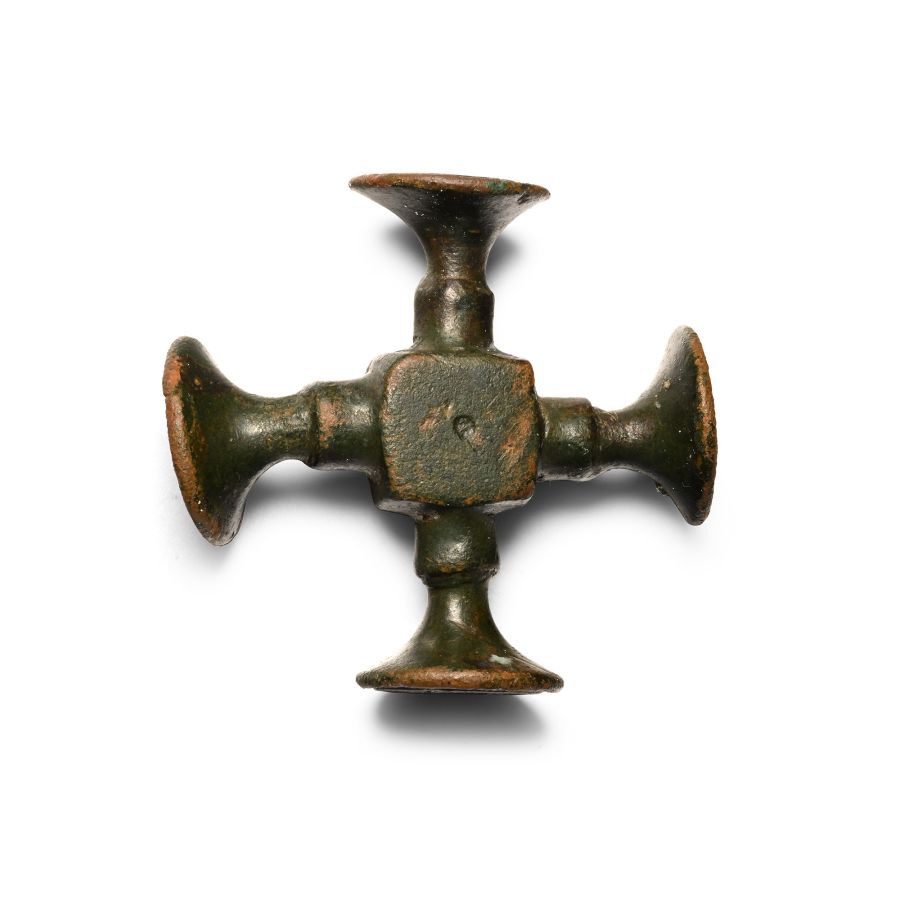
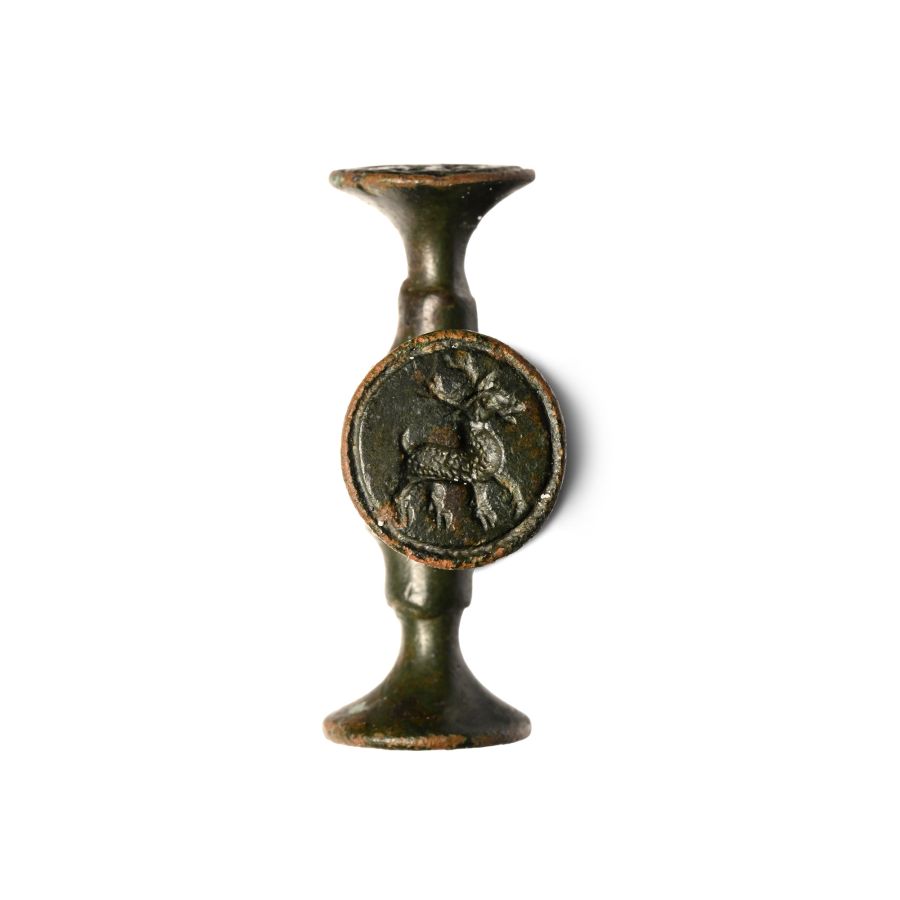
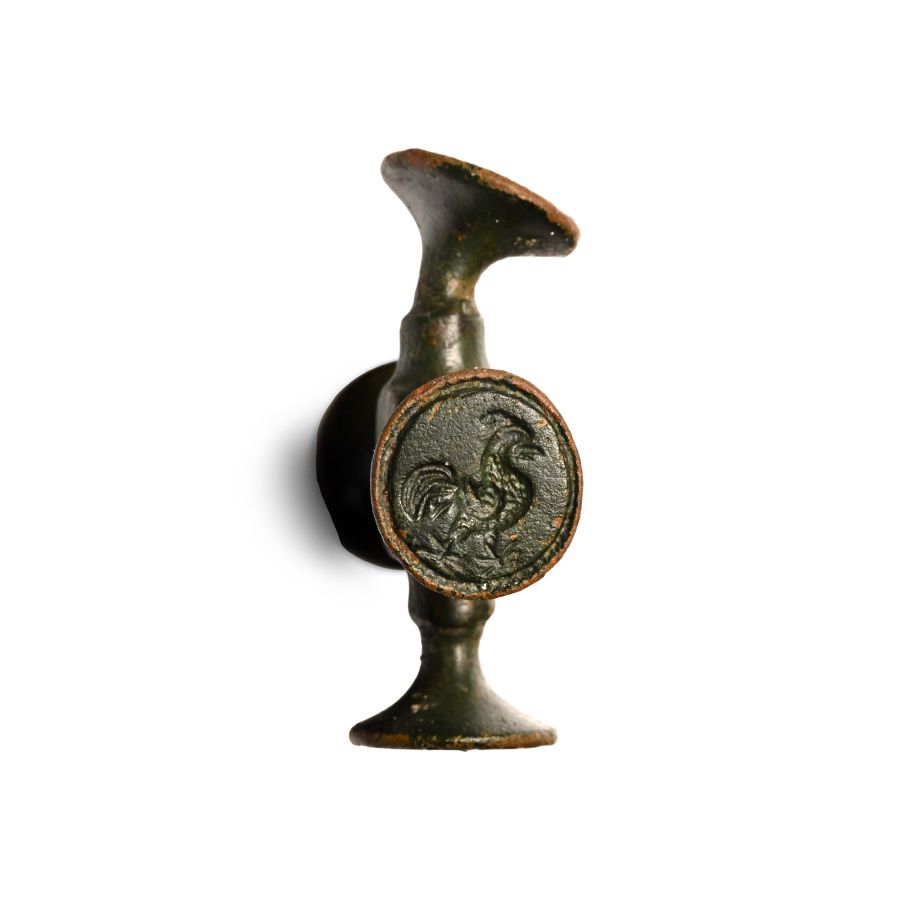
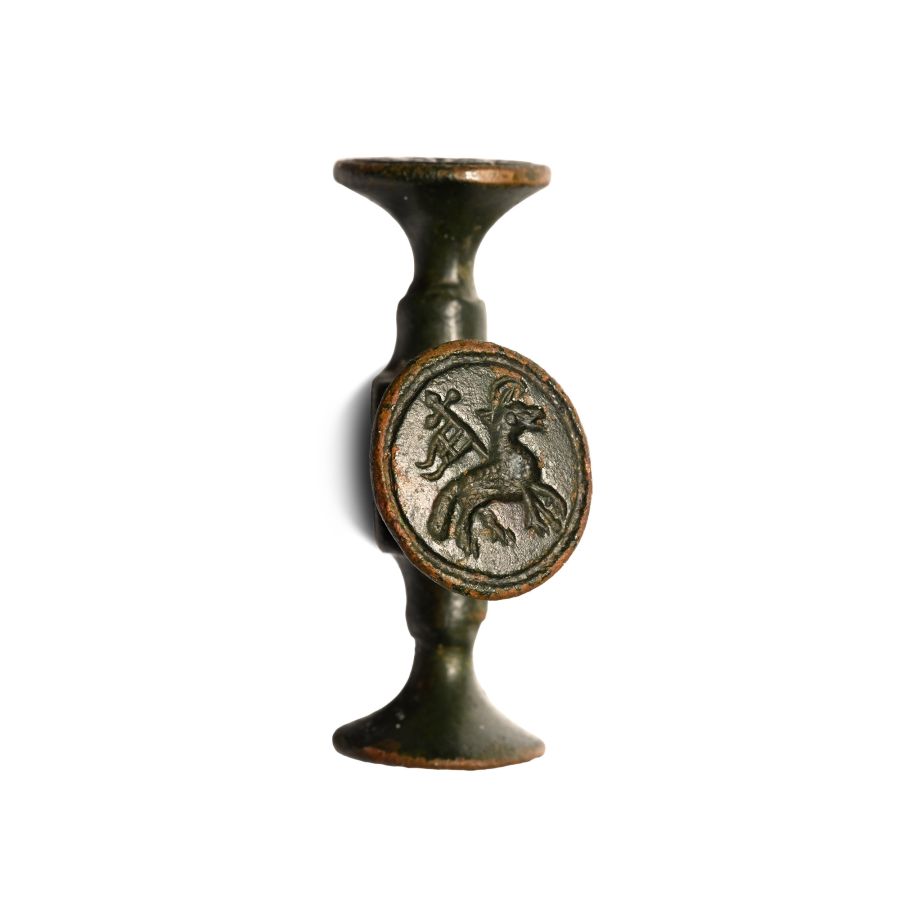
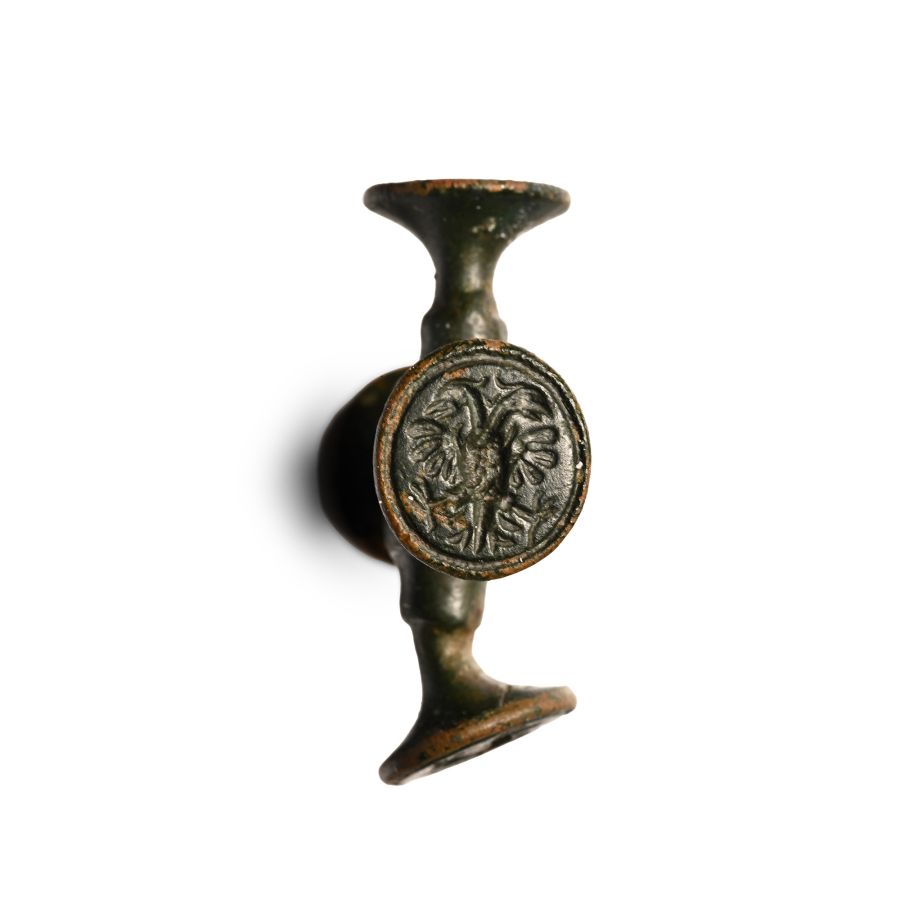
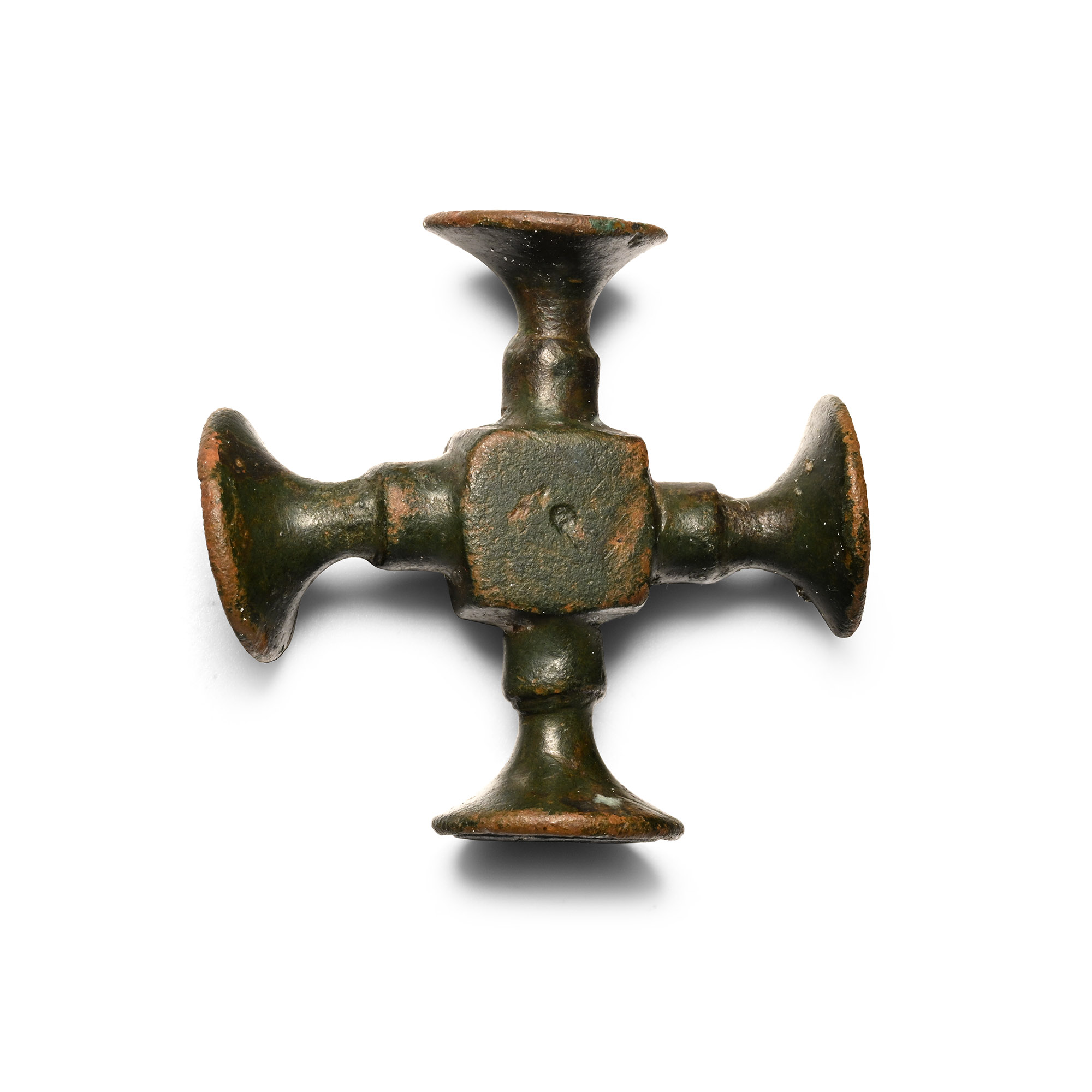
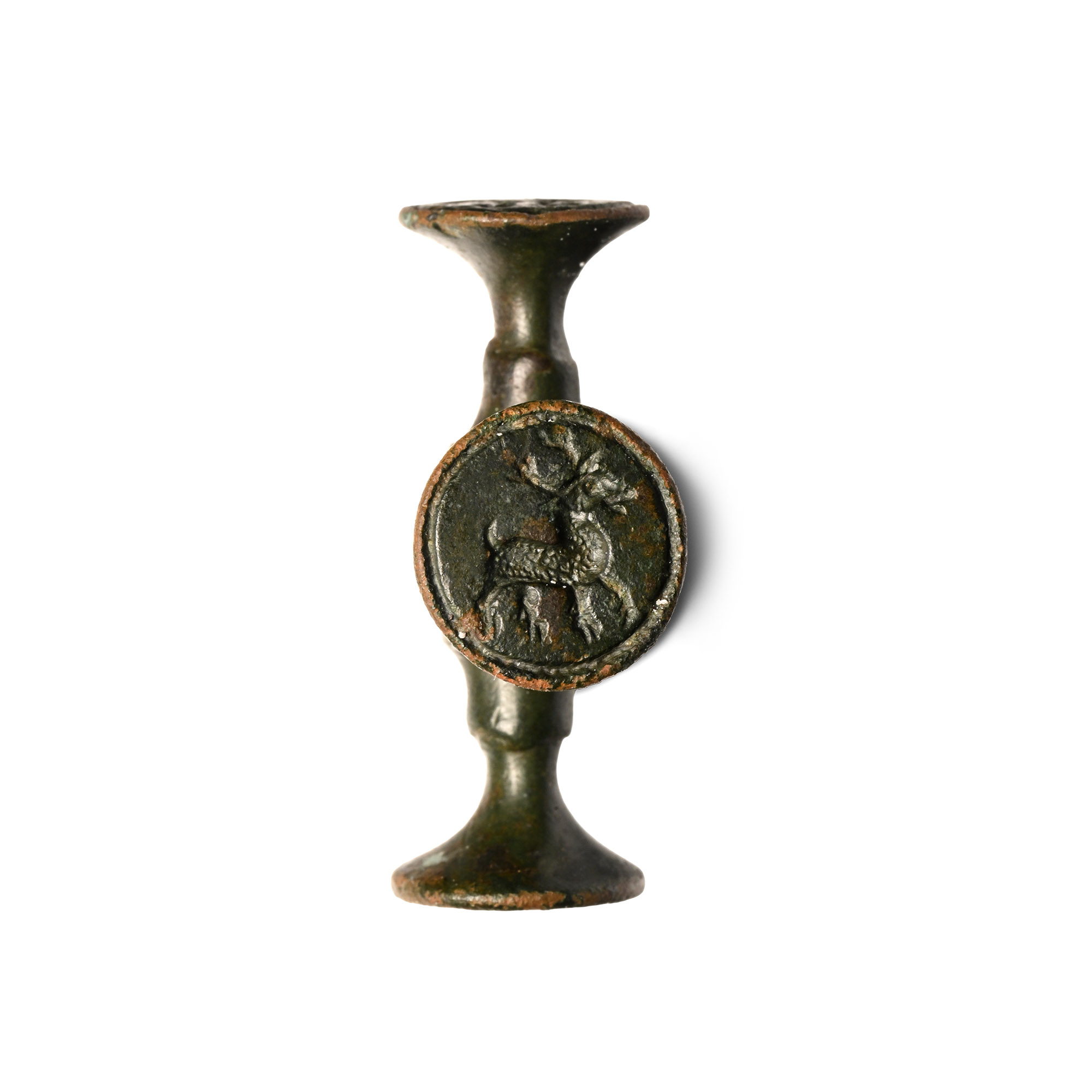
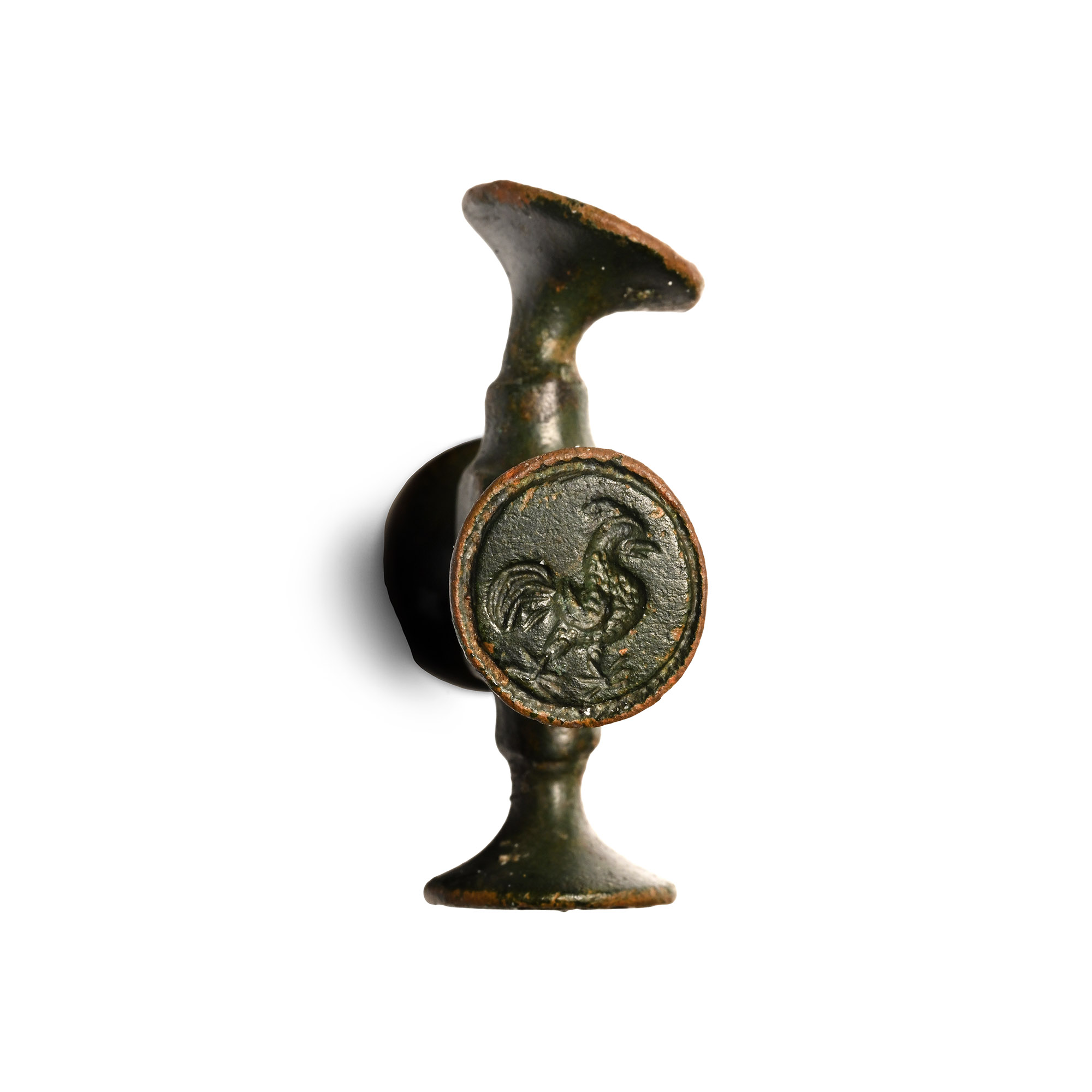
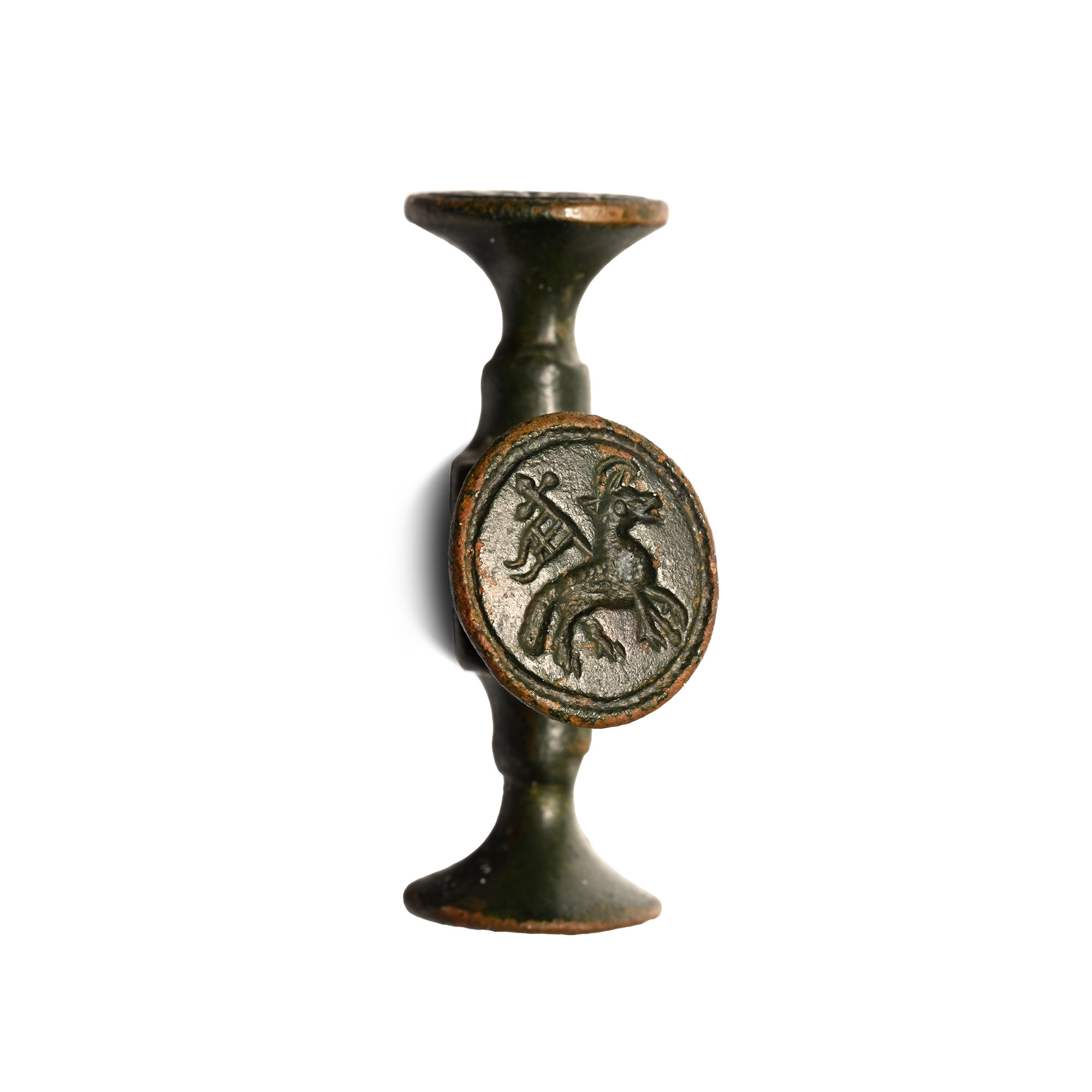
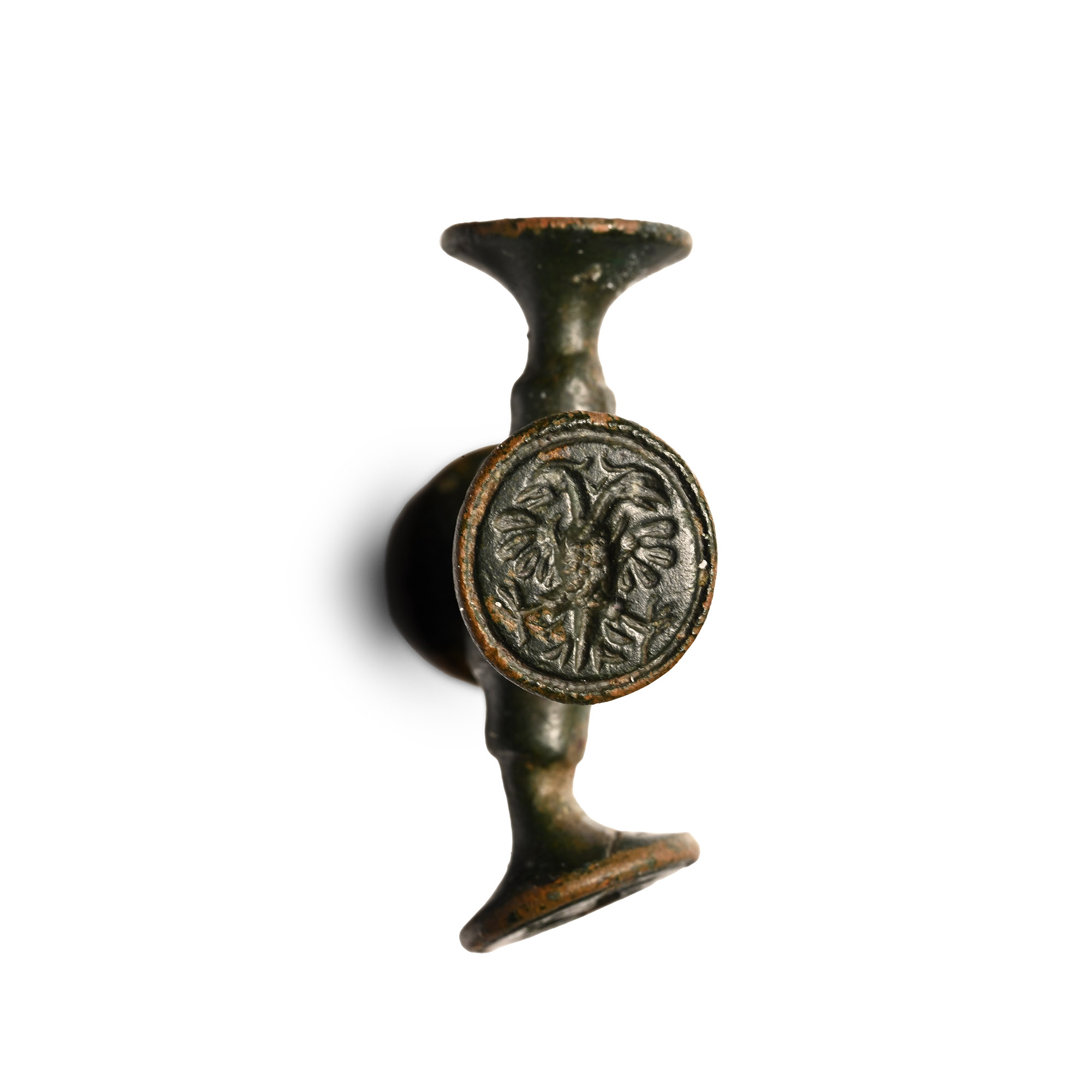
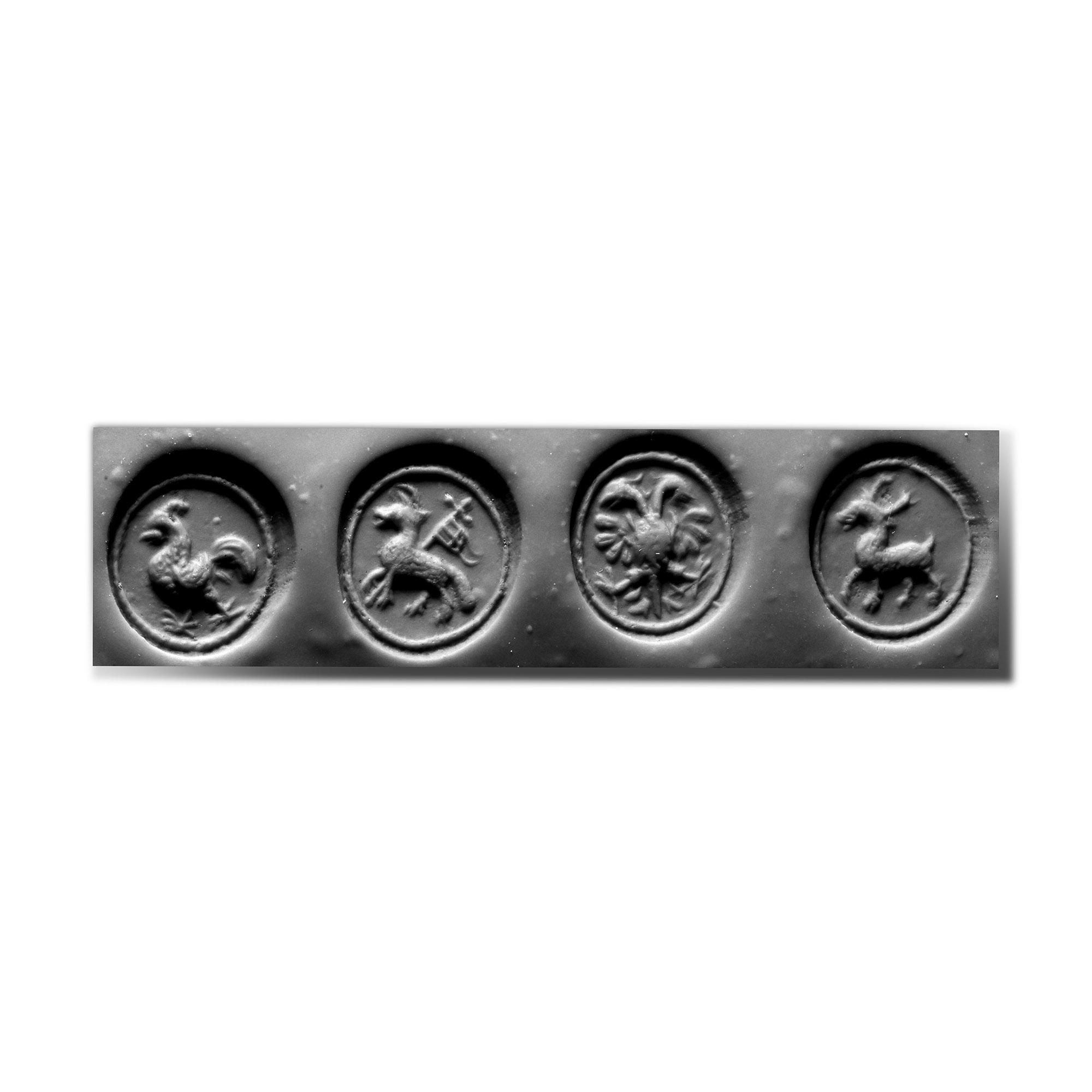
Stuart Period Bronze Four-Way Seal Matrix
CIRCA 17TH CENTURY A.D.
1 1/2 in. (26.2 grams, 39 mm).
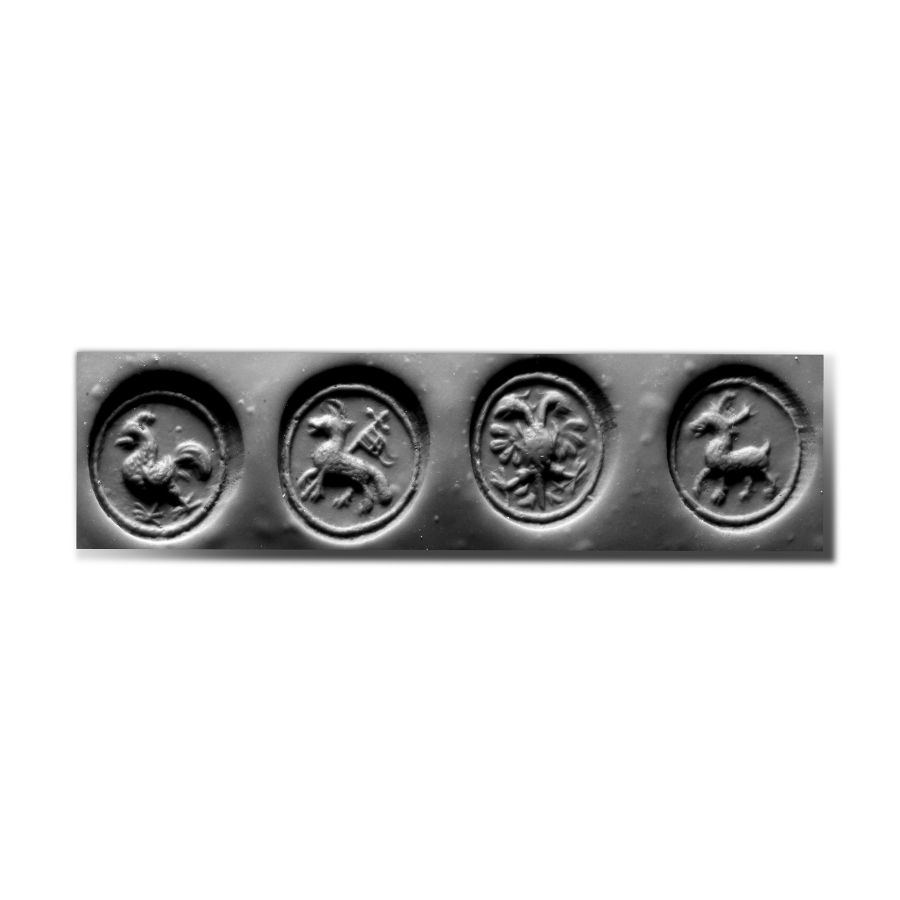
Comprising four trumpet-shaped arms radiating from a central cube, each with a discoid head; motifs comprising: an agnus dei (lamb and flag), a two-headed spread eagle, a stag passant, a cockerel, each in a beaded border.
ProvenanceFound Lincolnshire, UK.
CONDITIONTimeLine Auctions follows a vetting process to ensure the authenticity and legality of all items, reinforcing our commitment to integrity and responsible trading. Each antiquity, antique, and coin lot undergoes thorough examination by a vetting committee of at least ten external specialists, professional trade association members, scientists, and archaeologists: Our Vetting Process
AUCTIONS:
TimeLine is a leading auction house specialising in antiquities, ancient art, collectables, natural history, coins, medals, and books. Our auctions offer museums, collectors, historians, and enthusiasts the opportunity to acquire unique and historically significant pieces.
-
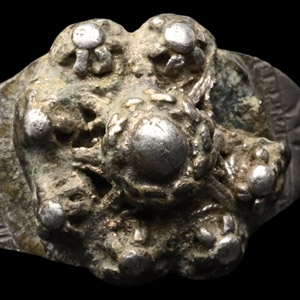
Post Medieval Silver Ring with Rosette
Circa 17th-18th century A.D.Sold for (Inc. bp): £33
Expanding hoop with linear decoration on each side of the bezel, bezel formed of small floral motifs forming a large rosette. 5.44 grams, 25.52 mm overall, 18.69 x 17.53 mm internal diameter (approximate size British O, USA 7, Europe 14.98, Japan 14)
Ex German art market, 2000s. Acquired from an EU collector living in London. From the collection of a Surrey, UK, gentleman. -
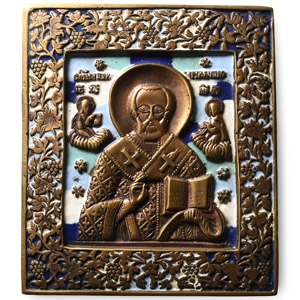
Russian Orthodox Enamelled Bronze Travel Icon with Saint Nicholas
19th century A.D.Estimate: £250 - 350 (+bp*)
Opening Bid: £125
Representing Saint Nicholas of Myra with a book in his left hand and making the gesture of blessing with his right, dressed as a bishop with sticharion, covered by omophorion, and surmounted by an epitrachelion embroidered with crosses; the saint flanked by Jesus and Virgin Mary, Christ holding the gospel, Mary the bishop’s epitrachelion; Cyrillic inscriptions 'Saint Nikolaos the Wonderworker (СВЯТЫЙ НИКОЛА ЧУДОТВОРЕЦ), Iesus Christos (ΙΣ ΧC) and Mother of God (ΜΡ ΘΥ)' on the enamelled background. 348 grams, 10.7 cm
Acquired from Chris Martin-Zakheim, Iconastas, 5 Piccadilly Arcade, London SW1. From the private collection of a West London, UK, gentleman, formed since the early 2000s.
The icon features meticulous craftsmanship typical of Orthodox iconography. The enamel colors, despite the passage of time, retain their vibrant intensity, highlighting the key elements of the depicted images. The refined details and use of enamel give depth and luminosity to the icon, making it a precious example of the Russian Orthodox tradition. -
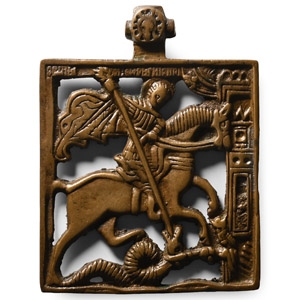
Russian Orthodox Bronze Travel Icon with Saint George
Circa 1700 A.D.Sold for (Inc. bp): £140
Showing Saint George on horseback, dispatching the dragon with a spear thrust; the Saint dressed in a soft cuirass and seated on a high-ended saddle secured by breast, rump, and belly straps; on the right, the walls of Trebisonda and on the bottom right the princess; Old Slavic inscription on the top, reciting Saint George of Cappadocia (Свято́й Гео́ргий Каппадоки́йский); at the top, the Christ Mandylion inscribed inside a cross. 71 grams, 87 mm
Acquired from Chris Martin-Zakheim, Iconastas, 5 Piccadilly Arcade, London SW1. From the private collection of a West London, UK, gentleman, formed since the early 2000s.
According to the Christian tradition, Saint George would have lived between the end of the 3rd century and the beginning of the 4th century: born into a noble Christian family, he became an officer in the Roman army and was then named a prefect by Diocletian. But when the same emperor decided to resume the persecutions, Saint George became a victim despite his important political rank. His role in the development of the faith is so important that he is included among the Great Martyrs of the Eastern Church and his fight against the dragon becomes a symbol par excellence of the fight for good which defeats evil.
