
Loading, please wait...
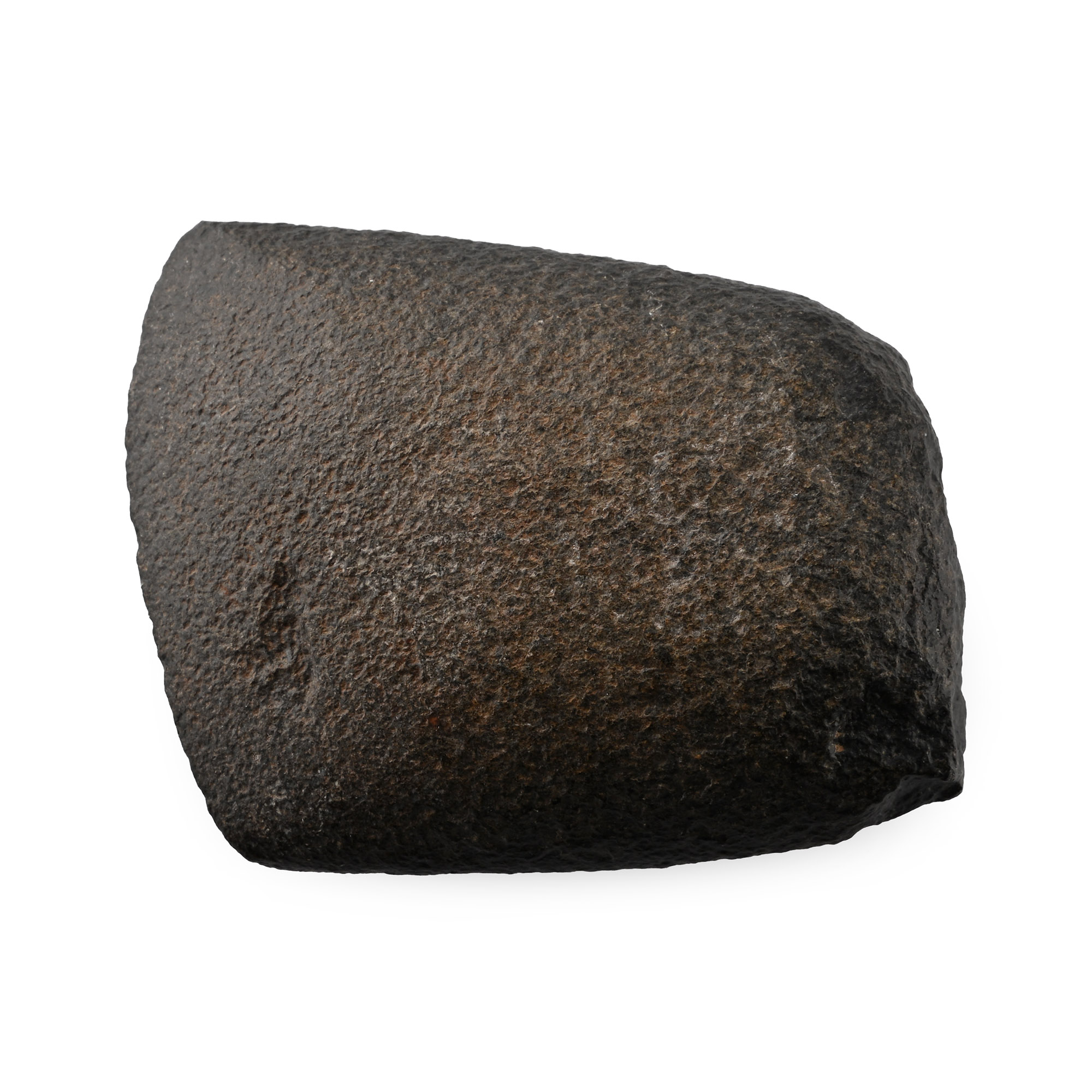
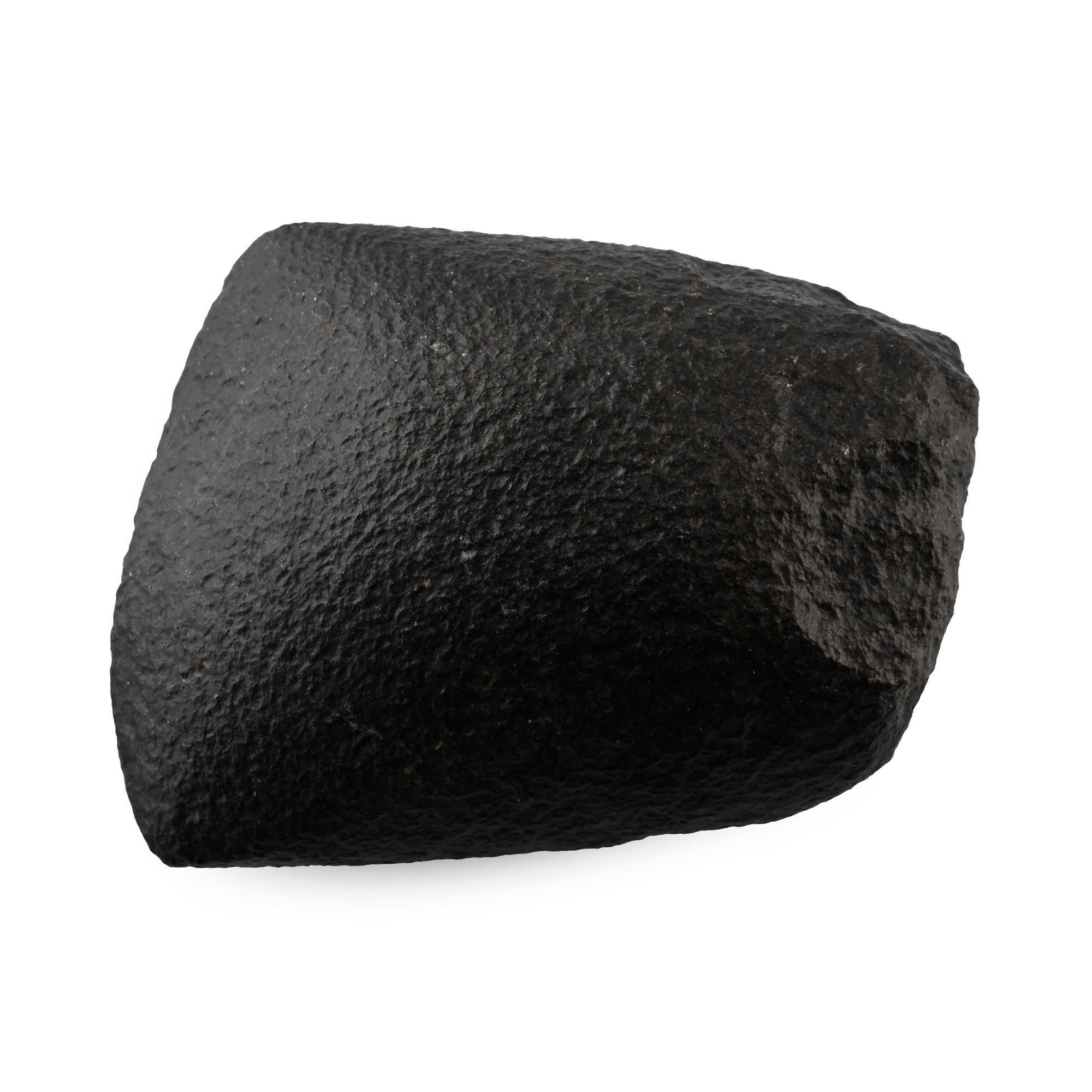
LOT 1567
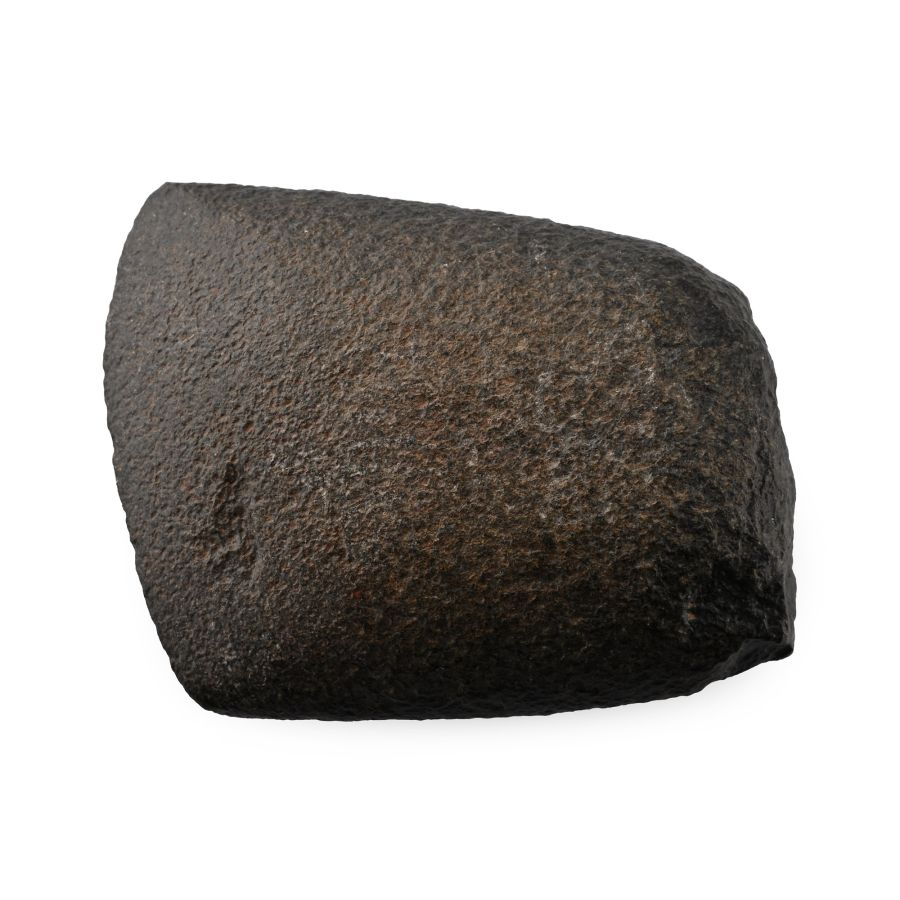
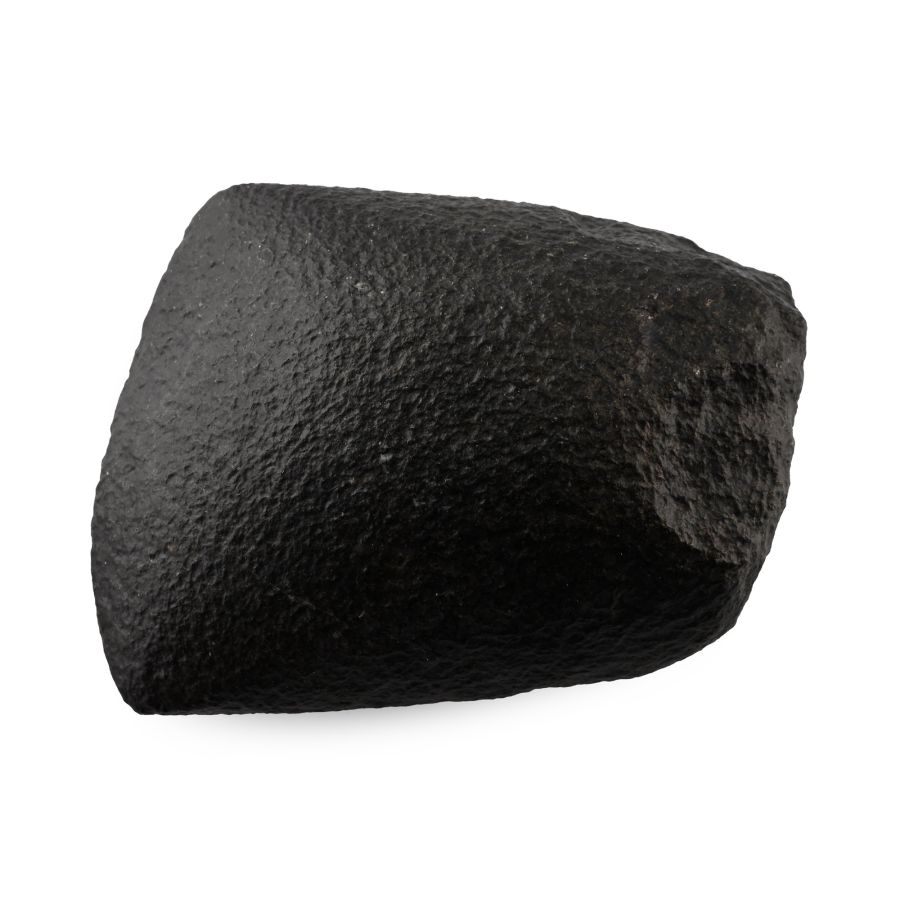
Stone Age Tenerian Pecked Celt Axe
NEOLITHIC PERIOD, CIRCA 9000-7000 B.P.
2 3/4 in. (217 grams, 71 mm).
With round-section broad butt flaring to a curved cutting edge. [No Reserve]
ProvenanceEx French collection formed 1960s-1970s.
From the property of a late Lincolnshire, UK, gentleman.
TimeLine Auctions follows a vetting process to ensure the authenticity and legality of all items, reinforcing our commitment to integrity and responsible trading. Each antiquity, antique, and coin lot undergoes thorough examination by a vetting committee of at least ten external specialists, professional trade association members, scientists, and archaeologists: Our Vetting Process
AUCTIONS:
TimeLine is a leading auction house specialising in antiquities, ancient art, collectables, natural history, coins, medals, and books. Our auctions offer museums, collectors, historians, and enthusiasts the opportunity to acquire unique and historically significant pieces.
-
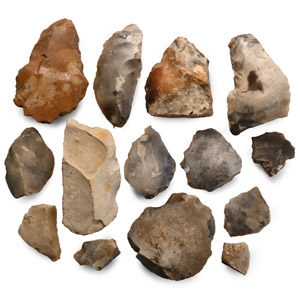
Stone Age Collection of Flint Tools and Implements
Palaeolithic-Neolithic Period, circa 200,000-6,000 B.P.Sold for (Inc. bp): £26
Including scrapers and other tools, and debutage. 250 grams total, 20.6-68 mm
From the collection of a Buckinghamshire, UK, collector established from the earlier 1960s. -
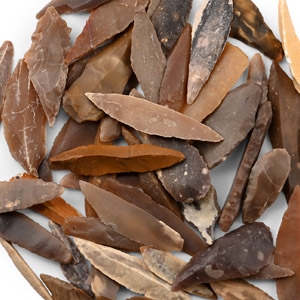
Stone Age Knife Blade and Other Tool Collection
Neolithic Period, 6th-4th millennium B.P.Sold for (Inc. bp): £33
Comprising mostly bifacial and uniface leaf-shaped and piriform flint and chert arrowheads; probably from the Sahara region of North Africa. 181 grams total, 29-71 mm
UK gallery, early 2000s.
Similar specimens of arrowheads have been found in the Eastern Sahara Region of Abu Tartur Plateau. Most of the arrowheads came from the El Jarar Neolithic, c. 7700-7300 B.P. (c.6500-6100 B.C.). Other parallels occur in the region of Kharga Oasis. -
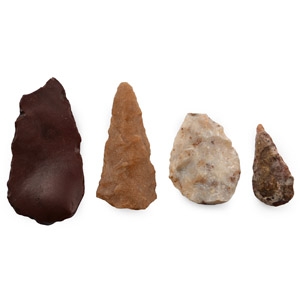
Stone Age Tenerean Knife and Arrowhead Collection
Neolithic Period, 6000-4500 B.P.Sold for (Inc. bp): £46
Mainly triangular in plan with broad square butt. 30 grams total, 31-54 mm
Found in the Sahara between Niger, Algeria and Mali. Ex Arthur Halcrow Versage collection, Reigate, Surrey, UK. From the property of a late Lincolnshire, UK, gentleman.
