
Loading, please wait...
LOT 1508
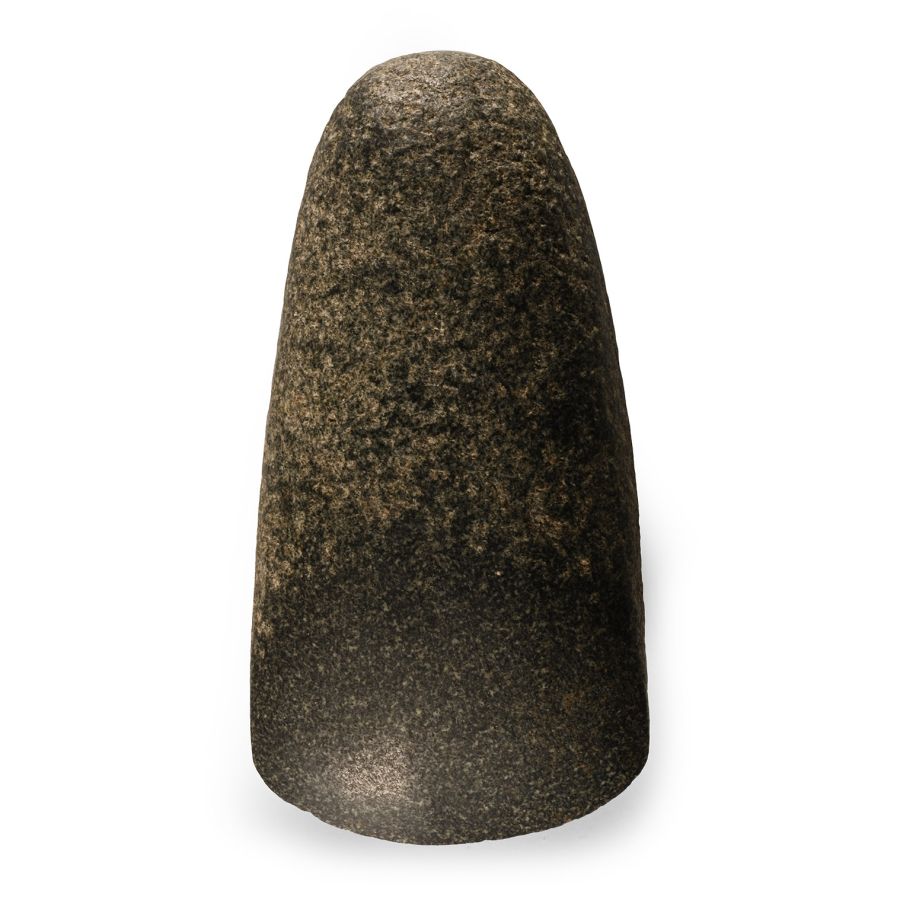
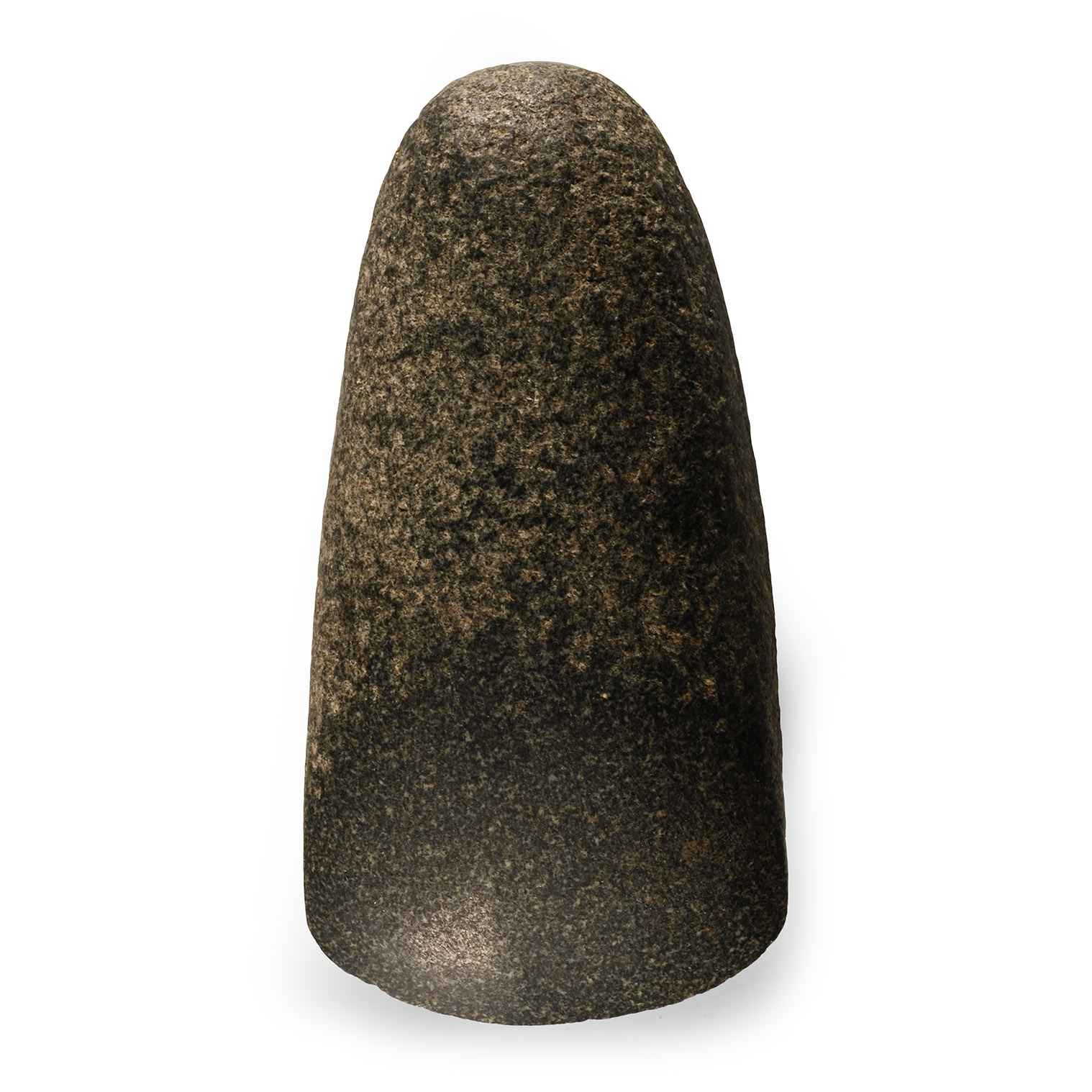
Stone Age Tenerian Culture Axehead
NEOLITHIC PERIOD, CIRCA 7500-5300 B.C.
3 1/2 in. (190 grams, 90 mm).
With rounded butt and slightly curving cutting edge. [No Reserve]
ProvenanceFrom a private French collection formed in the 1960s–1970s.
CONDITIONTimeLine Auctions follows a vetting process to ensure the authenticity and legality of all items, reinforcing our commitment to integrity and responsible trading. Each antiquity, antique, and coin lot undergoes thorough examination by a vetting committee of at least ten external specialists, professional trade association members, scientists, and archaeologists: Our Vetting Process
AUCTIONS:
TimeLine is a leading auction house specialising in antiquities, ancient art, collectables, natural history, coins, medals, and books. Our auctions offer museums, collectors, historians, and enthusiasts the opportunity to acquire unique and historically significant pieces.
-
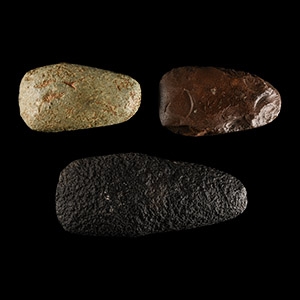
Stone Age Stone Axehead Group
Neolithic Period, circa 6th-4th millennium B.C.Sold for (Inc. bp): £98
Three pecked handaxes each with a rounded butt. 800 grams, 91 - 13.2 mm
From a collection acquired on the UK art market from various auction houses and collections mostly before 2000. From an important Cambridgeshire estate; thence by descent. -

Stone Age Cave Drawing of a Quadruped
Neolithic Period, 3rd-2nd millennium B.C. or laterSold for (Inc. bp): £4,940
Dressed stone panel with incised image of a horned animal in profile; mounted on a custom-made stand. 15.15 kg, 34.5 cm
From a collection acquired on the UK art market from various auction houses and collections mostly before 2000. From an important Cambridgeshire estate; thence by descent. -

Stone Age Flint Scraper and Other Implement Group
Neolithic Period, circa 8th-5th millennium B.C.Sold for (Inc. bp): £65
Comprising nineteen knapped tools and one polished implement. 405 grams total, 3.2-13.4 cm
UK gallery, early 2000s.
In the Neolithic the continuing predominance of flint artefacts did not stop the evolution of the society. The neolithic people were different in radical way from their predecessors. Farming rather than hunting was now the basis of the human existence, creating slowly but inesorably a more sedentary way of life in villages of timber-houses. Consequently the artefacts created by the men of Neolithic were tool instruments, like axes used in felling trees to create fields from the natural woodland, and in shaping timber for construction.
