
Loading, please wait...
LOT 1579
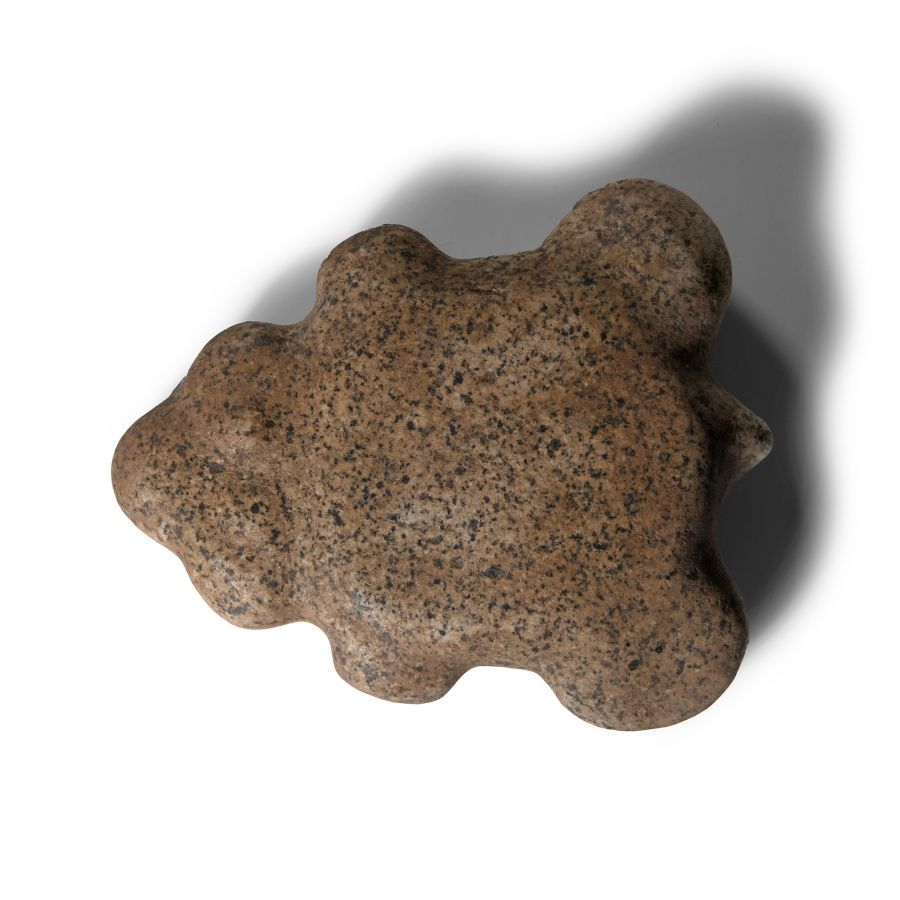
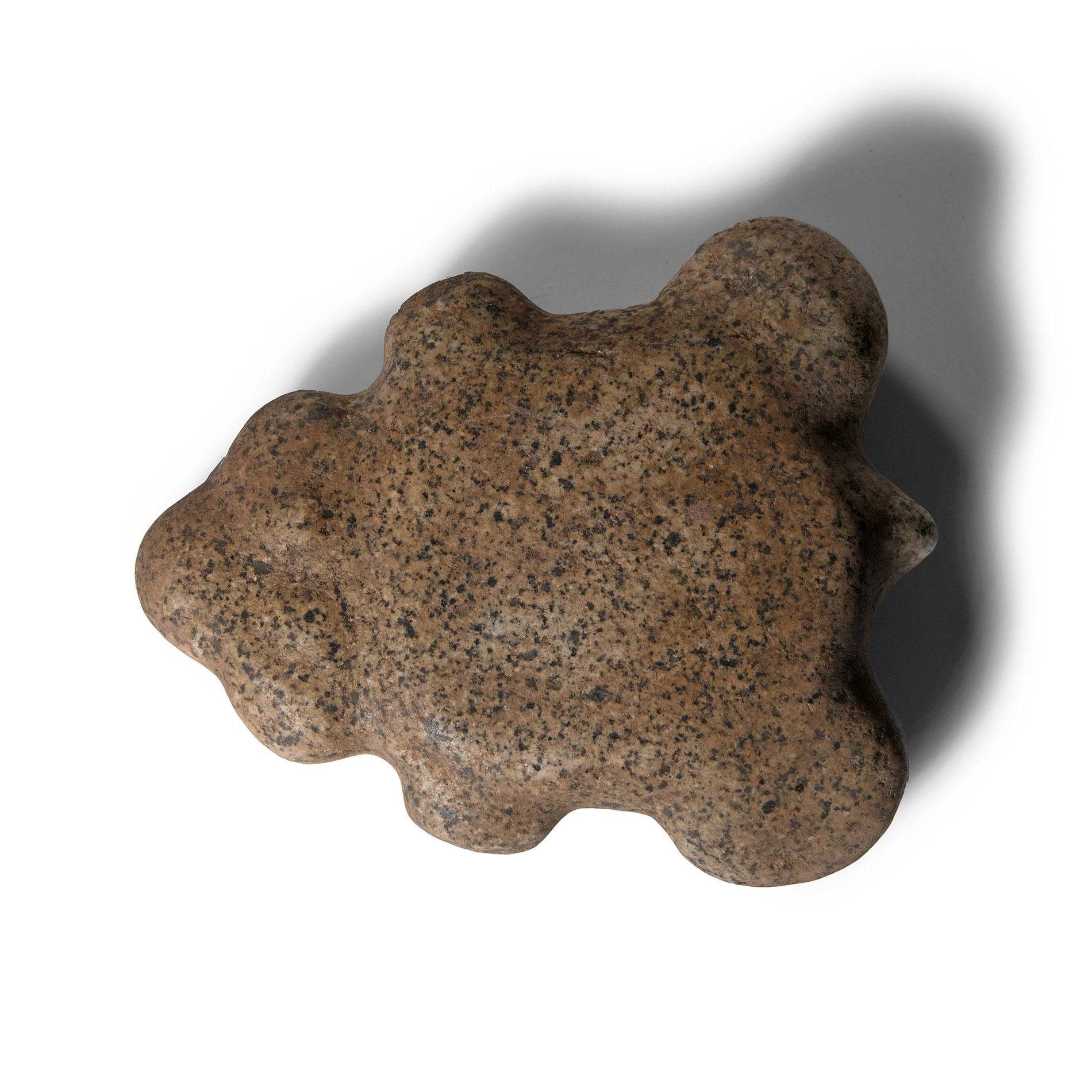
Stone Age Polished Tortoise Idol
NEOLITHIC PERIOD, CIRCA 6TH-4TH MILLENNIUM B.C. OR LATER
5 3/4 in. (756 grams, 14.5 cm).
Plano-convex in section with tapering body and radiating limbs. [No Reserve]
ProvenanceFrom a collection acquired on the UK art market from various auction houses and collections mostly before 2000.
From an important Cambridgeshire estate; thence by descent.
Cf. Various, Idoles, au commencement était l’image – 22 Novembre 1990 – 28 Février 1991, Paris, 1990, fig.11, for a Neolithic sculpture in similar style; Nanoglou, S., Representation of Humans and Animals in Greece and the Balkans during the Earlier Neolithic, Cambridge Archaeological Journal, 18, 2008, pp. 1-13, fig.3, nos.2-7, and fig. 6, for similar; also see the view of Caldwell, Duncan, The Use of Animals in Birth Protection Rituals and Possible Uses of Stone Figurines from the Central Sahel, 2015 winter issue, vol.48, no.4, Nov., pp.14-25.
FootnotesThe sculptures represent farm animals in the Neolithic period. Animal figurines seem to be a recurrent feature in the earlier Neolithic settlements, in the Balkans and in the Levant. It is significant that in the Neolithic Mediterranean, the animals depicted seem to be domesticated, thus suggesting that its reference points were within the confines of the community.
CONDITIONTimeLine Auctions follows a vetting process to ensure the authenticity and legality of all items, reinforcing our commitment to integrity and responsible trading. Each antiquity, antique, and coin lot undergoes thorough examination by a vetting committee of at least ten external specialists, professional trade association members, scientists, and archaeologists: Our Vetting Process
AUCTIONS:
TimeLine is a leading auction house specialising in antiquities, ancient art, collectables, natural history, coins, medals, and books. Our auctions offer museums, collectors, historians, and enthusiasts the opportunity to acquire unique and historically significant pieces.
-
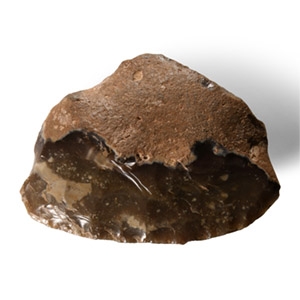
Stone Age Bifacially Knapped Flint Knife
Neolithic Period, circa 6th-4th millennium B.C.Sold for (Inc. bp): £65
Roughly D-shaped with broad cutting cleaver blade, much cortex remaining to both faces. 523 grams, 13cm
From a collection acquired on the UK art market from various auction houses and collections mostly before 2000. From an important Cambridgeshire estate; thence by descent. -
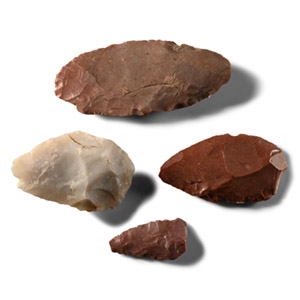
Stone Age Knapped Flint Handaxe Group
Lower Palaeolithic Period, 480,000-250,000 B.C.Sold for (Inc. bp): £72
Comprising three flakes: a small triangular arrowhead, a lanceolate blade and a piriform blade; small worked piriform handaxe with indistinct inked inscription to the base 'Langdon's C[...]' (perhaps Langdon's Cliff, Dover, Kent). 210 grams total, 4.8-11 cm
From the collection of François Bigot (1950-2009). with Auction Art Rémy Le Fur & Associés, 28th September 2021. -
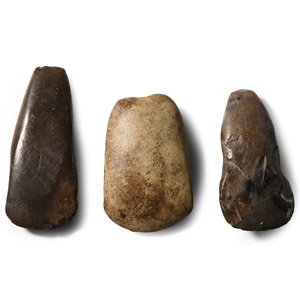
Stone Age 'York' Polished Axehead Group
Neolithic Period, circa 4th-3rd millennium B.C.Sold for (Inc. bp): £104
Comprising one trapezoidal in profile with square butt, one similar with waisted profile and narrow butt, one squat with broad butt; one with faint inked inscription: 'KINGSTON / YORK'. 441 grams total, 85-101 mm
One found Kingston, York, UK. From a collection acquired on the UK art market from various auction houses and collections mostly before 2000. From an important Cambridgeshire estate; thence by descent.
