
Loading, please wait...
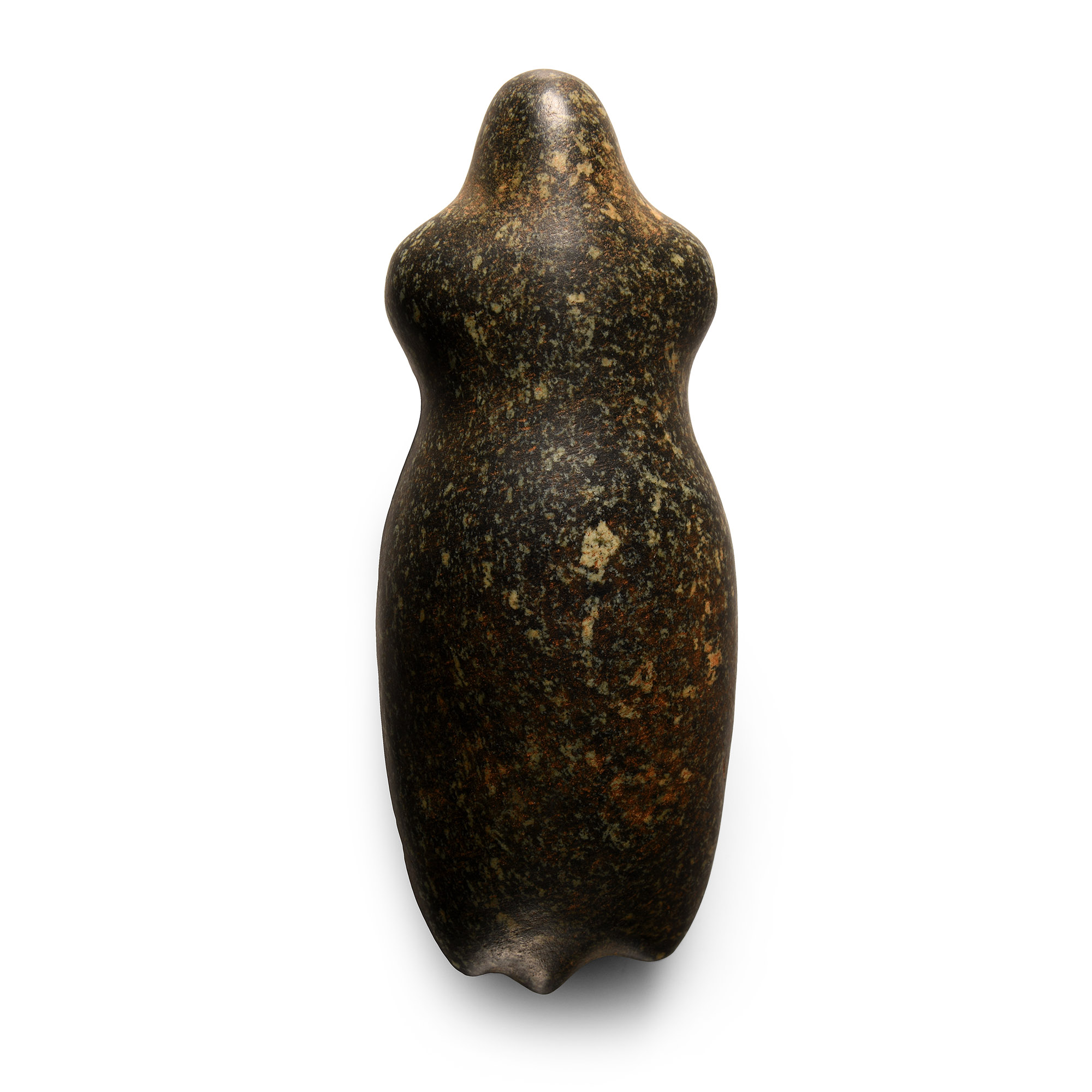
LOT 0293
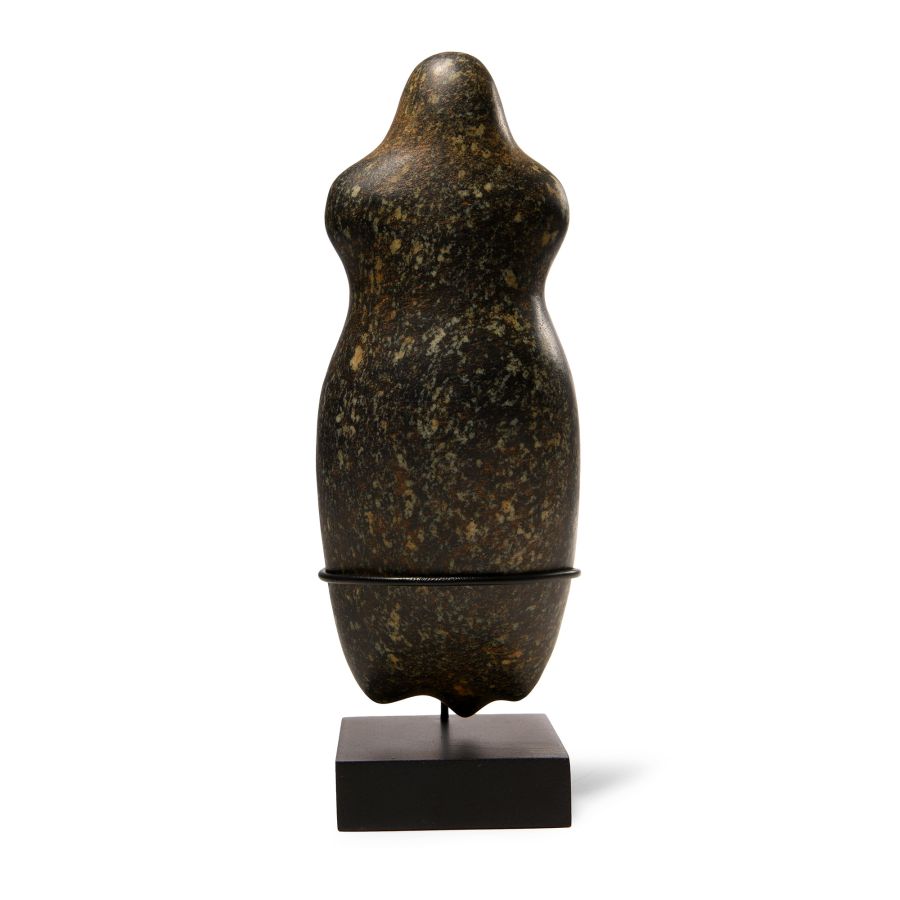
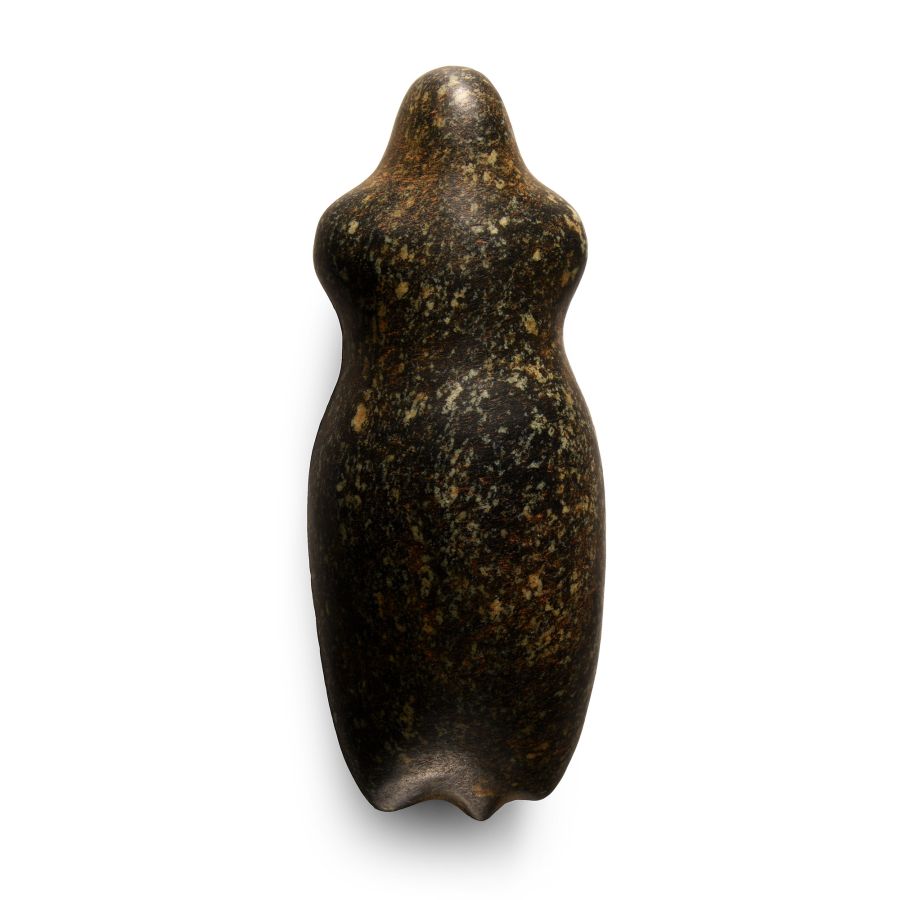
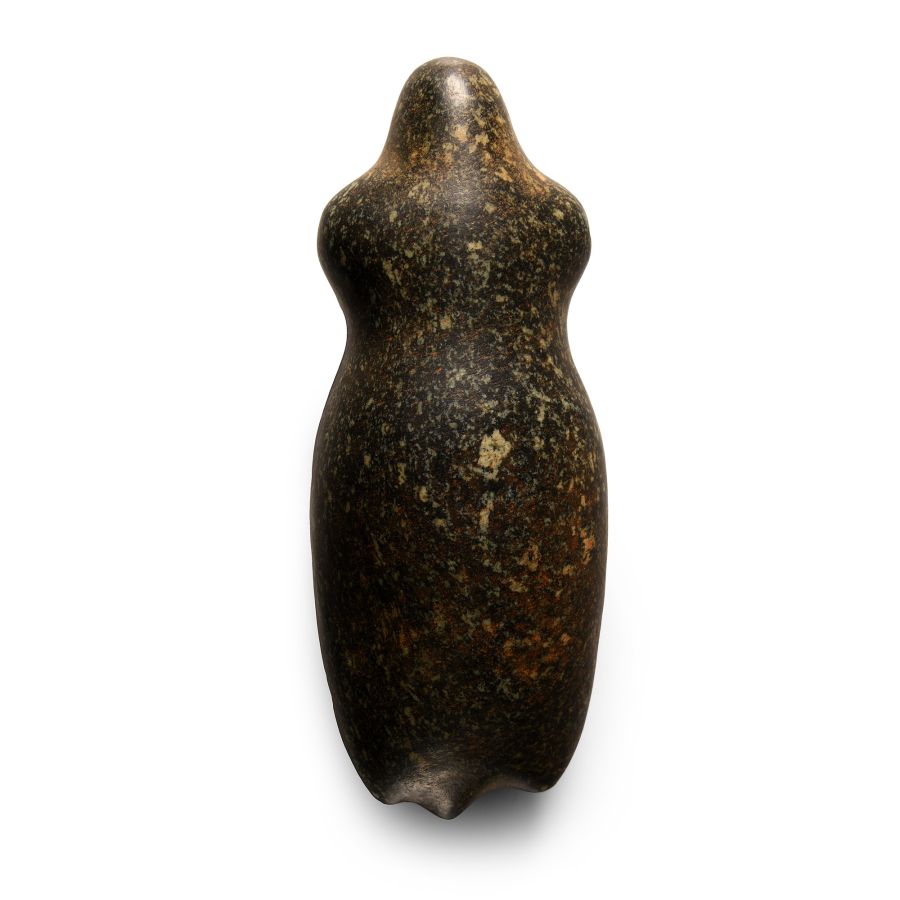
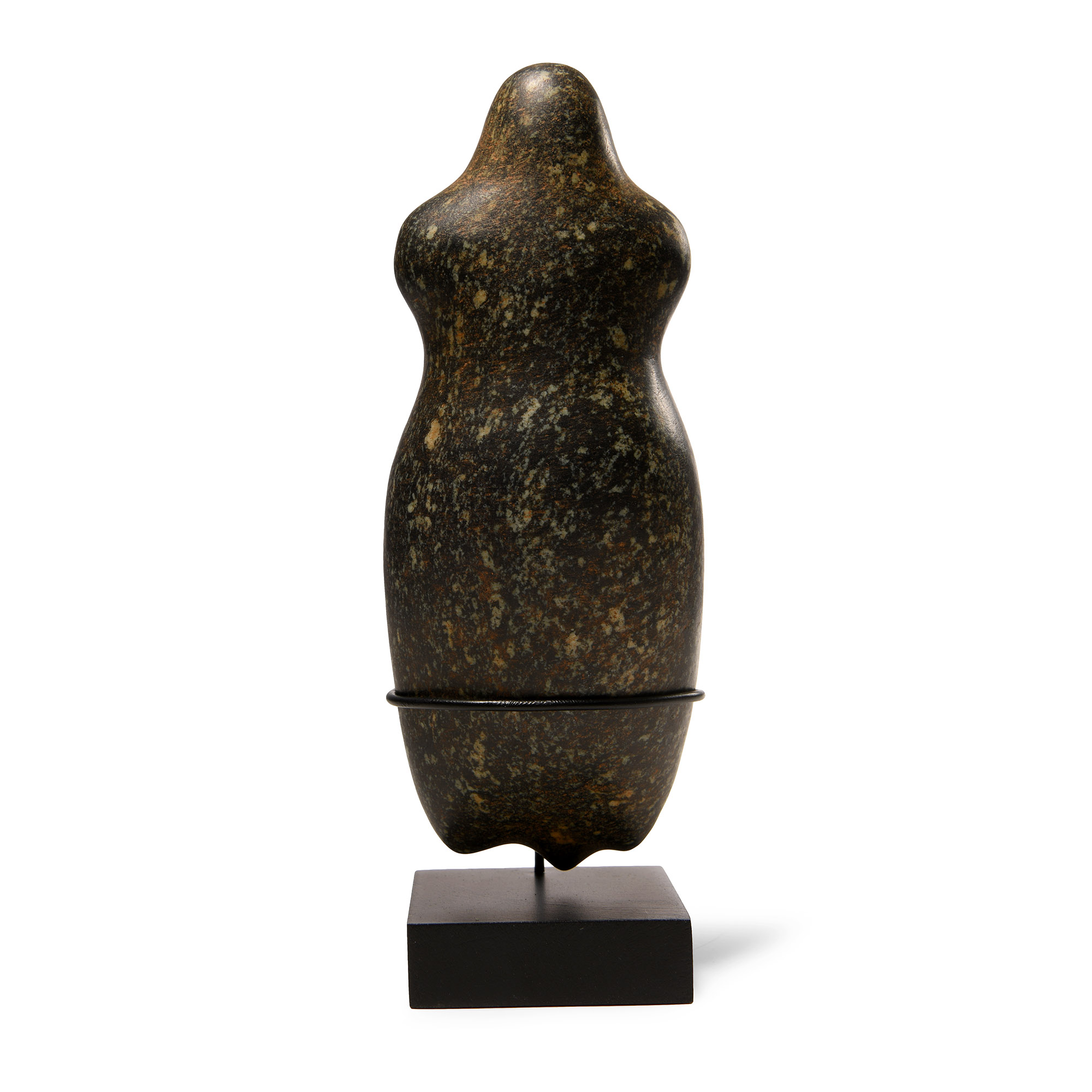
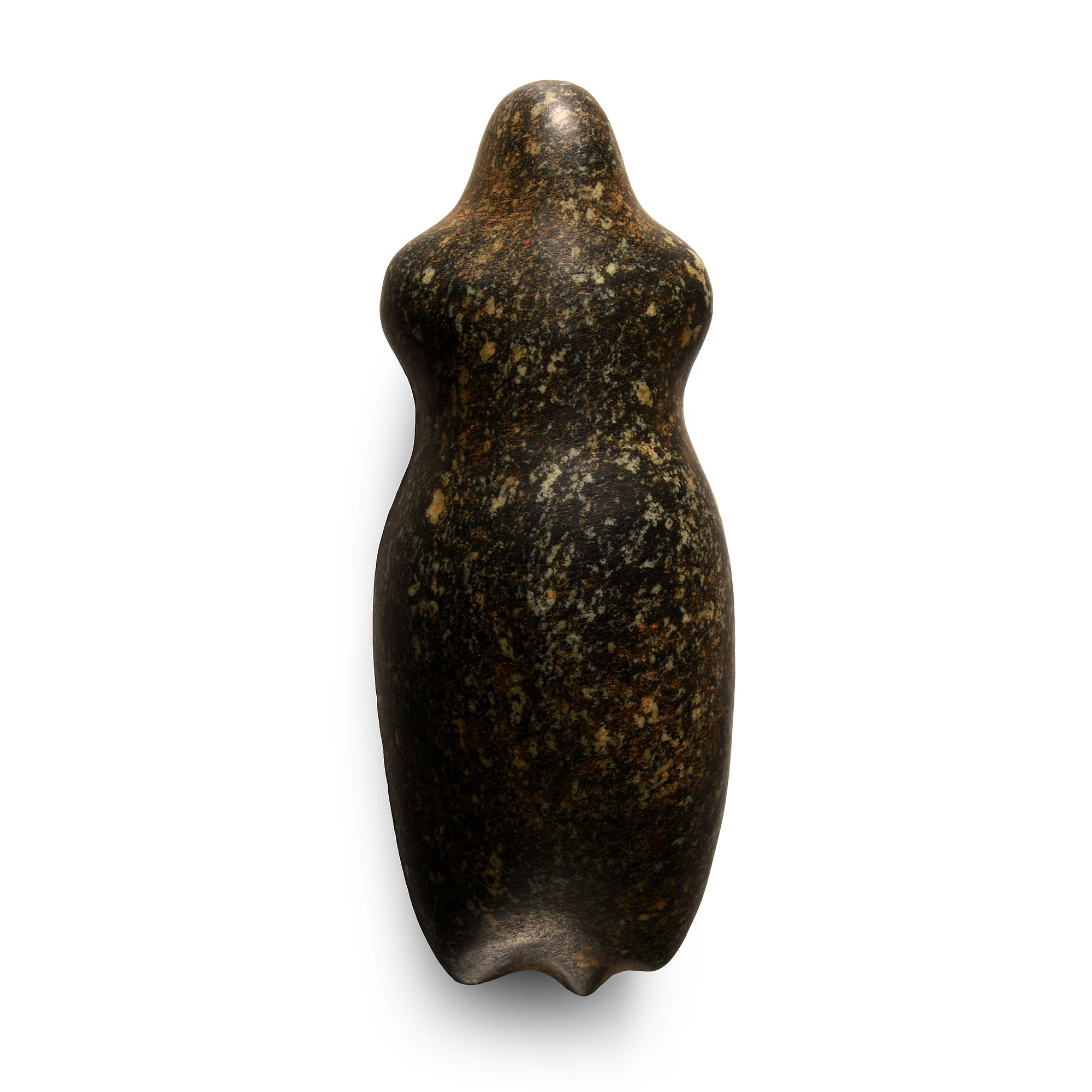
Stone Age Polished Goddess Idol
NEOLITHIC PERIOD, CIRCA 6TH-4TH MILLENNIUM B.C.
5 7/8 in. (6 1/2 in.) (635 grams, 15 cm (686 grams total, 16.5 cm including stand)).
With rounded profile, stub arms and head without facial detailing, vestigial legs; accompanied by a custom-made display stand. [No Reserve]
ProvenanceFrom a collection acquired on the UK art market from various auction houses and collections mostly before 2000.
From an important Cambridgeshire estate; thence by descent.
Accompanied by an academic report by Dr Raffaele D'Amato.
This lot has been checked against the Interpol Database of stolen works of art and is accompanied by a search certificate number no.12087-217184.
Cf. Morris, D., The Art of Ancient Cyprus, Oxford, 1985, figs.114-115, pp.120-121; for similar idols; also see the view of Caldwell, Duncan, The Use of Animals in Birth Protection Rituals and Possible Uses of Stone Figurines from the Central Sahel, 2015 winter issue, vol.48, no.4, Nov., pp.14-25.
FootnotesMost scholars consider these as symbols of the cult of fertility and evidence of the existence of a matriarchal society as a form of organisation of the earliest human society. The people of the Stone Age may have considered figures such as this to represent women and mothers with their life-giving powers, or as depictions of the ancestors.
CONDITIONTimeLine Auctions follows a vetting process to ensure the authenticity and legality of all items, reinforcing our commitment to integrity and responsible trading. Each antiquity, antique, and coin lot undergoes thorough examination by a vetting committee of at least ten external specialists, professional trade association members, scientists, and archaeologists: Our Vetting Process
AUCTIONS:
TimeLine is a leading auction house specialising in antiquities, ancient art, collectables, natural history, coins, medals, and books. Our auctions offer museums, collectors, historians, and enthusiasts the opportunity to acquire unique and historically significant pieces.
-
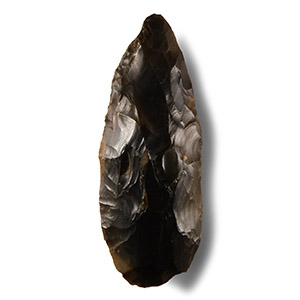
Stone Age Knapped Flint Hand Axe
Neolithic Period, circa 7th-5th millennium B.C.Sold for (Inc. bp): £143
Lentoid in section and ovoid in plan with some chipping to the rounded butt. 266 grams, 14.5 cm
From a collection acquired on the UK art market from various auction houses and collections mostly before 2000. From an important Cambridgeshire estate; thence by descent. -
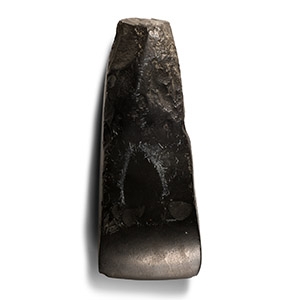
Stone Age 'Papua' Axe Head
Neolithic Period, 4000-3000 years B.P. or laterSold for (Inc. bp): £98
Substantial and rectangular in section with tapering butt, polished asymmetrical blade. 769 grams, 17 cm
From a 19th-early 20th century collection. Acquired on the UK art market. From the collection of a Norfolk, UK, lady collector. -
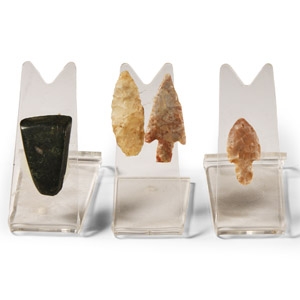
Stone Age Arrowhead and Tool Collection
Neolithic Period, circa 5th-3rd millennium B.C.Sold for (Inc. bp): £26
Including barbed-and-tanged arrowheads, chisel and oblate blade; all mounted on perspex display frames. 53.6 grams total including stand, 25-34 mm
From a collection acquired on the UK art market from various auction houses and collections mostly before 2000. From an important Cambridgeshire estate; thence by descent.
