
Loading, please wait...
LOT 1476
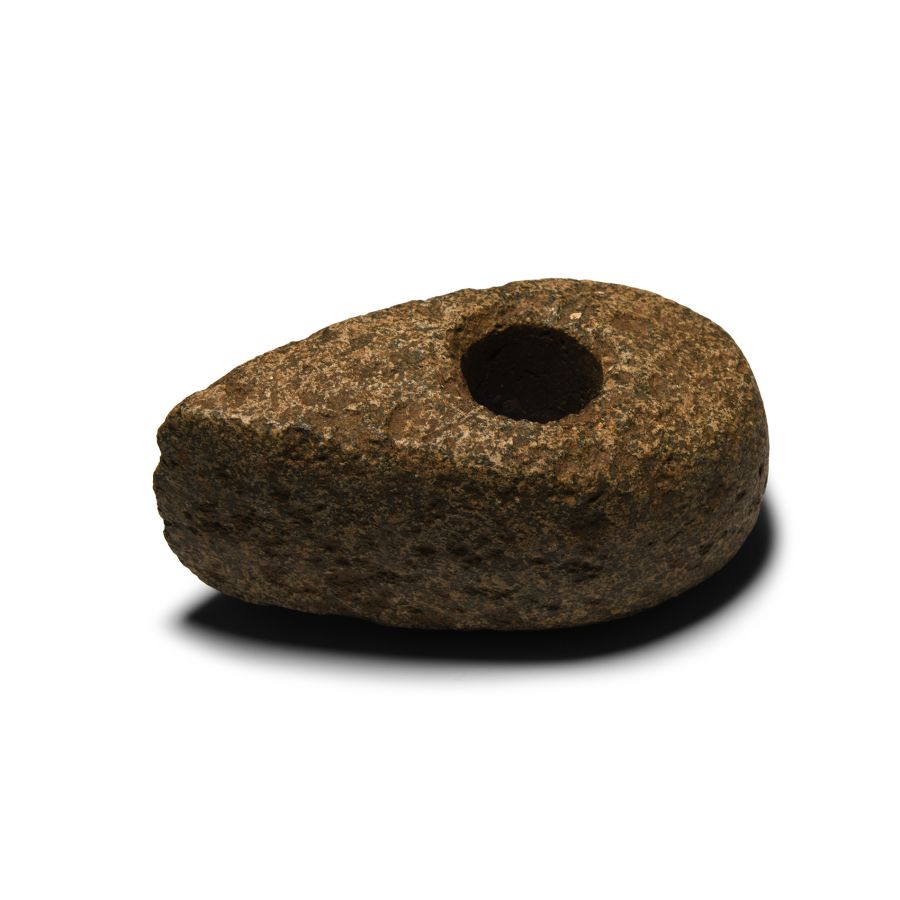
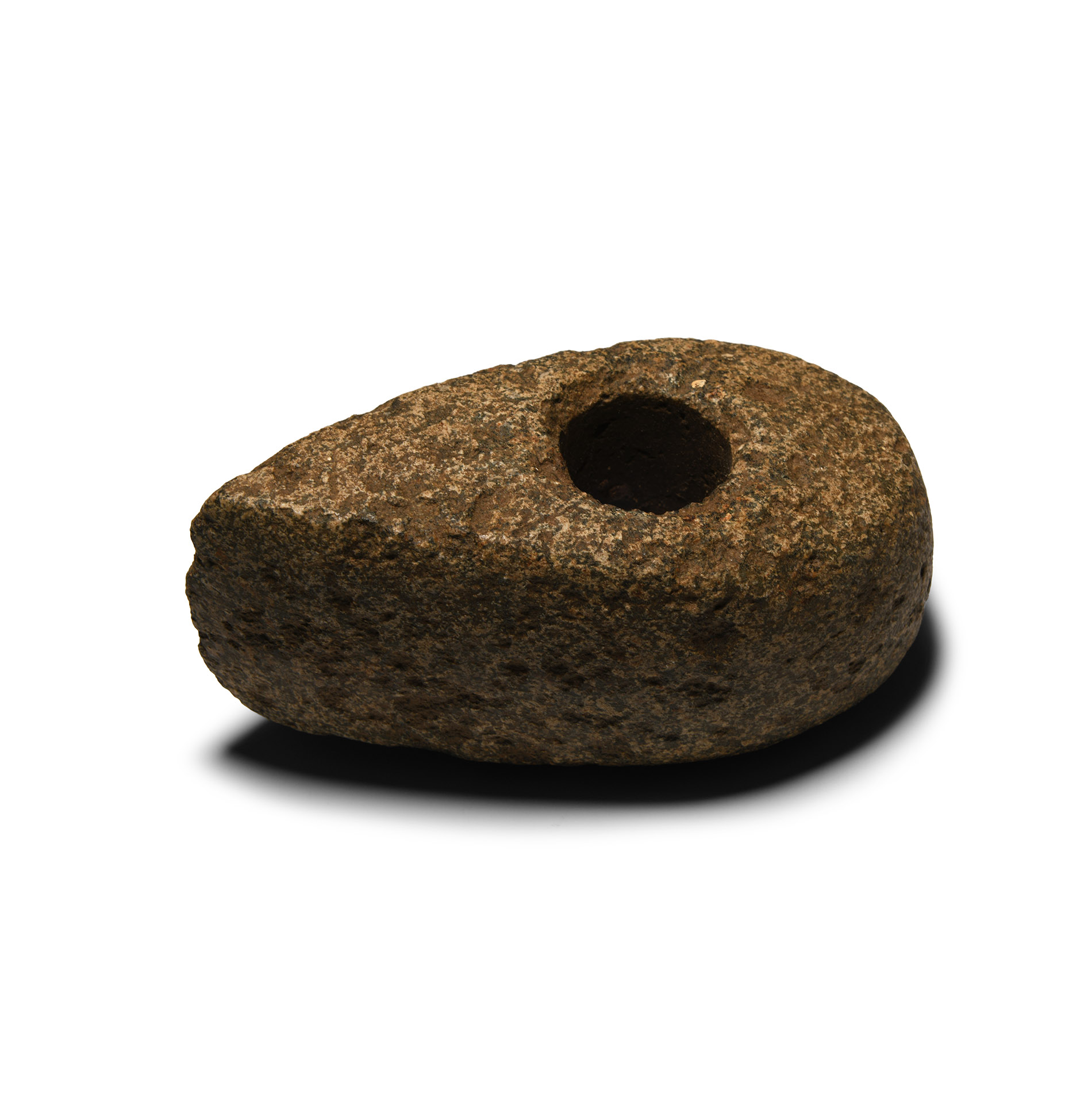
Stone Age Pierced Boat-Shaped Axehead
NEOLITHIC PERIOD, CIRCA 4TH-3RD MILLENNIUM B.C.
5 in. (775 grams, 12.8 cm).
With rounded butt and convex convergent sides, straight vertical cutting edge and central mounting socket. [No Reserve]
ProvenanceFrom a collection acquired on the UK art market from various auction houses and collections mostly before 2000.
From an important Cambridgeshire estate; thence by descent.
Cf. MacGregor, A. (ed.), Antiquities from Europe and the Near East in the Collection of Lord MacAlpine of West Green, Oxford, 1987, item 6.19.
CONDITIONTimeLine Auctions follows a vetting process to ensure the authenticity and legality of all items, reinforcing our commitment to integrity and responsible trading. Each antiquity, antique, and coin lot undergoes thorough examination by a vetting committee of at least ten external specialists, professional trade association members, scientists, and archaeologists: Our Vetting Process
AUCTIONS:
TimeLine is a leading auction house specialising in antiquities, ancient art, collectables, natural history, coins, medals, and books. Our auctions offer museums, collectors, historians, and enthusiasts the opportunity to acquire unique and historically significant pieces.
-
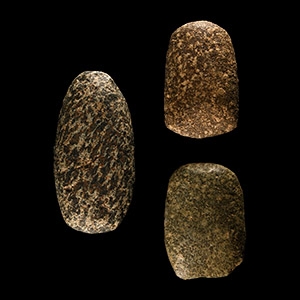
Stone Age Speckled Stone Axehead Group
Neolithic Period, circa 6th-4th millennium B.C.Sold for (Inc. bp): £130
Group of three axeheads each with a thick, rounded butt; two with narrow worked edge and one with rounded edge. 644 grams total, 71-100 mm
Ex Ian Richardson collection, Sunderland, UK. From a collection acquired on the UK art market from various auction houses and collections mostly before 2000. From an important Cambridgeshire estate; thence by descent. -
.jpg)
Attractive Stone Age 'Dordogne' Orange-Brown Chalcedony Bifacially Worked Handaxe
Middle Palaeolithic Period, circa 240,000- 38,000 B.P.Sold for (Inc. bp): £416
Ovate cleaver with small portion of cortex to the butt. 332 grams, 12 cm
Found Dordogne, France. From an old French collection. Ex Norfolk private collection. From the collection of a South West London, UK, collector. -
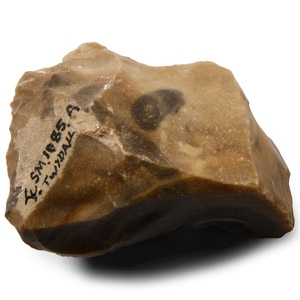
Stone Age Twydall Knapped Flint Scraper Tool
Lower Palaeolithic Period, circa 400,000 B.P.Sold for (Inc. bp): £59
Triangular-section scraper with old inked inscription '4.SM.1085A / TWYDALL'. 98 grams, 67 mm
Found Twydall, Kent, UK. Richard Jones collection, Welling, Kent, UK, 1912-1915. Ex Rochester Museum, Kent collections. Specialist collection of J Edwin Jarvis. Ex Martin Schoyen collection, London, UK. Accompanied by a copy of an article on the site at Twydall.
