
Loading, please wait...
LOT 1569
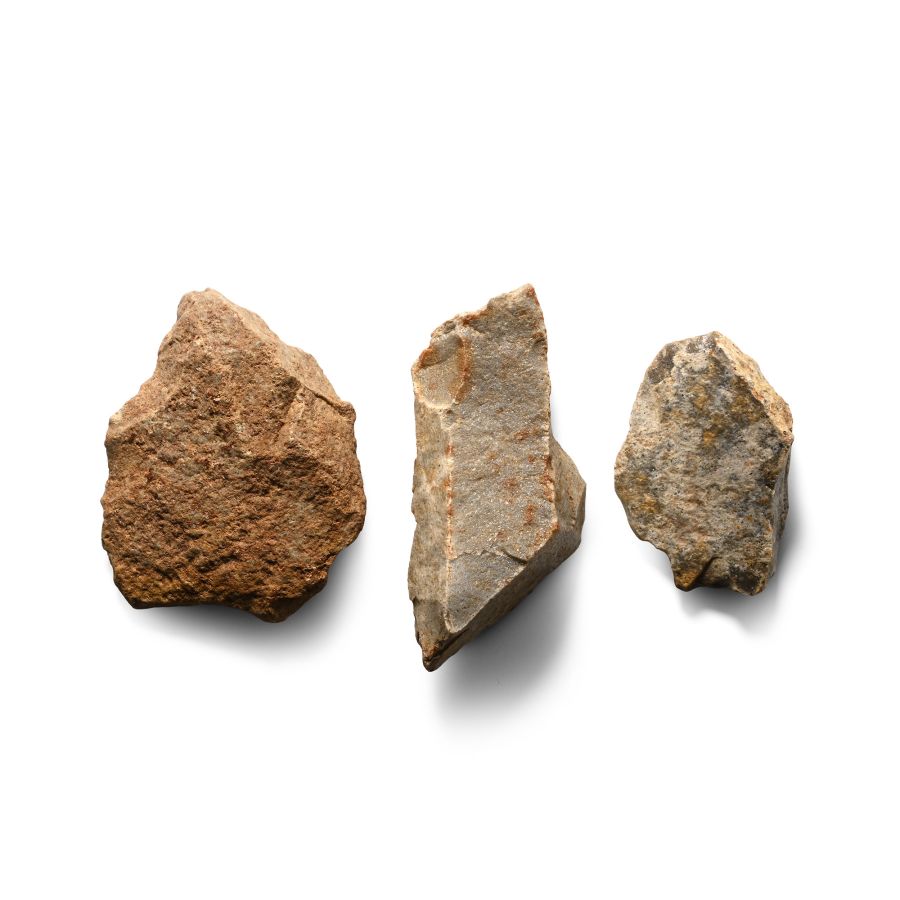
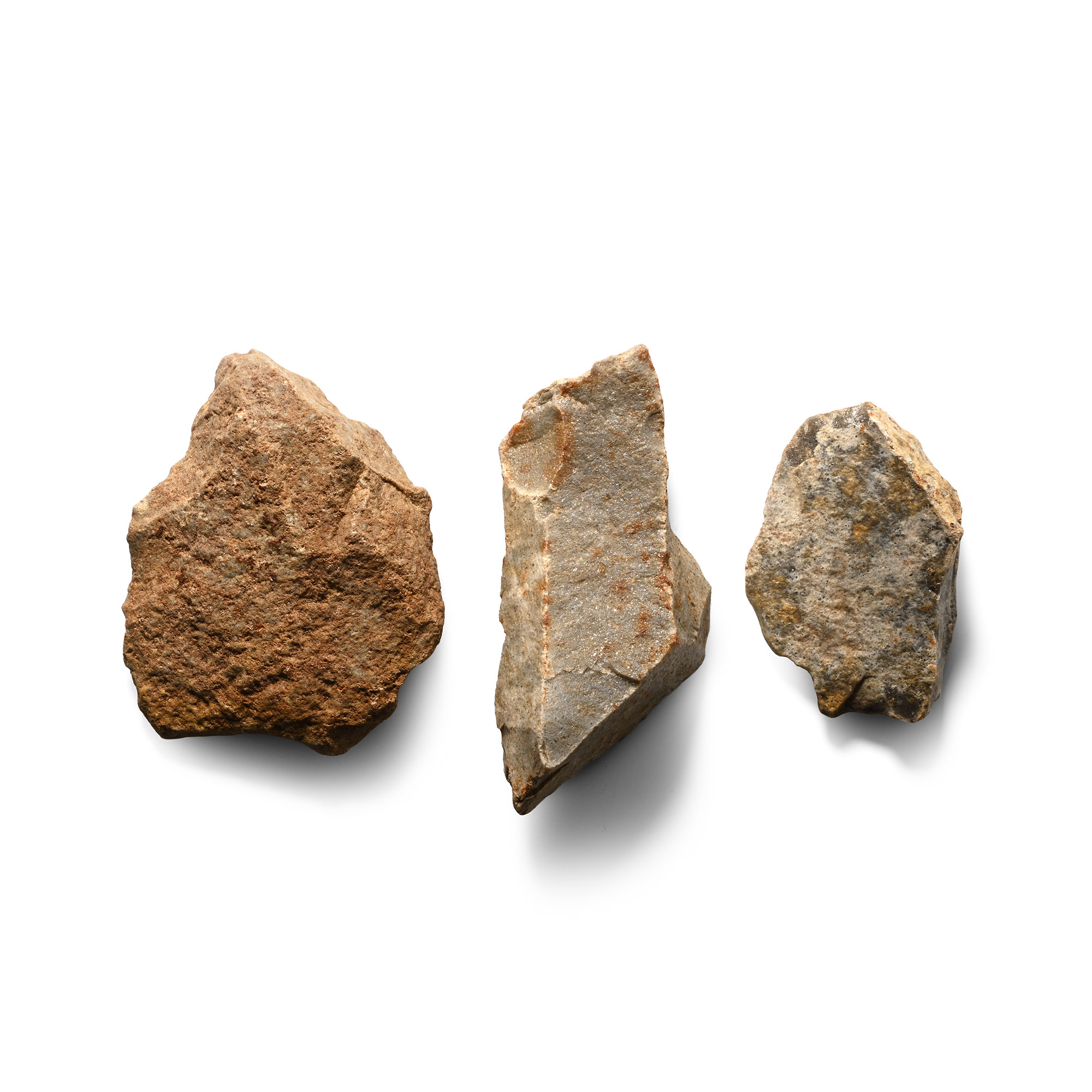
Stone Age Neanderthal Knapped Quartzite Scraper Group
MOUSTERIAN PERIOD, CIRCA 80,000-40,000 B.P.
2 1/2 - 3 3/8 in. (232 grams total, 62-87 mm).
Irregular scraper group, each with a knapped cutting edge. [3, No Reserve]
ProvenanceFound Bois du Rocher, St. Helen, Dinan, France.
From an old French collection.
From the property of a late Lincolnshire, UK, gentleman.
TimeLine Auctions follows a vetting process to ensure the authenticity and legality of all items, reinforcing our commitment to integrity and responsible trading. Each antiquity, antique, and coin lot undergoes thorough examination by a vetting committee of at least ten external specialists, professional trade association members, scientists, and archaeologists: Our Vetting Process
AUCTIONS:
TimeLine is a leading auction house specialising in antiquities, ancient art, collectables, natural history, coins, medals, and books. Our auctions offer museums, collectors, historians, and enthusiasts the opportunity to acquire unique and historically significant pieces.
-
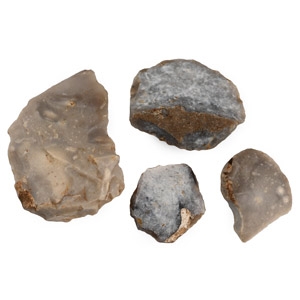
Stone Age Knapped Flint Scraper Group
Neolithic Period, circa 5500-4500 B.P.Sold for (Inc. bp): £20
Mainly ovate scrapers with broad edge, some cortex to butt. 43 grams total, 26-50 mm
Found Bolton, East Riding of Yorkshire, UK. Ex Arthur Halcrow Versage collection, Reigate, Surrey, UK. From the property of a late Lincolnshire, UK, gentleman. -
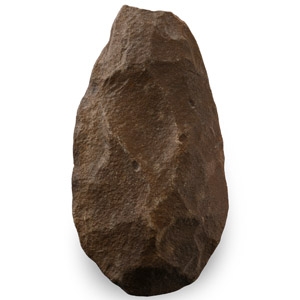
Stone Age Acheulian Knapped Axehead
Palaeolithic Period, circa 300,000-200,000 B.P.Sold for (Inc. bp): £52
Substantial triangular-section handaxe with broad rounded butt; tip absent. 415 grams, 15.2 cm
Found Erg Belfelfoul, Algeria, 1967. From an old Hamburg, Germany collection. From the property of a late Lincolnshire, UK, gentleman. -
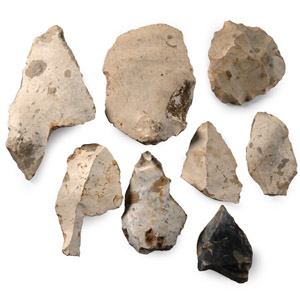
Stone Age Collection of Flint Tools
Palaeolithic Period, circa 200,000 B.P.Sold for (Inc. bp): £17
Mainly scrapers of various sizes, some with inked accession number. 97 grams total, 36-73 mm
From the collection of a Buckinghamshire, UK, collector established from the earlier 1960s.
