
Loading, please wait...
LOT 0337
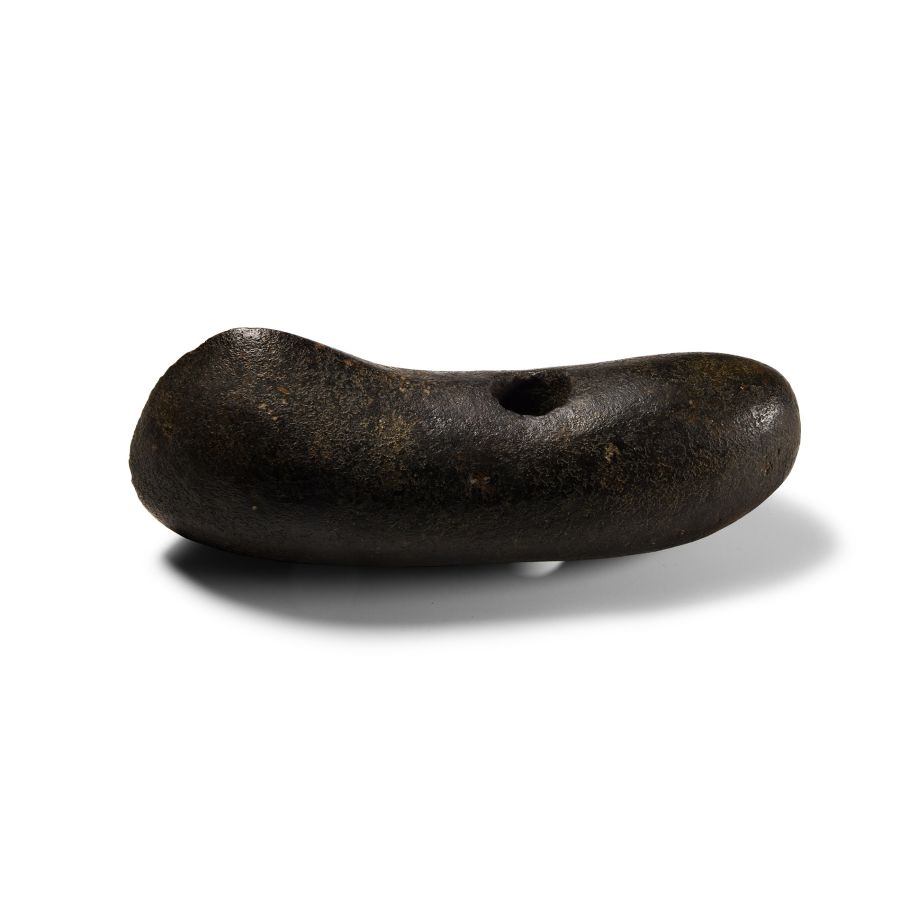
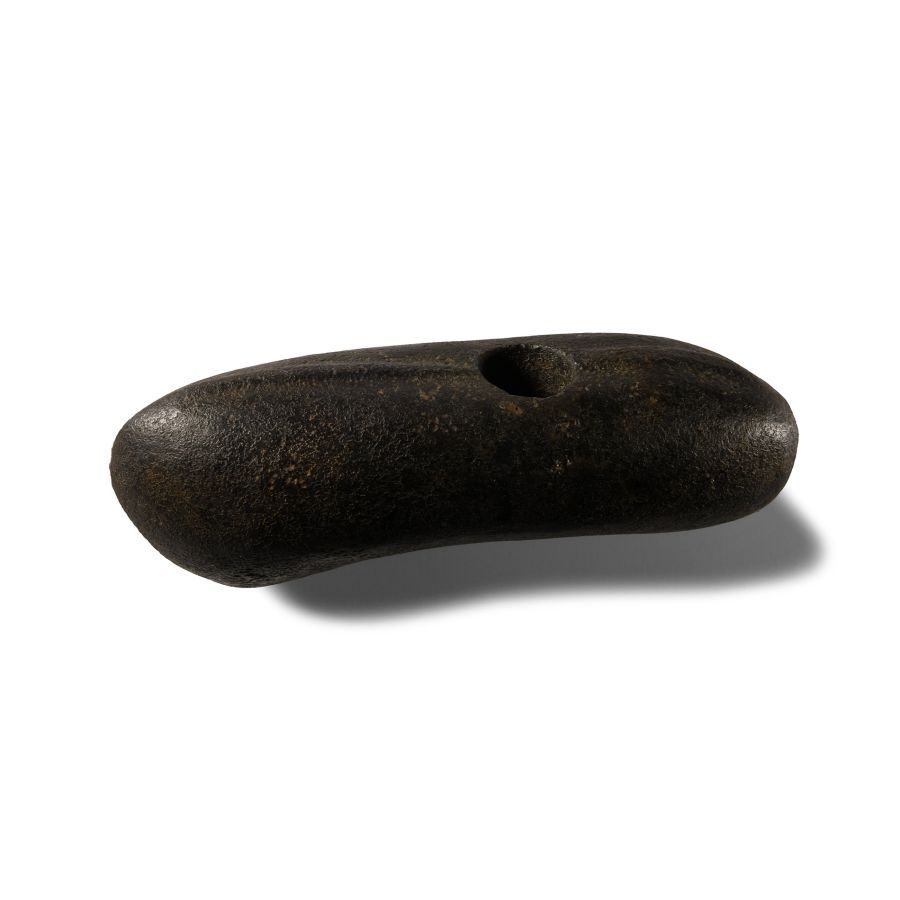
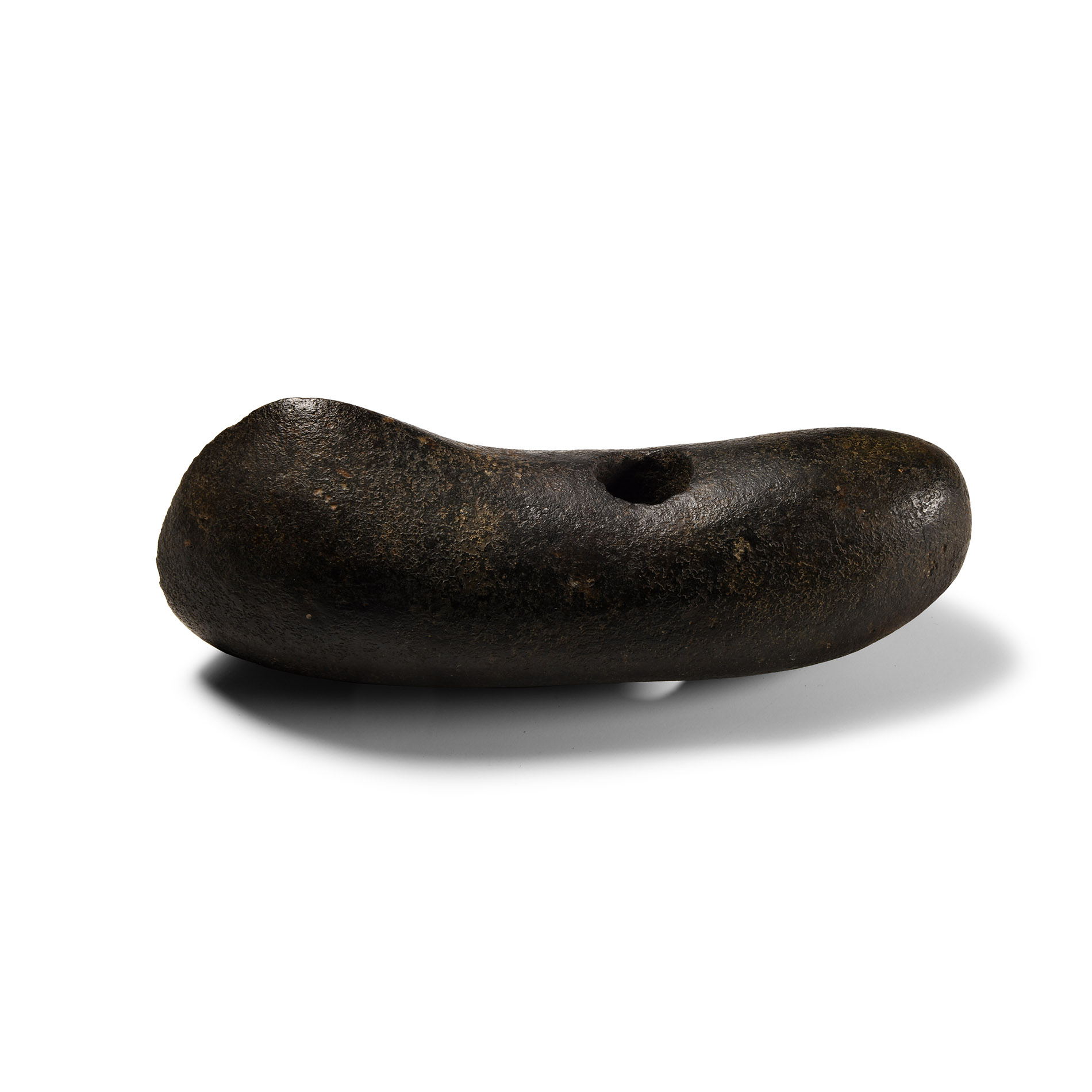
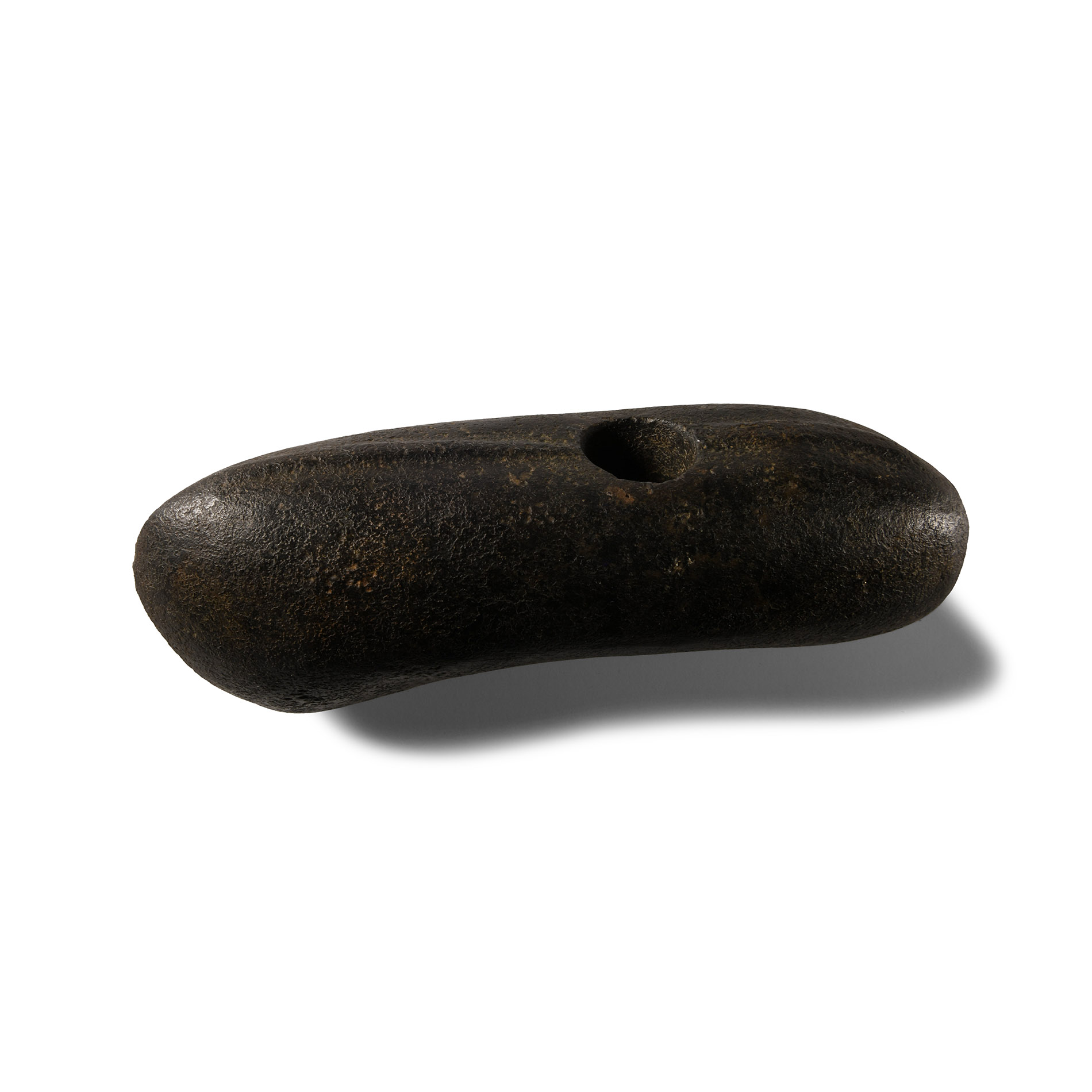
Stone Age Fatjanovo Culture Battle Axehead
NEOLITHIC PERIOD, LATE 3RD-EARLY 2ND MILLENNIUM B.C.
7 in. (850 grams, 18 cm).
A finely polished boat-shaped axe in dark grey stone, with expanded asymmetric convex cutting edge tapering to a 'hammer' butt, drilled to receive handle. [No Reserve]
ProvenanceFrom a collection acquired on the UK art market from various auction houses and collections mostly before 2000.
From an important Cambridgeshire estate; thence by descent.
See Glob, P. V., Danske Oldsager II, Yngre Stenalder, Copenhagen, 1952, no.333, for general form and no.486, for an example with collared butt; also for a group of two similar but larger examples see Christie's New York, 4 June 2015, no.72 (US$10,000-15,000).
CONDITIONTimeLine Auctions follows a vetting process to ensure the authenticity and legality of all items, reinforcing our commitment to integrity and responsible trading. Each antiquity, antique, and coin lot undergoes thorough examination by a vetting committee of at least ten external specialists, professional trade association members, scientists, and archaeologists: Our Vetting Process
AUCTIONS:
TimeLine is a leading auction house specialising in antiquities, ancient art, collectables, natural history, coins, medals, and books. Our auctions offer museums, collectors, historians, and enthusiasts the opportunity to acquire unique and historically significant pieces.
-
.jpg)
Exceptionally Large Stone Age Knapped Flint Axehead
Neolithic Period, circa 7th-5th millennium B.C.Sold for (Inc. bp): £1,235
Square in section with broad rounded butt and only slightly narrower tip, polished, some cortex remaining. 2.05 kg, 33 cm
From the property of Mr O.S., a late Suffolk, UK, gentleman, who acquired at auction from the 1960s. -
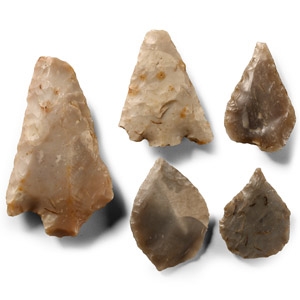
Stone Age Flint Arrowhead Collection
Circa 2,500-1,500 B.C.Sold for (Inc. bp): £59
Including triangular, tanged and ovate types. 18.4 grams total, 23-46 mm
Found North Yorkshire, UK. -
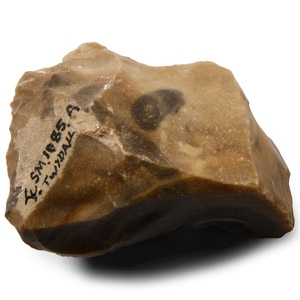
Stone Age Twydall Knapped Flint Scraper Tool
Lower Palaeolithic Period, circa 400,000 B.P.Sold for (Inc. bp): £59
Triangular-section scraper with old inked inscription '4.SM.1085A / TWYDALL'. 98 grams, 67 mm
Found Twydall, Kent, UK. Richard Jones collection, Welling, Kent, UK, 1912-1915. Ex Rochester Museum, Kent collections. Specialist collection of J Edwin Jarvis. Ex Martin Schoyen collection, London, UK. Accompanied by a copy of an article on the site at Twydall.
