
Loading, please wait...



LOT 0505
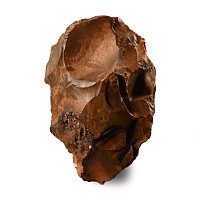
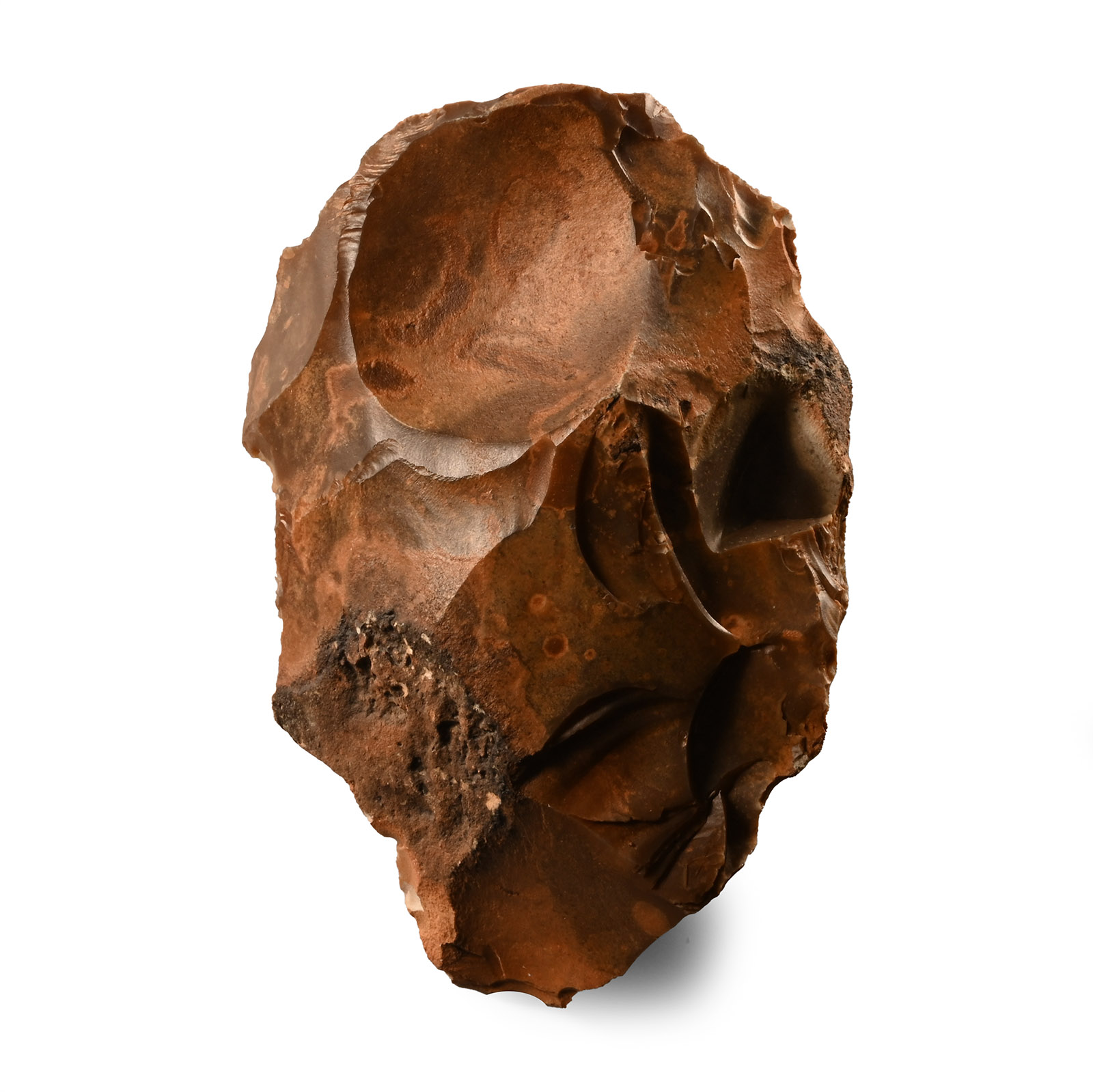
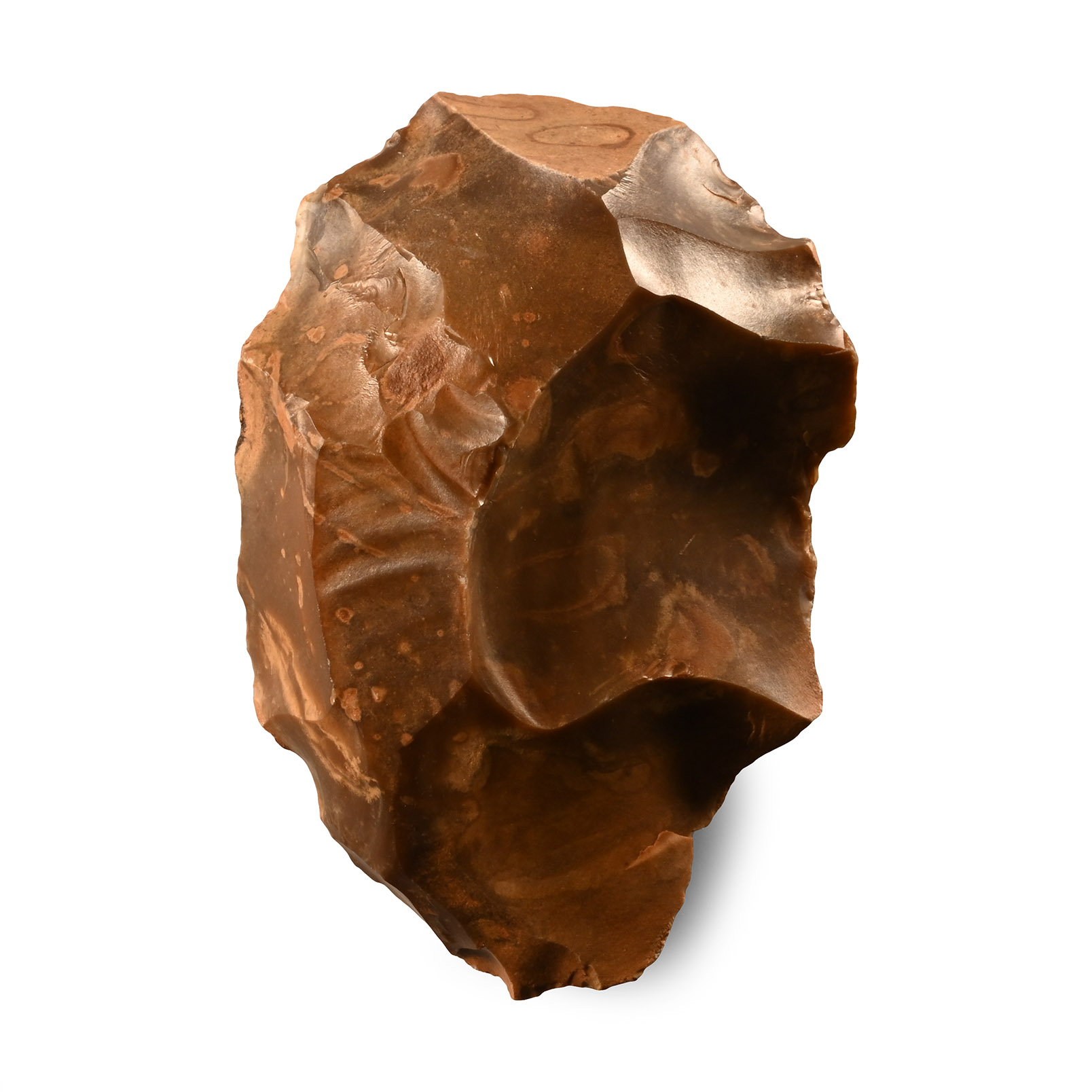
Stone Age Egyptian Flint Axehead
LOWER PALAEOLITHIC PERIOD, CIRCA 450,000-280,000 B.P.
4 7/8 in. (389 grams, 12.3 cm).
Biconvex in section with irregular curved edge. [No Reserve]
ProvenanceFound Egypt, North Africa.
From the British art market in the 1970s-1980s.
Acquired via inheritance, 1988.
From the collection of a South West London, UK, specialist Stone Age collector.
TimeLine Auctions follows a vetting process to ensure the authenticity and legality of all items, reinforcing our commitment to integrity and responsible trading. Each antiquity, antique, and coin lot undergoes thorough examination by a vetting committee of at least ten external specialists, professional trade association members, scientists, and archaeologists: Our Vetting Process
AUCTIONS:
TimeLine is a leading auction house specialising in antiquities, ancient art, collectables, natural history, coins, medals, and books. Our auctions offer museums, collectors, historians, and enthusiasts the opportunity to acquire unique and historically significant pieces.
-
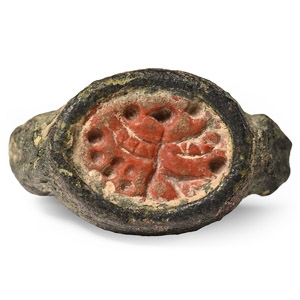
Egypto-Phoenician Hardstone Scaraboid Set in Bronze Pendant
Late 1st millennium B.C.Estimate: £250 - 350 (+bp*)
Opening Bid: £125
Comprising a carnelian scaraboid with a stylised bird with open wings to the underside, pellets to the field; set in an openwork bronze pendant frame with tubular loop. 3.84 grams, 18 mm
From an early 20th century Home Counties, UK, collection. -
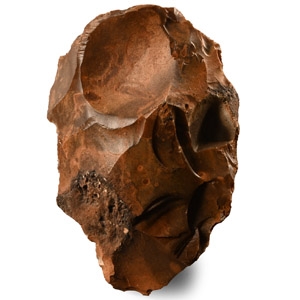
Stone Age Egyptian Flint Axehead
Lower Palaeolithic Period, circa 450,000-280,000 B.P.Sold for (Inc. bp): £46
Biconvex in section with irregular curved edge. 389 grams, 12.3 cm
Found Egypt, North Africa. From the British art market in the 1970s-1980s. Acquired via inheritance, 1988. From the collection of a South West London, UK, specialist Stone Age collector. -
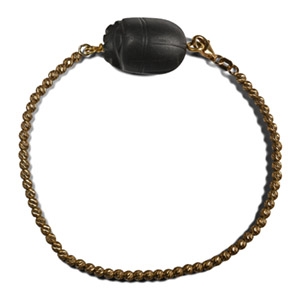
Egyptian Hardstone Scarab in Gold Bracelet
Late Period, 664-332 B.C. and laterSold for (Inc. bp): £572
Scarab, plano-convex in section with incised carapace and leg detailing, stylised djed pillar to the underside; mounted in a 20th-century gold bracelet. 12.30 grams, 22.5 cm
From the private collection of the late Mrs Belinda Ellison, long time member of the Egyptian Exploration Society, c.1940-2020.
