
Loading, please wait...
LOT 1480
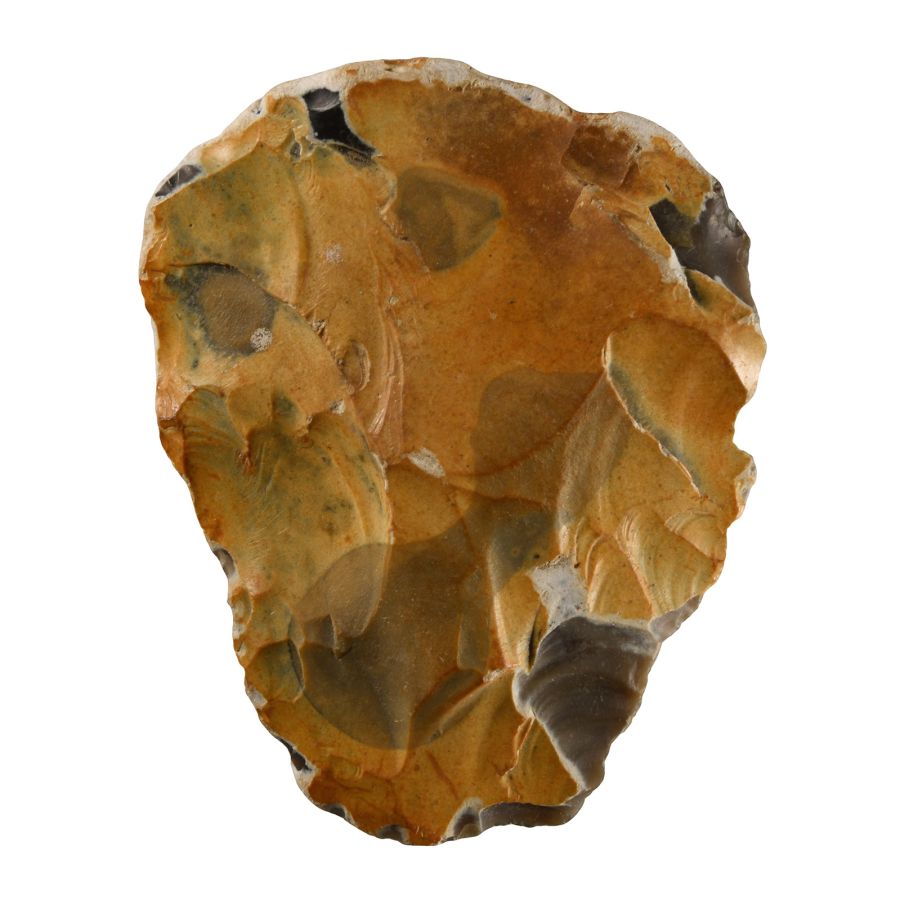
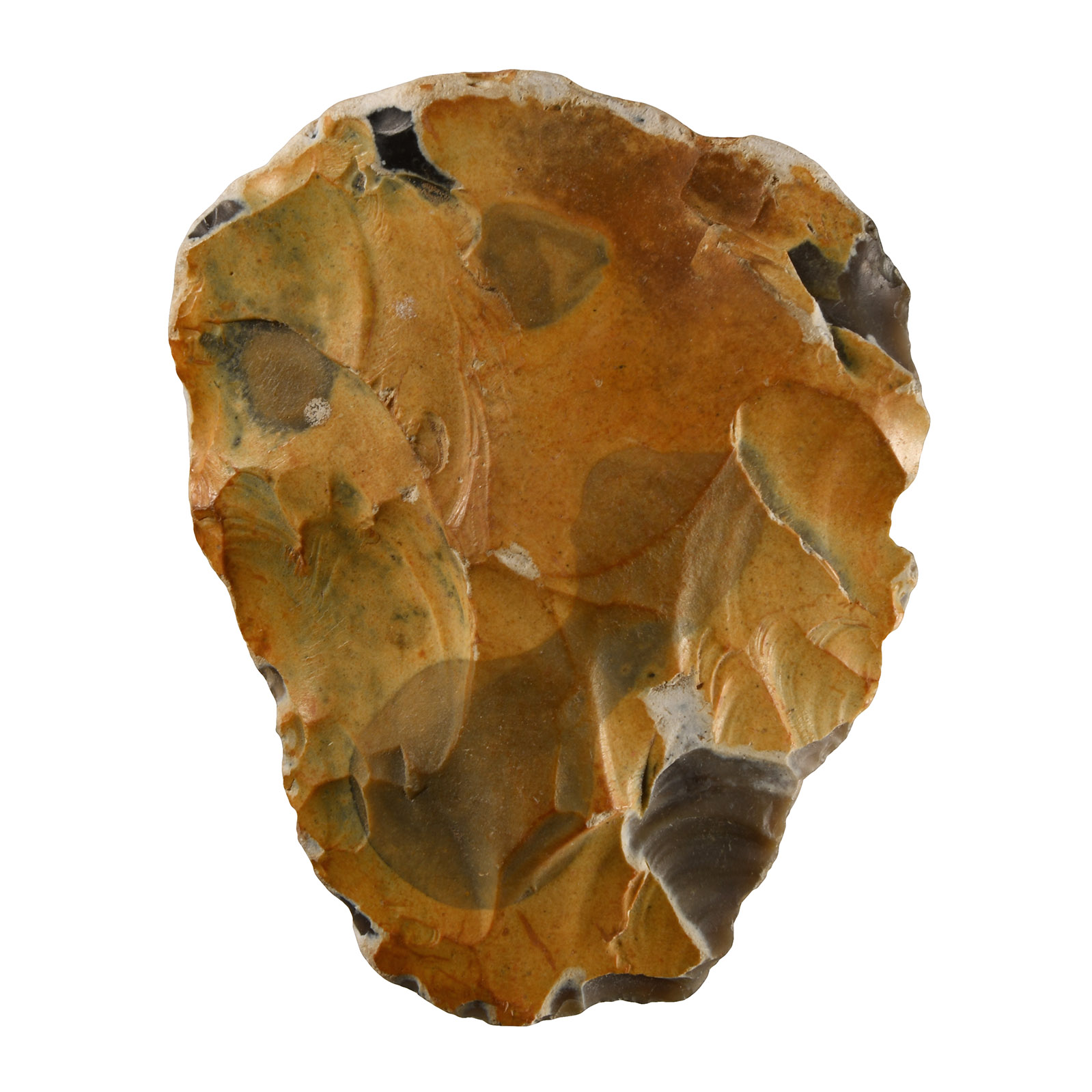
Stone Age 'Bacton' Knapped Flint Handaxe
MIDDLE PALAEOLITHIC PERIOD, CIRCA 240,000- 38,000 B.P.
3 1/4 in. (130 grams, 81 mm).
Sub-cordiform, lentoid in section with butt formed from the unaltered cortex-covered surface. [No Reserve]
ProvenanceFound Bacton, Norfolk, UK, by John Craven in 2020.
LiteratureCf. MacGregor, A. (ed.), Antiquities from Europe and the Near East in the Collection of Lord MacAlpine of West Green, Oxford, 1987, item 1.17, for type.
CONDITIONTimeLine Auctions follows a vetting process to ensure the authenticity and legality of all items, reinforcing our commitment to integrity and responsible trading. Each antiquity, antique, and coin lot undergoes thorough examination by a vetting committee of at least ten external specialists, professional trade association members, scientists, and archaeologists: Our Vetting Process
AUCTIONS:
TimeLine is a leading auction house specialising in antiquities, ancient art, collectables, natural history, coins, medals, and books. Our auctions offer museums, collectors, historians, and enthusiasts the opportunity to acquire unique and historically significant pieces.
-
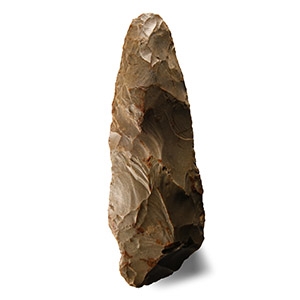
Large Stone Age Knapped Flint Handaxe
Mesolithic Period, circa 30,000-15,000 B.C.Sold for (Inc. bp): £169
Lentoid section handaxe with narrow tip, irregular broad butt. 1 kg, 25.5 cm
Found Normandy, France. From an old English collection. -
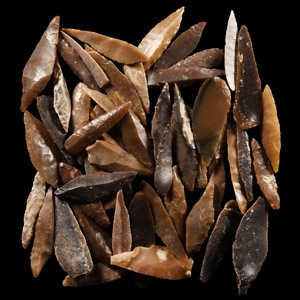
Stone Age Long Flint Arrowhead Group
Neolithic Period, circa 8th-5th millennium B.C.Sold for (Inc. bp): £65
Comprising mostly bifacial and uniface leaf-shaped flint and chert arrowheads; probably from the Sahara region of North Africa. 140 grams total, 33-56 mm
UK gallery, early 2000s.
Between the Mesolithic and Neolithic periods, some of the most useful human inventions were perfected, including the bow and arrow. The feathered arrow for hunting birds was invented. Most arrows used during hunting were tipped with flint or obsidian, although some had blunt wooden tips to stun birds without injuring them. The bows were made of ash and the strings were made of animal sinews. -
.jpg)
Stone Age Polished Stone Handaxe
Neolithic Period, circa 6th-4th millennium B.C.Sold for (Inc. bp): £546
With gently curved cutting edge, shallow pointed butt. 426 grams, 17.8 cm
From a very old collection based on the cabinet patination. From a collection acquired on the UK art market from various auction houses and collections mostly before 2000. From an important Cambridgeshire estate; thence by descent.
