
Loading, please wait...
LOT 0391
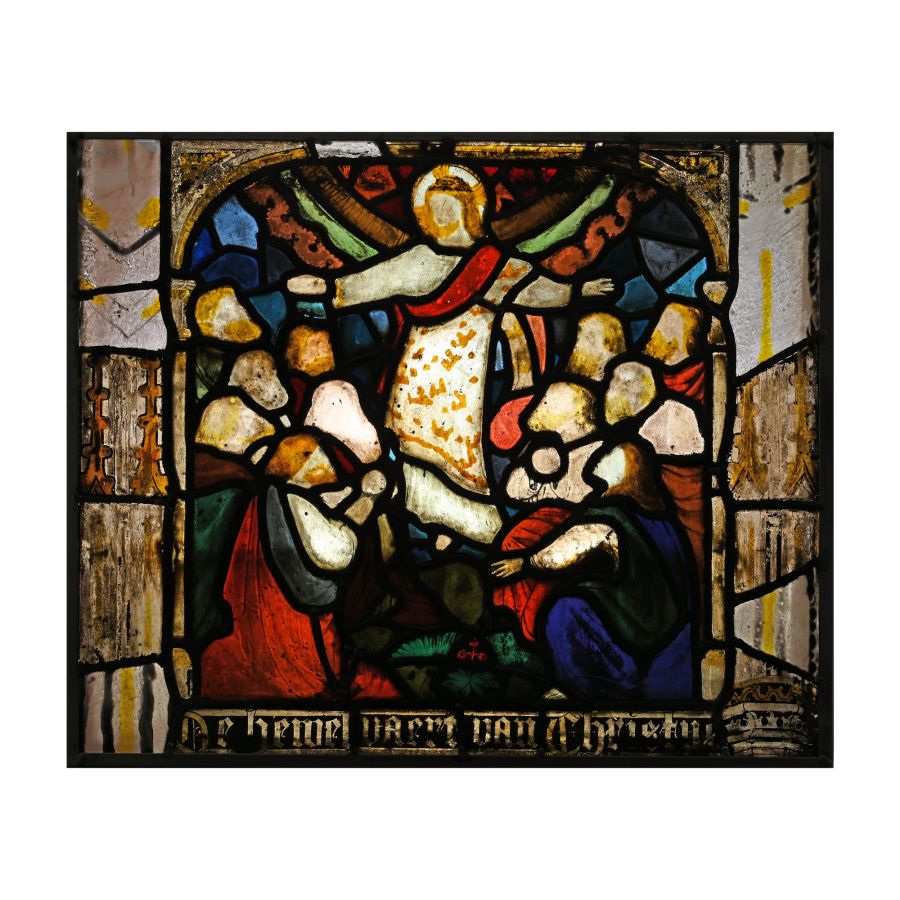
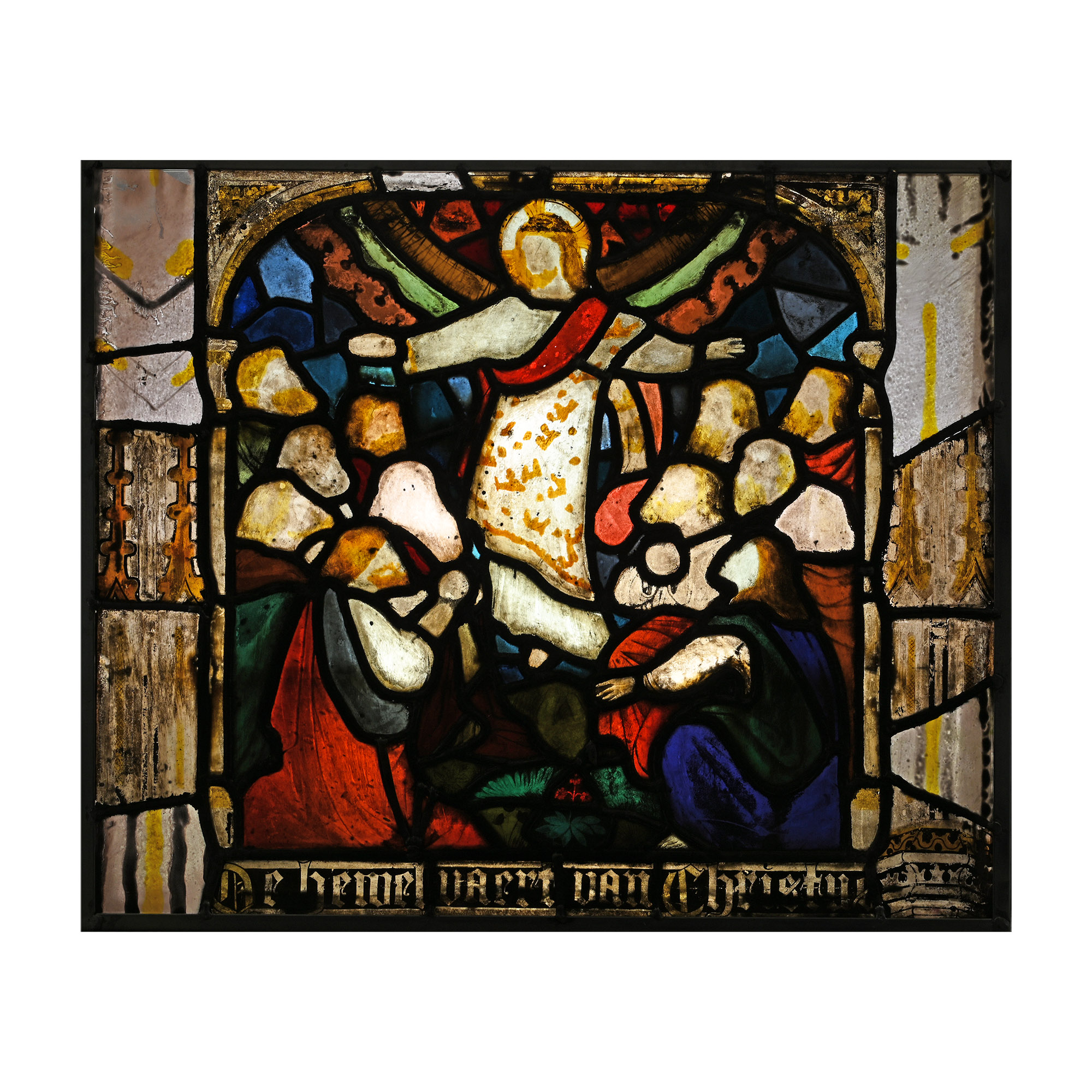
Stained Glass Panel with the Ascension of Jesus Christ
FLEMISH, LATE 19TH CENTURY A.D. OR EARLIER
25 1/2 x 21 in. (4.5 kg, 65 x 53.5 cm).
In late 15th century style, showing Christ on the foreground rising to heaven, surrounded by Mary and the eleven apostles, Jesus dressed in a white tunica talaris and a red cloak; natural background, medieval Flemish inscription at the bottom ‘DE HEMELVAART VAN CHRISTUS’ (the Ascension of Christ) in uncial letters; some restoration. [No Reserve]
ProvenanceFrom a war-damaged church in Belgium.
Ex property of a late Northumberland collector.
From a private collection, Derbyshire, UK.
This lot is accompanied by an illustrated lot declaration signed by the Head of the Antiquities Department, Dr Raffaele D'Amato.
Cf. similar scene in the Metropolitan Museum of Art, New York, The Ascension of Christ of Von Klumbach, circa 1513 A.D., accession no.21.84, in The Metropolitan Museum, Gothic and Renaissance Art in Nuremberg, 1300-1550, New York, 1986, p.349, no.66b.
FootnotesThe scene represents the Ascension of Christ, described in Luke 24,1 and Acts 1,1-9. The Ascension is the last episode of Jesus' earthly presence according to the two narratives. It describes his definitive ascension to heaven, from which he will return only at the end of time (Parousia).
CONDITIONTimeLine Auctions follows a vetting process to ensure the authenticity and legality of all items, reinforcing our commitment to integrity and responsible trading. Each antiquity, antique, and coin lot undergoes thorough examination by a vetting committee of at least ten external specialists, professional trade association members, scientists, and archaeologists: Our Vetting Process
AUCTIONS:
TimeLine is a leading auction house specialising in antiquities, ancient art, collectables, natural history, coins, medals, and books. Our auctions offer museums, collectors, historians, and enthusiasts the opportunity to acquire unique and historically significant pieces.
-
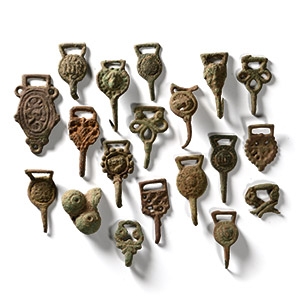
Tudor Bronze Hook Fastener Collection
Circa 16th century A.D.Sold for (Inc. bp): £59
Comprising nineteen hooked tags of various types, one inscribed with 'IHS'. 67 grams total including documents, 15-38 mm
Found Yorkshire, UK. From the private collection of Robin Sykes, Yorkshire, UK, formed since the late 1990s. Seven identified by Jim Halliday on two record sheets. This lot is accompanied by an illustrated lot declaration signed by the Head of the Antiquities Department, Dr Raffaele D'Amato. -
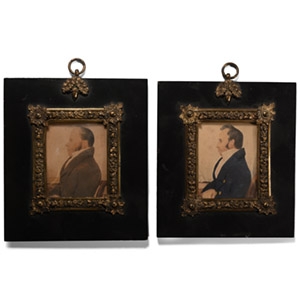
English Miniature Portrait Pair
19th century A.D.Sold for (Inc. bp): £169
Comprising two male profile portraits on card, set within wooden frame with metal embellishments, both men in period costumes and seated on high-backed chairs. 280 grams total, 16 -16.5 cm
From a Cambridgeshire, UK, collection. This lot is accompanied by an illustrated lot declaration signed by the Head of the Antiquities Department, Dr Raffaele D'Amato. -
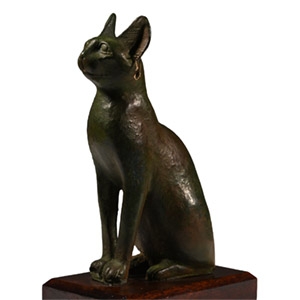
Egyptian Style Cat on Wooden Base
20th century A.D.Sold for (Inc. bp): £312
Modelled in the round in alert pose with gold loop in each ear; bronze or composition on a polished wooden base; after the antique. 1.25 kg total, 20.5 cm including stand
From a private, UK, collection in the 1980s. Property of a London, UK, antiquarian. This lot is accompanied by an illustrated lot declaration signed by the Head of the Antiquities Department, Dr Raffaele D'Amato.
