
Loading, please wait...


LOT 1199
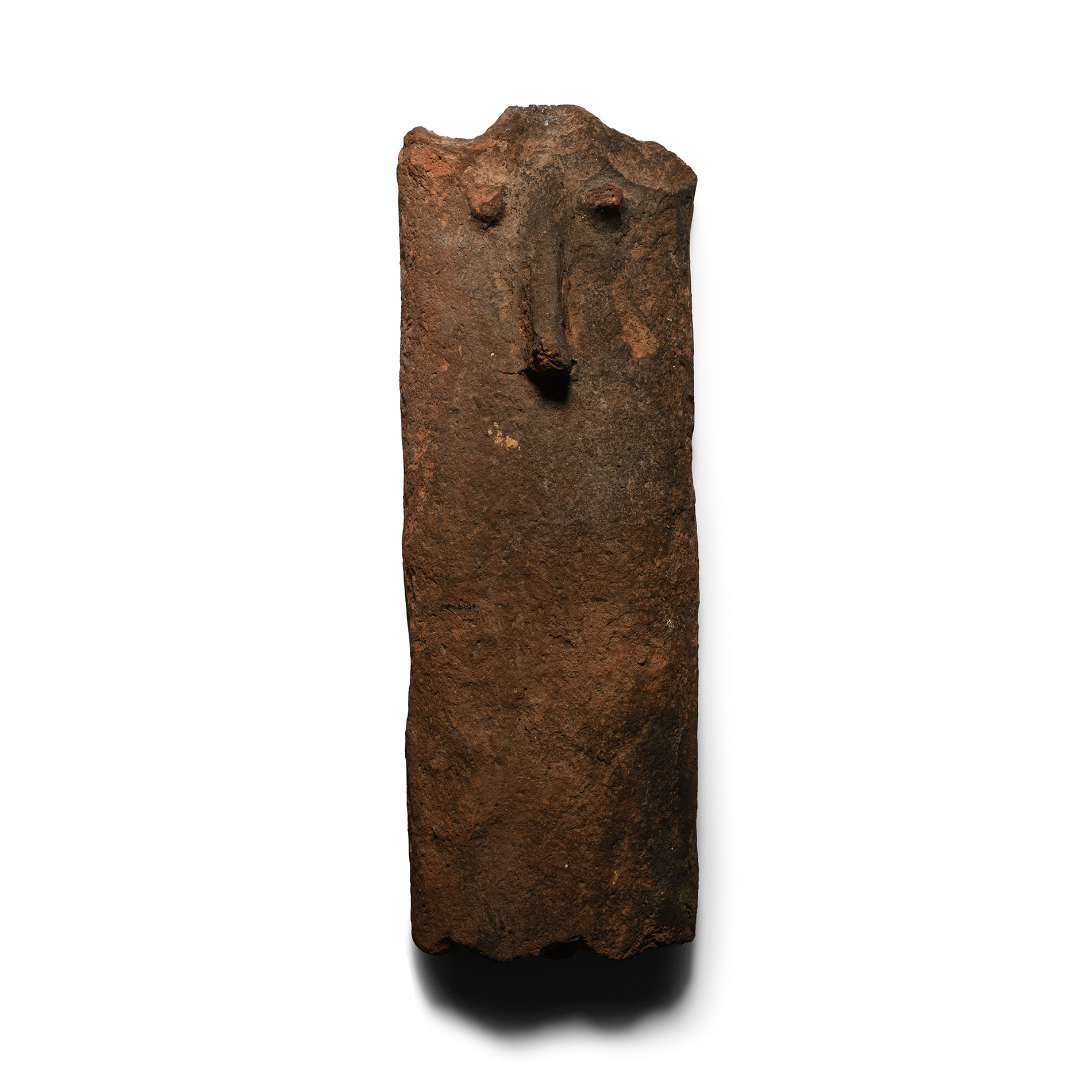
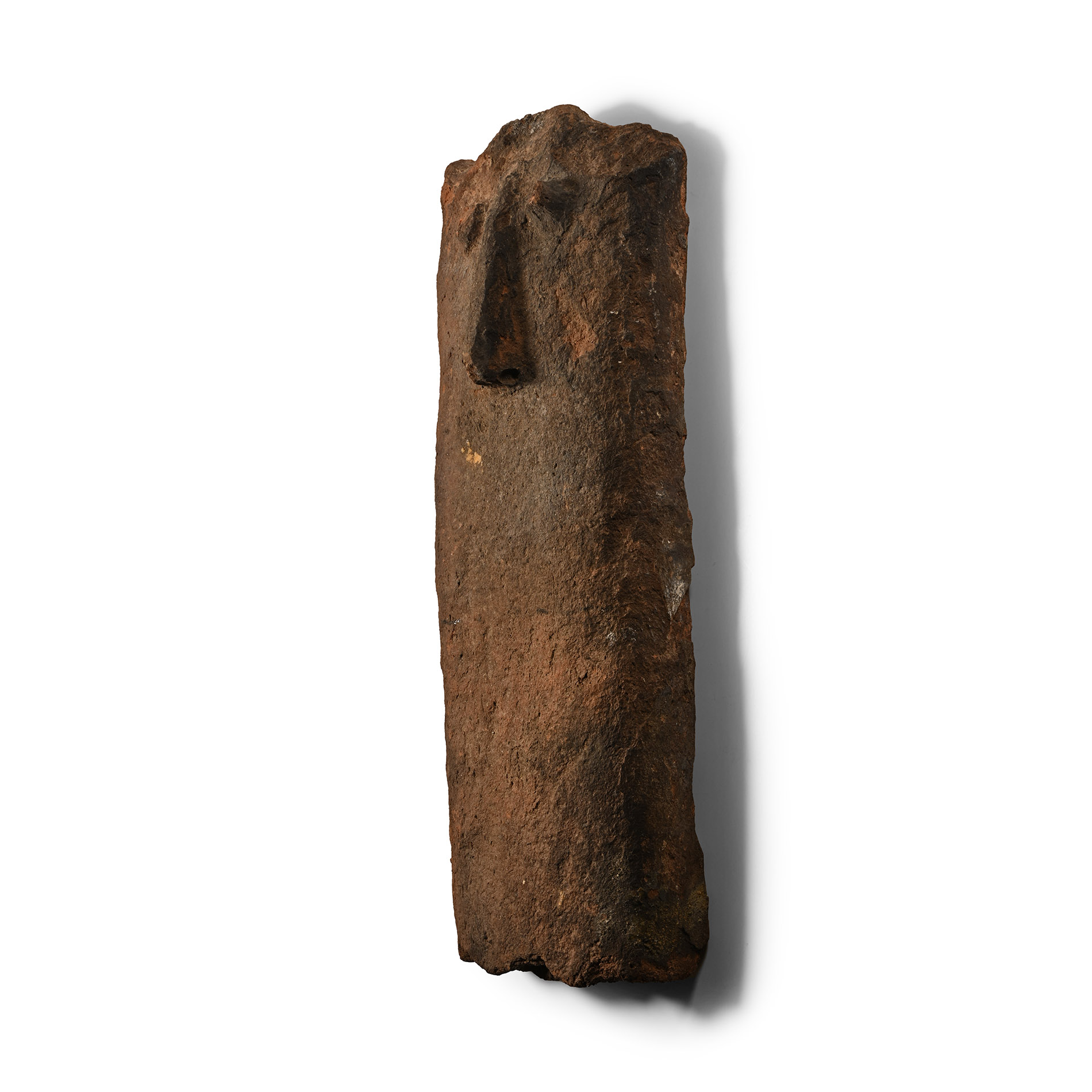
South Arabian Terracotta Face Stele
MID-LATE 1ST MILLENNIUM B.C. OR LATER
13 5/8 in. (1.82 kg, 34.5 cm).
Rectangular in profile and plano-convex in section with applied triangular nose and pinched eyes; part of socket to reverse at lower end. [No Reserve]
ProvenanceFrom a collection acquired on the UK art market from various auction houses and collections mostly before 2000.
From an important Cambridgeshire estate; thence by descent.
TimeLine Auctions follows a vetting process to ensure the authenticity and legality of all items, reinforcing our commitment to integrity and responsible trading. Each antiquity, antique, and coin lot undergoes thorough examination by a vetting committee of at least ten external specialists, professional trade association members, scientists, and archaeologists: Our Vetting Process
AUCTIONS:
TimeLine is a leading auction house specialising in antiquities, ancient art, collectables, natural history, coins, medals, and books. Our auctions offer museums, collectors, historians, and enthusiasts the opportunity to acquire unique and historically significant pieces.
-
.jpg)
Bactrian Style Lapis Lazuli Bead Necklace
20th century A.D.Sold for (Inc. bp): £59
Composed of oblate beads. 6.33 grams, 55 cm long
Acquired 1980-2015. Ex Abelita family collection. -
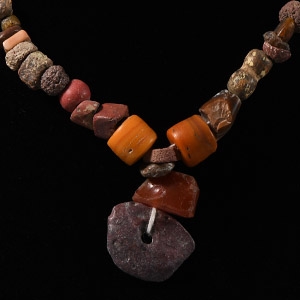
Western Asiatic Bead Necklace String
1st millennium B.C. and laterSold for (Inc. bp): £26
Restrung group of graduated tubular beads and annular beads in glass and stone. 28.6 grams, 33.5 cm
Acquired 1980-2015. Ex Abelita family collection. -
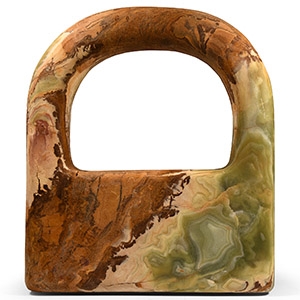
Large Bactrian Green Onyx 'Hand-Bag' Weight
Circa late 3rd-early 2nd millennium B.C.Estimate: £7,000 - 9,000 (+bp*)
Opening Bid: £3,500
Substantial mottled green and tan weight with arched handle; repaired. 11.6 kg, 35.5 cm
with Gallery Rosen Ancient Art, Tel Aviv, 1968. Property of a London gentleman. This lot has been checked against the Interpol Database of stolen works of art and is accompanied by a search certificate number no.12261-218639.
Among the most iconic intercultural style objects are the so-called 'lock' or 'hand bag' weights. These were probably not weights at all, but were likely badges of high office, carried to indicate authority. Similar objects have been found throughout Mesopotamia, the islands of the Persian Gulf, on the Iranian steppe, as well as the Indus Valley.
