
Loading, please wait...
LOT 0238
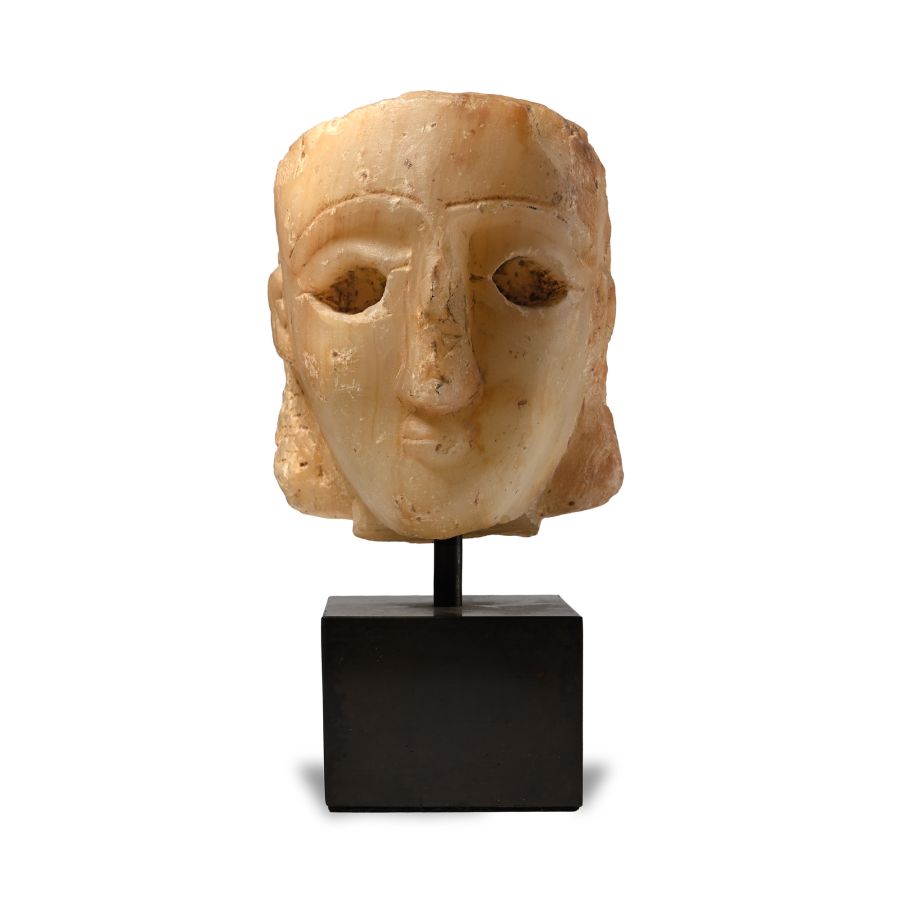
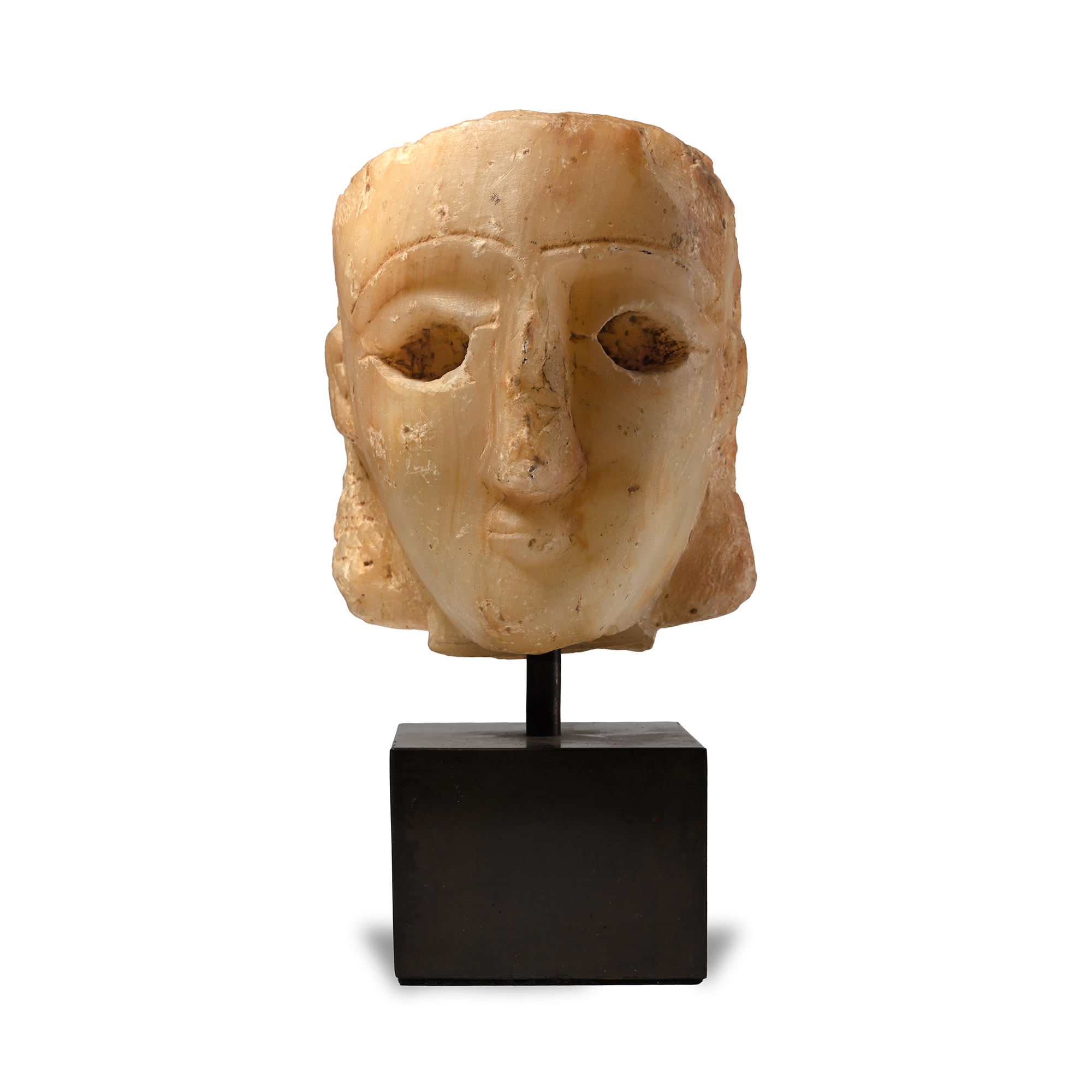
South Arabian Alabaster Head of a Female
3RD-1ST CENTURY B.C.
7 1/4 in. (1.96 kg total, 18.5 cm including stand).
Sculptured female head, angular nose with straight ridge, slightly rounded cheeks and triangular chin, large sockets for inlaid eyes, grooved eyebrows and high ears, long locks of hair visible below the ears; mounted on a custom-made display stand.
ProvenanceUK collection, 1990s.
Acquired on the UK art market, before 2000.
Private collection, Mr M.V., a London-based businessman.
Cf. Cleveland R.L., An Ancient South Arabian Necropolis, objects from the second campaign (1951) in the Timna Cemetery, Baltimore, pls.10-11,16-17, for similar examples (esp.TC 1543).
FootnotesIn the Arabian funerary sculptures of the period, the tops of the heads are usually cut off flat just above the hair line and left roughly tooled. The cut was due to the necessity of fitting them into niches of 'house shrines'. Large stelae with niches containing such heads were found in the Timna Cemetery.
CONDITIONTimeLine Auctions follows a vetting process to ensure the authenticity and legality of all items, reinforcing our commitment to integrity and responsible trading. Each antiquity, antique, and coin lot undergoes thorough examination by a vetting committee of at least ten external specialists, professional trade association members, scientists, and archaeologists: Our Vetting Process
AUCTIONS:
TimeLine is a leading auction house specialising in antiquities, ancient art, collectables, natural history, coins, medals, and books. Our auctions offer museums, collectors, historians, and enthusiasts the opportunity to acquire unique and historically significant pieces.
-
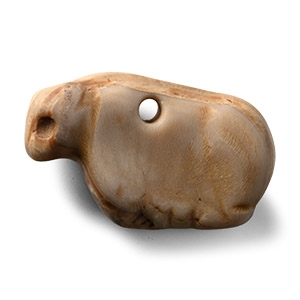
Western Asiatic Agate Bovine Amulet
4th-3rd millennium B.C.Sold for (Inc. bp): £169
Carved as a recumbent bovine with drilled eye, pierced through the upper edge; concave reverse. 8.87 grams, 35 mm
From a collection of a Devonshire, UK, gentleman established from the mid 1990s. -
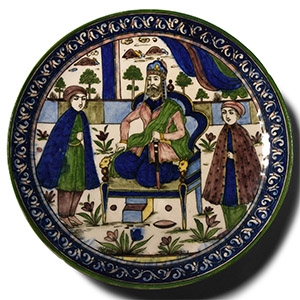
Large Iranian Ceramic Plate with Enthroned Shah
Early 20th century A.D.Estimate: £1,500 - 2,000 (‡+bp*)
Opening Bid: £750
With running foliage border enclosing a scene with a bearded Shāh sitting on a four-legged throne with lion-head finials and flanked by two attendants; flowers and other details in the field. 1.24 kg, 34.1 cm wide
Ex private collection, Belgium. with d'Arts d'Orient et Orientalisme, Paris, France, 1 June 2015, no.73. Ex Weber Kunsthandel, Cologne, Germany, 2015. This lot has been checked against the Interpol Database of stolen works of art and is accompanied by a search certificate number no.12131-218137. -
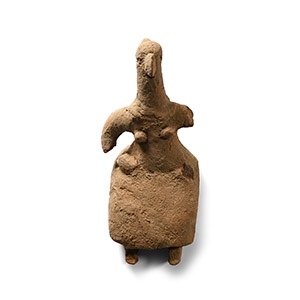
Chalcolithic Seated Terracotta Figure
3rd millennium B.C.Sold for (Inc. bp): £293
Modelled in the round seated figure with looped arms and applied collar, pinched nose. 128 grams, 13 cm high
Ex important collection of a late gentleman, 1980s. This lot has been cleared against the Art Loss Register database, and is accompanied by an illustrated lot declaration signed by the Head of the Antiquities Department, Dr Raffaele D'Amato.
