
Loading, please wait...
LOT 1992
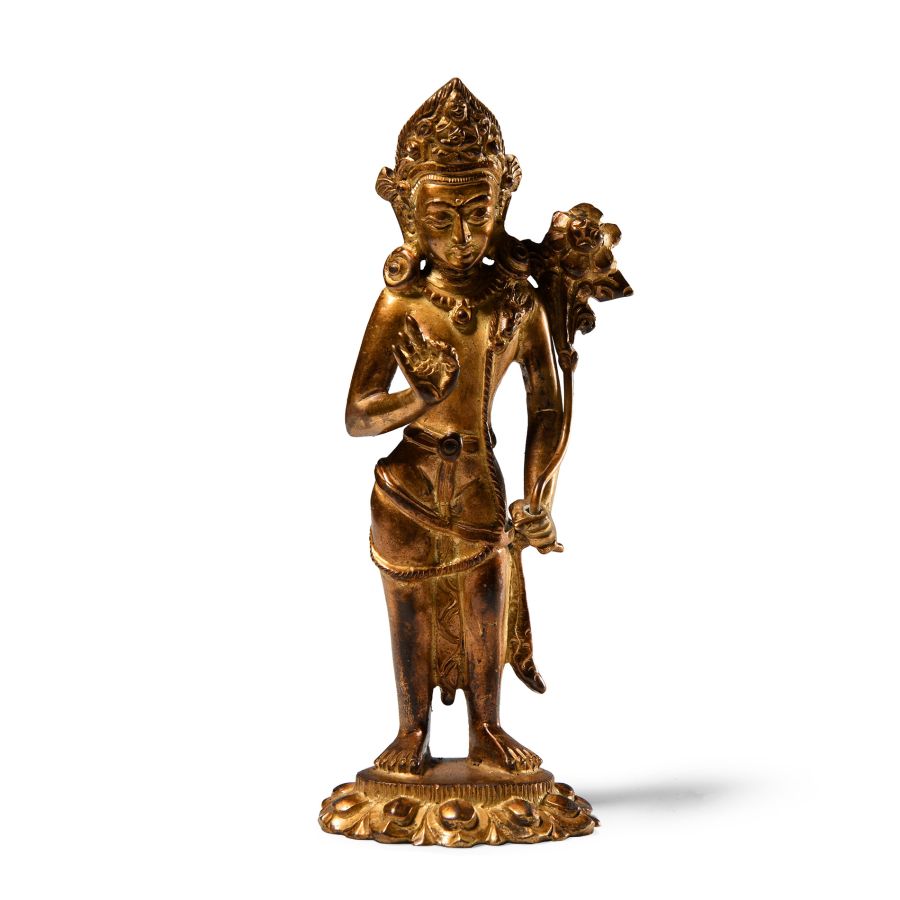
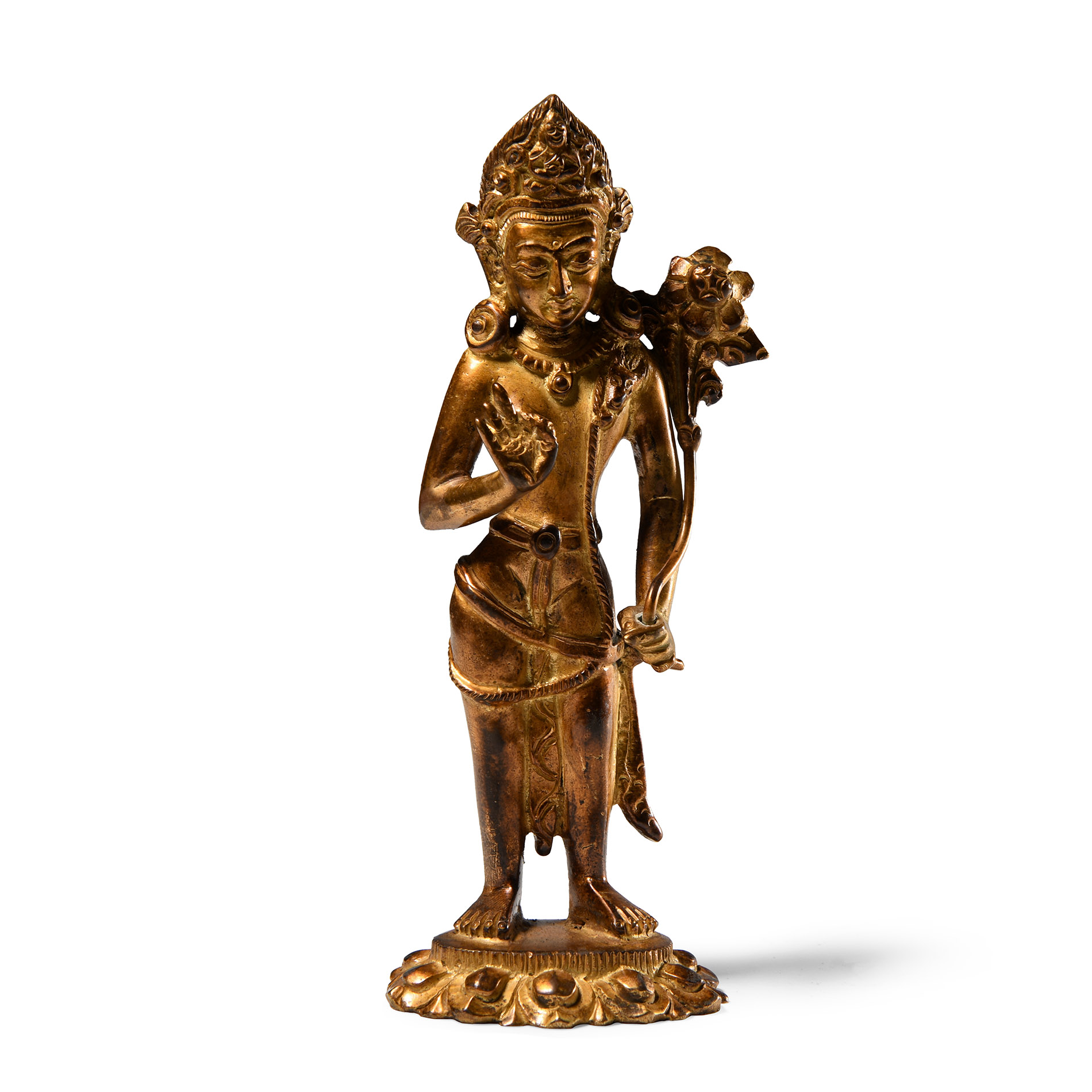
Sino-Tibetan Gilt Bronze Arya Tara Statuette
20TH CENTURY A.D.
5 3/4 in. (369 grams, 14.7 cm).
Standing on a tiered base with blooming flowers in her left hand, her right hand raised in a gesture of reassurance.
ProvenanceEx Cotswold collection, UK, 1990s.
CONDITIONTimeLine Auctions follows a vetting process to ensure the authenticity and legality of all items, reinforcing our commitment to integrity and responsible trading. Each antiquity, antique, and coin lot undergoes thorough examination by a vetting committee of at least ten external specialists, professional trade association members, scientists, and archaeologists: Our Vetting Process
AUCTIONS:
TimeLine is a leading auction house specialising in antiquities, ancient art, collectables, natural history, coins, medals, and books. Our auctions offer museums, collectors, historians, and enthusiasts the opportunity to acquire unique and historically significant pieces.
-
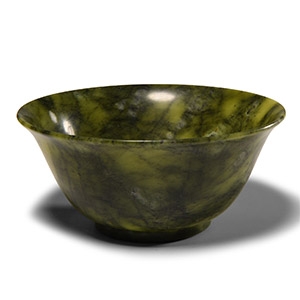
Chinese Mottled Green Jade Bowl
20th century A.D.Estimate: £100 - 140 (+bp*)
Opening Bid: £50
Polished with bell-shaped body, everted rim and shallow foot. 122 grams, 12.4 cm
Ex Hong Kong collection, 1980s. -
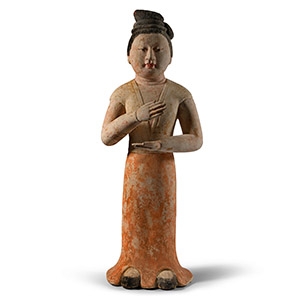
Large Chinese Wei Terracotta Greeting Female
Northern Wei Dynasty, 386-534 A.D.Sold for (Inc. bp): £1,430
Modelled in the round wearing a floor-length tight-fitting gown and long-sleeved undergarment; arms extended in a gesture of welcome; painted detailing to the face and hair. 5.25 kg, 61 cm high
From a West Country, UK, collection, formed in the 1990s. Accompanied by a thermoluminescence analysis report no.C124a3 from Oxford Authentication. -
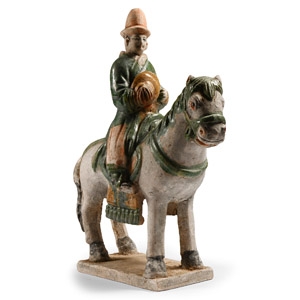
Chinese Ming Glazed Terracotta Horse and Rider
Ming Dynasty, 1368-1644 A.D. or laterSold for (Inc. bp): £260
Modelled on a rectangular base, the horse standing in harness and with a long saddlecloth; the rider modelled seated in the saddle, arms held before the body, holding cymbals. 1.18 kg, 26 cm high
North Yorkshire, UK, collection, 1990s.
