
Loading, please wait...
LOT 1870
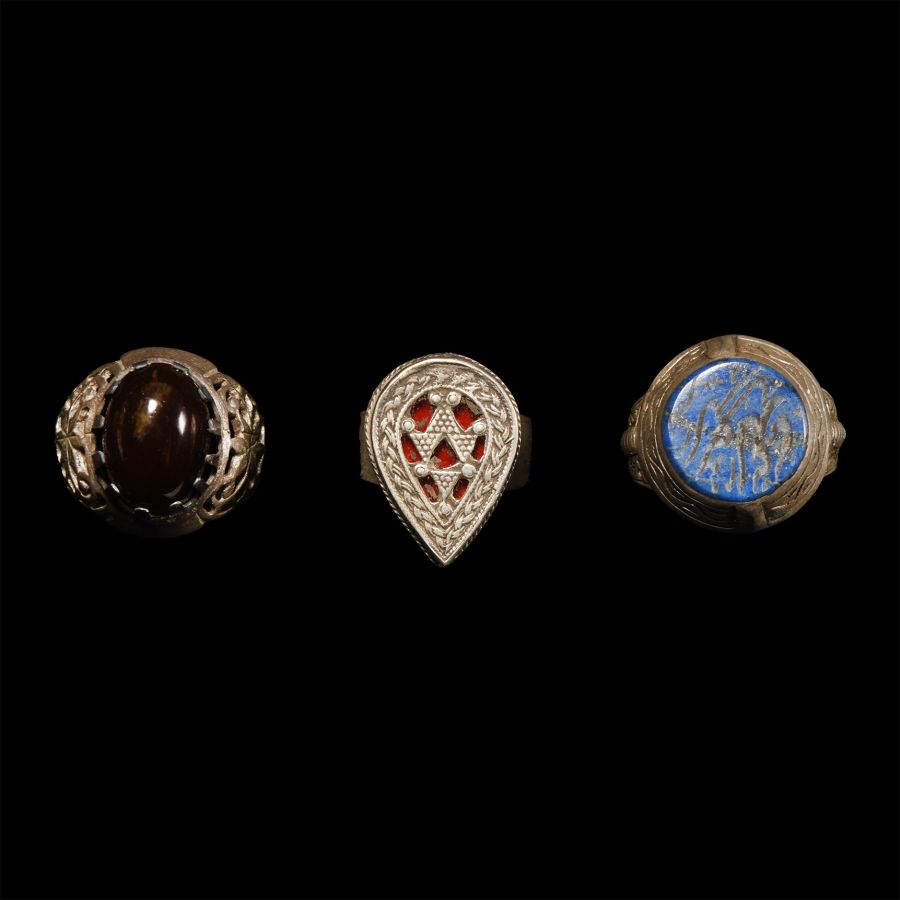
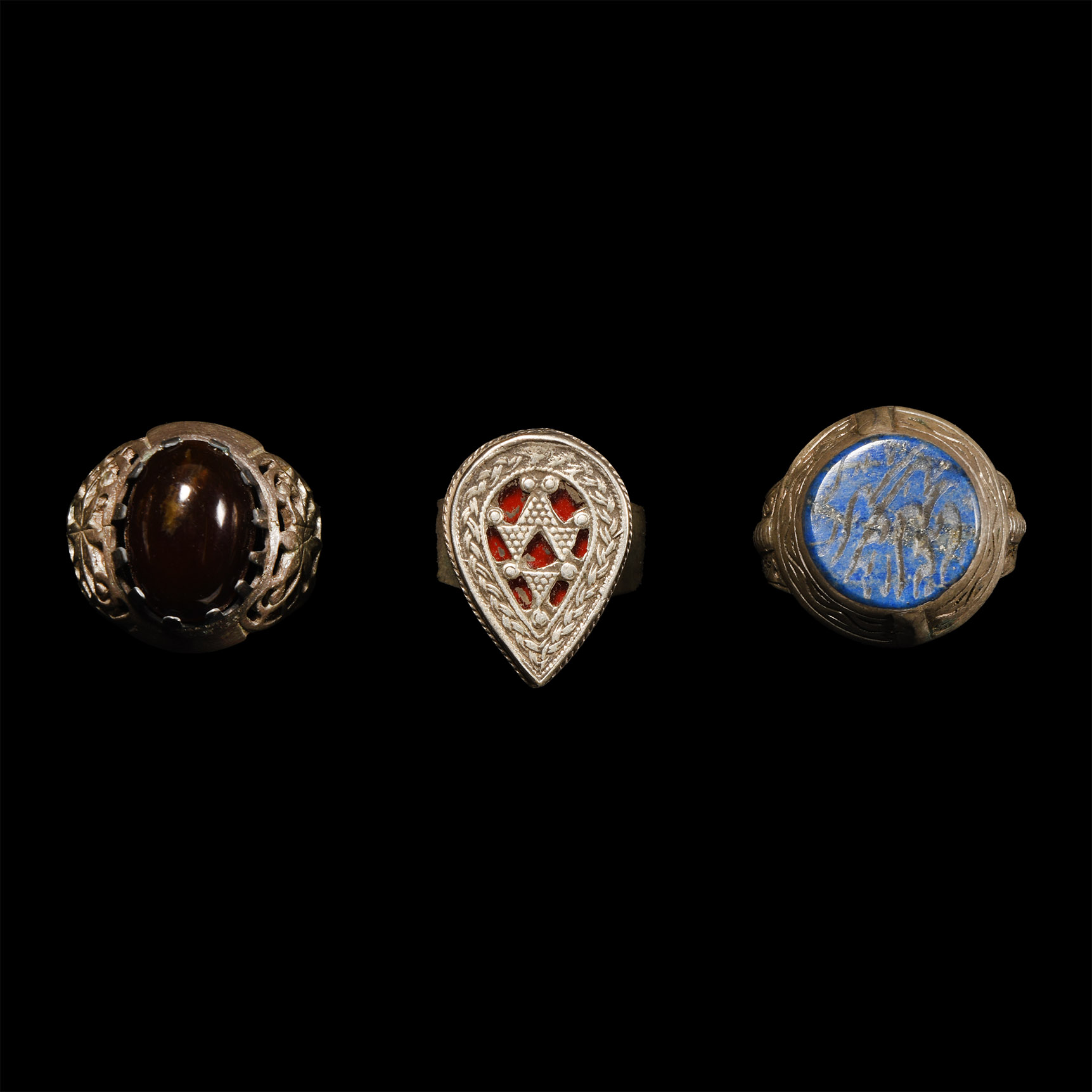
Silver-Coloured Ring Group
20TH CENTURY A.D.
7/8 - 1 1/4 in. (20.41 grams total, 23-30 mm).
Comprising: one with teardrop bezel, glass inserts; one with lapis lazuli disc insert; one with openwork shoulders, cabochon to the bezel. [3, No Reserve]
ProvenanceFrom a collection acquired on the UK art market from various auction houses and collections mostly before 2000.
From an important Cambridgeshire estate; thence by descent.
TimeLine Auctions follows a vetting process to ensure the authenticity and legality of all items, reinforcing our commitment to integrity and responsible trading. Each antiquity, antique, and coin lot undergoes thorough examination by a vetting committee of at least ten external specialists, professional trade association members, scientists, and archaeologists: Our Vetting Process
AUCTIONS:
TimeLine is a leading auction house specialising in antiquities, ancient art, collectables, natural history, coins, medals, and books. Our auctions offer museums, collectors, historians, and enthusiasts the opportunity to acquire unique and historically significant pieces.
-
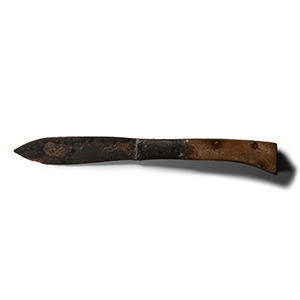
Post Medieval 'Thames' Iron Knife with Bone Handle
17th century A.D.Sold for (Inc. bp): £208
Short scale-tang blade with long bolster, rectangular-section bone handle with shallow socket to underside. 88 grams, 21 cm
Found Billingsgate spoil from the Thames foreshore, London, UK, circa 1984. Property of an Essex collector. -
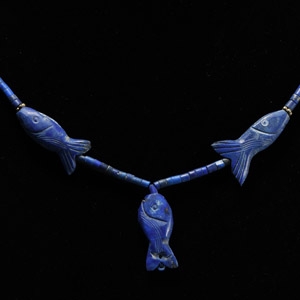
Bactrian Style Lapis Lazuli Bead Necklace
20th century A.D.Sold for (Inc. bp): £52
Restrung with fish-shaped tabular beads and seed beads. 13.6 grams, 37.5 cm
Acquired on the London, UK, art market in the 1990s. Ex London, UK, gallery. -
.jpg)
Post Medieval 'Thames' Decorated Ceramic and Glass Marble Collection
18th-20th century A.D.Sold for (Inc. bp): £7
Mixed group including transparent glass, polychrome, opaque and other types in various sizes. 341 grams total, 11-24 mm
Found Billingsgate spoil from the Thames foreshore, London, UK, circa 1984. Property of an Essex collector.
