
Loading, please wait...
LOT 2436
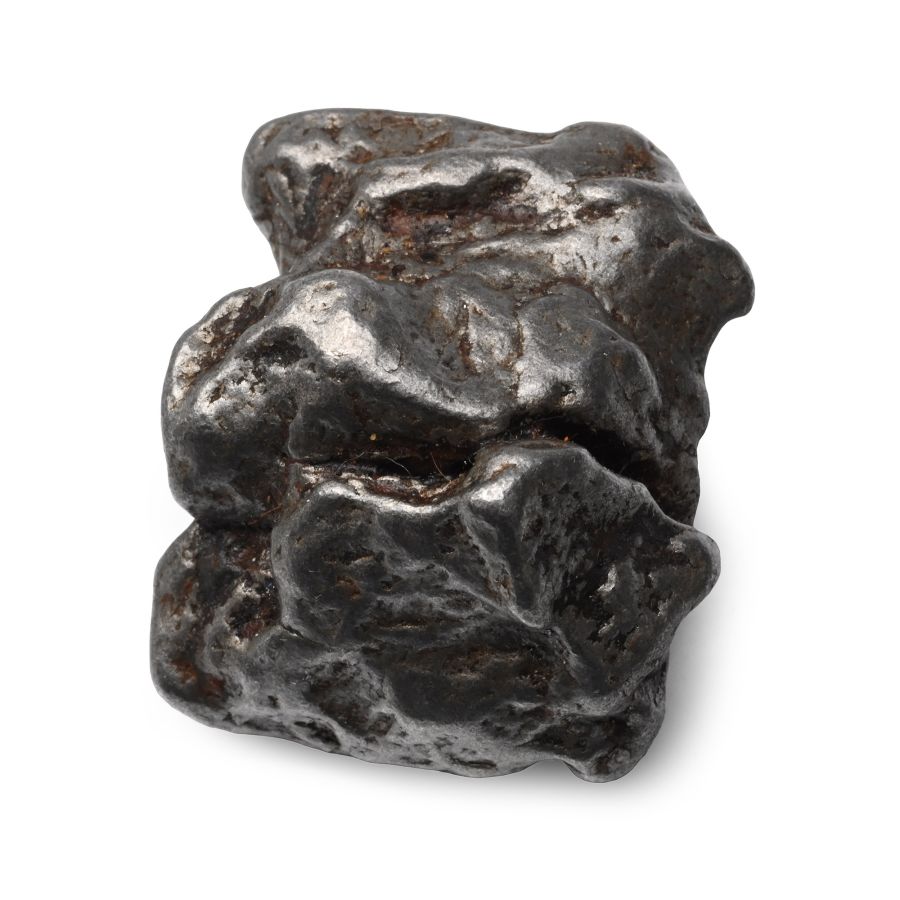
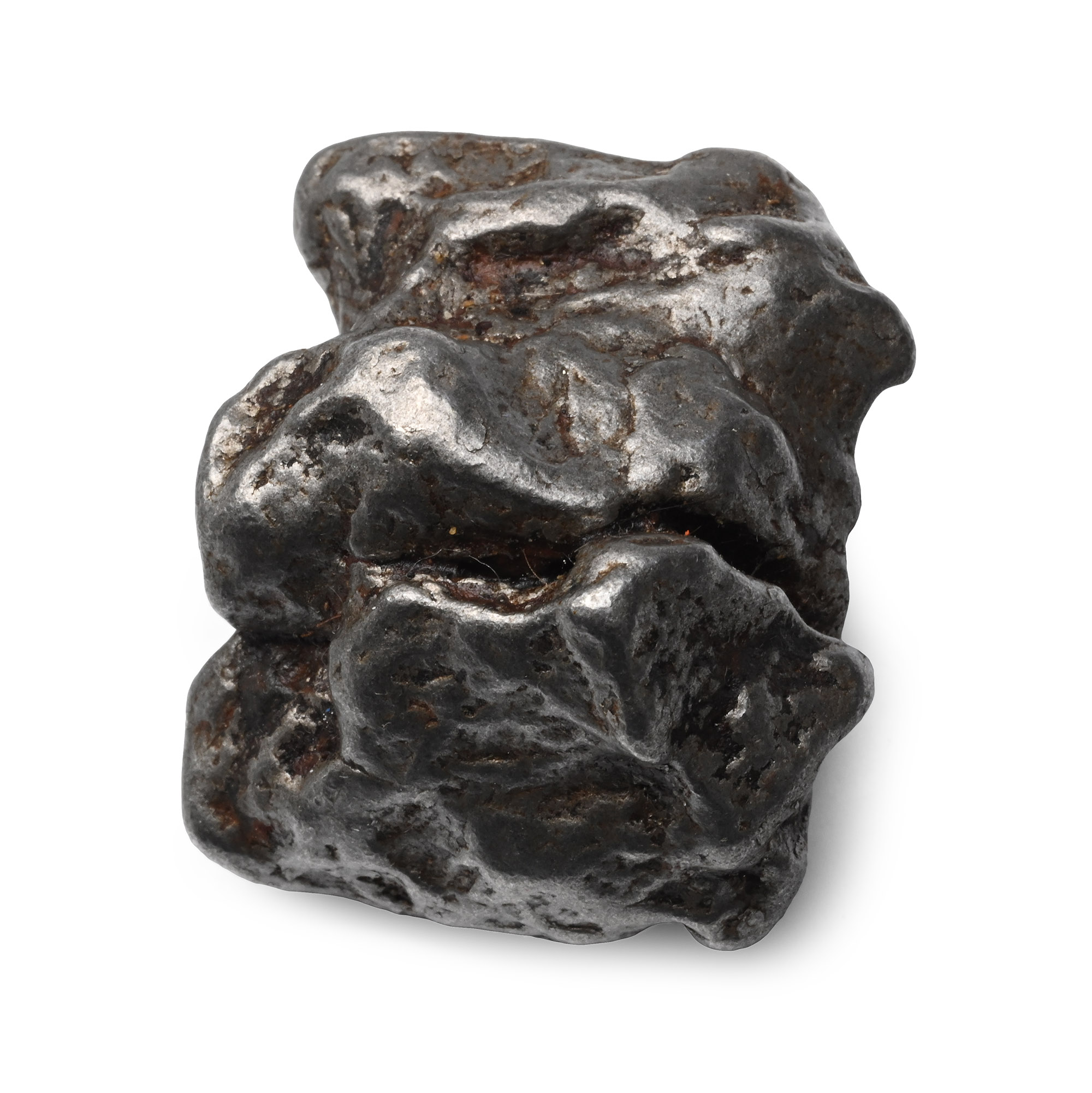
Sikhote Alin Meteorite
FELL 12TH FEBRUARY 1947 A.D.
1 1/4 in. (44.3 grams, 30 mm).
A coarse octahedrite class IIB iron meteorite; cleaned. [No Reserve]
ProvenanceEx Lincolnshire, UK, collection.
FootnotesSikhote-Alin is an iron meteorite that fell on February, 13, 1947 on the Sikhote-Alin Mountains in eastern Siberia. Though large iron meteorite falls had been witnessed previously and fragments recovered, never before in recorded history had a fall of this magnitude been observed. An estimated 70 tonnes of material survived the fiery passage through the atmosphere and reached the Earth. The strewn field for this meteorite covered an elliptical area of about 1.3 km2 (0.50 sq mi). Some of the fragments made impact craters, the largest of which was about 26 m (85 ft) across and 6 m (20 ft) deep. Fragments of the meteorite were also driven into the surrounding trees. The Soviet Union issued a stamp for the 10th anniversary of the Sikhote-Alin meteorite shower and this reproduces a painting by P. J. Medvedev, a Soviet artist who witnessed the fall: he was sitting in his window starting a sketch when the fireball appeared, so he immediately began drawing what he saw.
CONDITIONTimeLine Auctions follows a vetting process to ensure the authenticity and legality of all items, reinforcing our commitment to integrity and responsible trading. Each antiquity, antique, and coin lot undergoes thorough examination by a vetting committee of at least ten external specialists, professional trade association members, scientists, and archaeologists: Our Vetting Process
AUCTIONS:
TimeLine is a leading auction house specialising in antiquities, ancient art, collectables, natural history, coins, medals, and books. Our auctions offer museums, collectors, historians, and enthusiasts the opportunity to acquire unique and historically significant pieces.
-

Woolly Mammoth Bone Bead Necklace String
Pleistocene Epoch, 2.6 million-11,700 years B.P.Sold for (Inc. bp): £72
Restrung using recently polished Mammuthus primigenius bone beads. 144 grams, 56 cm
Acquired on the UK art market before 2000. Property of an Essex, UK, gentleman.
The mammoth lineage branched from the Asian elephant around 6 million years ago, and later on the Woolly Mammoth, Mammuthus primigenius, evolved in eastern Siberia. Woolly mammoths, being slightly smaller than living African elephants, were foragers and ate grass, as well as small, nutritious flowering plants that flourished in the environment where they lived. They may also have used their curved tusks to dig through snow and eat plants that other foragers were unable to reach. -

Large Coloured Composite Quartz Nodule
Sold for (Inc. bp): £33
Composed of dyed bright purple quartz crystals. 3.11 kg total, 13.5-14 cm
From a Cambridgeshire, UK, collection. -
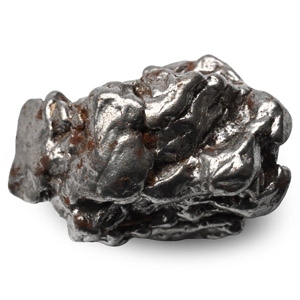
Campo Del Cielo Meteorite
Fell 6000-5000 years B.P.Sold for (Inc. bp): £72
A nickel-iron meteorite (IAB). 26.6 grams, 28 mm
Ex Lincolnshire, UK, collection.
