
Loading, please wait...
LOT 1354
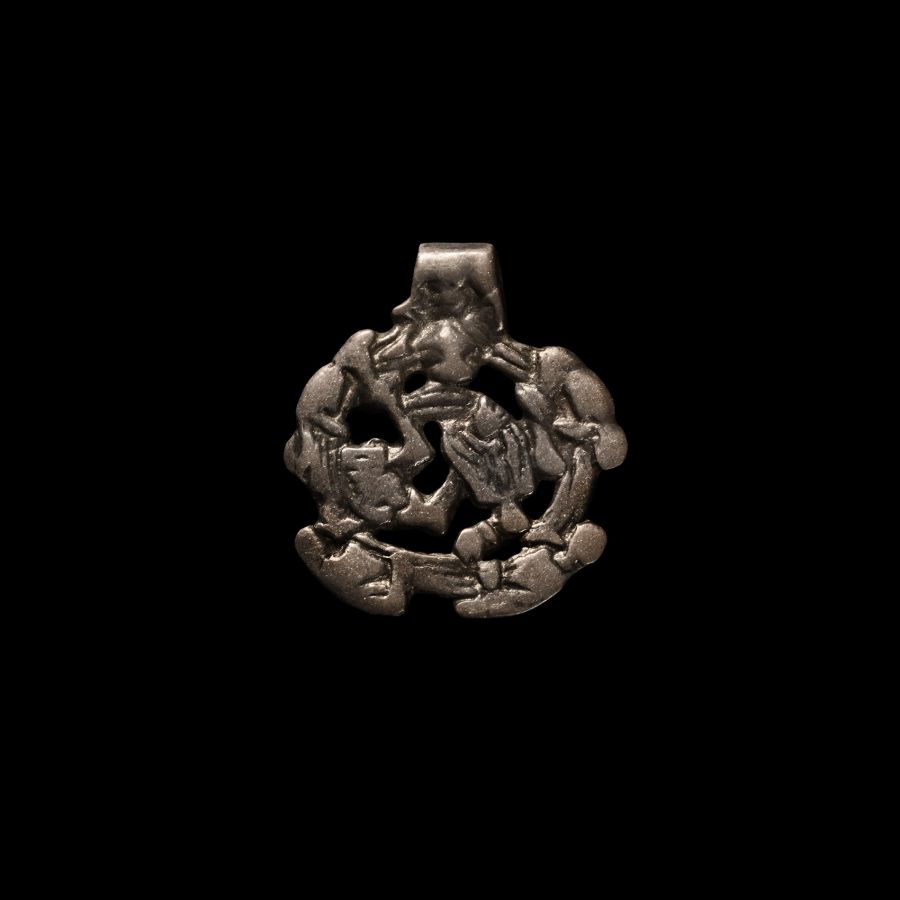
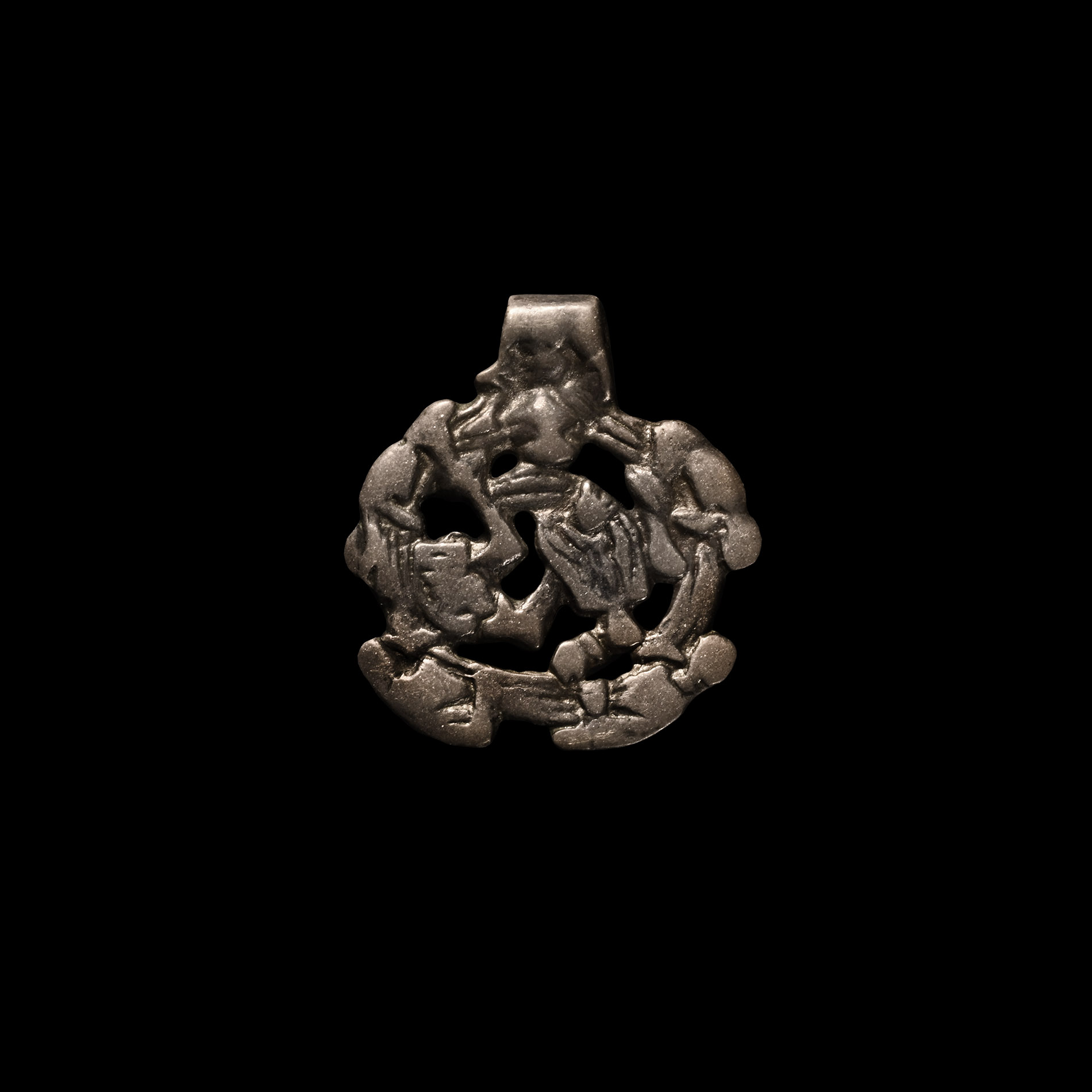
Scandinavian Viking Silver Gripping Beast Pendant
LATE 10TH-EARLY 11TH CENTURY A.D.
1 1/4 in. (4.7 grams, 32 mm).
Of Riddarholmen type (also widespread in the historical Rus region), with integral loop; the openwork plaque with banded border and four panels, internal stylised zoomorph with hatched panel to the hip, gripping three-fingered hands to the body and border, two detailed feet, clearly visible facing mask below the loop with pellet eyes. [No Reserve]
ProvenanceFrom the collection of a North American gentleman, formed in the 1990s.
LiteratureCf. Korshyn, V.E., Yazicheskiye Priveski Drevniye Rusi X-XIV Vekov, Moscow, 2013, items K.2.01-03.
CONDITIONTimeLine Auctions follows a vetting process to ensure the authenticity and legality of all items, reinforcing our commitment to integrity and responsible trading. Each antiquity, antique, and coin lot undergoes thorough examination by a vetting committee of at least ten external specialists, professional trade association members, scientists, and archaeologists: Our Vetting Process
AUCTIONS:
TimeLine is a leading auction house specialising in antiquities, ancient art, collectables, natural history, coins, medals, and books. Our auctions offer museums, collectors, historians, and enthusiasts the opportunity to acquire unique and historically significant pieces.
-
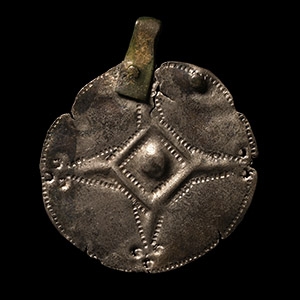
Viking Age Silver Disc Pendant with Cross and Trefoil Ends
9th-11th century A.D.Sold for (Inc. bp): £78
Formed using repoussé technique, punched squares tracing the outlines of the cross and central lozenge; possibly later applied suspension loop. 2.17 grams, 38 mm
From the collection of a North American gentleman, formed in the 1990s. -
.jpg)
Viking Age Gilt Bronze Boar's Head Brooch
10th-11th century A.D.Estimate: £600 - 800 (‡+bp*)
Opening Bid: £300
Retaining an articulate pin to reverse and geometric detailing to each face. 37 grams, 48 mm
From the collection of a North American gentleman, formed in the 1990s. -
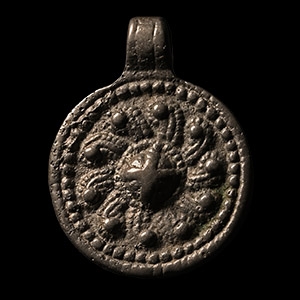
Viking Age Bronze Sun Whorl Pendant
9th-11th century A.D.Sold for (Inc. bp): £130
Featuring an integral suspension loop, sun whorls within border in relief. 11.9 grams, 37 mm
From the collection of a North American gentleman, formed in the 1990s.
