
Loading, please wait...
LOT 1738
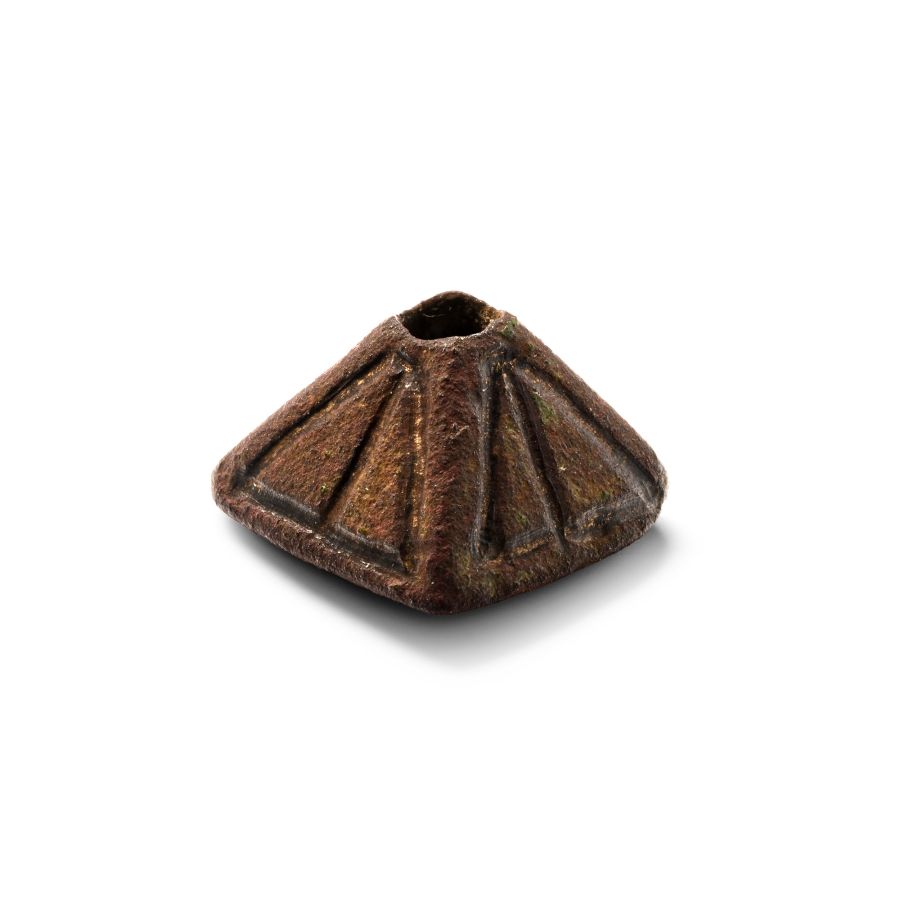
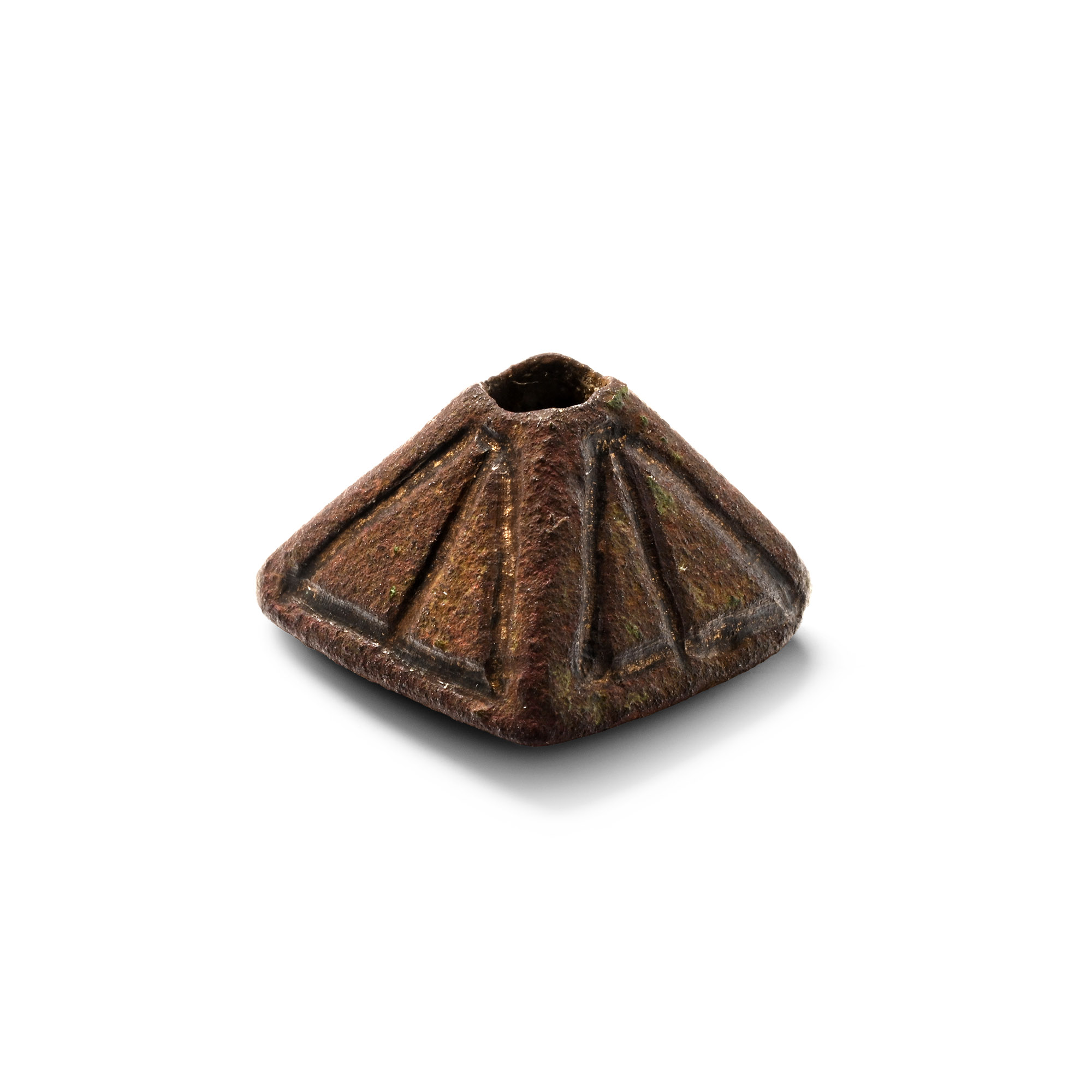
Saxon Pseudo Sword Pyramid Apex Mount
CIRCA 6TH CENTURY A.D.
5/8 in. (9.64 grams, 17.4 mm).
Pyramidal in form with incised segmentation to each face; open at the apex, underside solid. [No Reserve]
ProvenanceFrom the collection of a Buckinghamshire, UK, collector established from the earlier 1960s.
CONDITIONTimeLine Auctions follows a vetting process to ensure the authenticity and legality of all items, reinforcing our commitment to integrity and responsible trading. Each antiquity, antique, and coin lot undergoes thorough examination by a vetting committee of at least ten external specialists, professional trade association members, scientists, and archaeologists: Our Vetting Process
AUCTIONS:
TimeLine is a leading auction house specialising in antiquities, ancient art, collectables, natural history, coins, medals, and books. Our auctions offer museums, collectors, historians, and enthusiasts the opportunity to acquire unique and historically significant pieces.
-
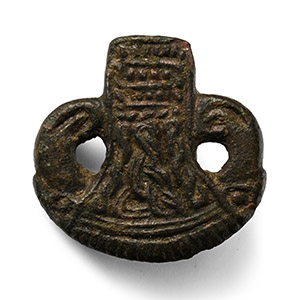
Anglo-Saxon Brooch Terminal with Ravens
6th century A.D.Sold for (Inc. bp): £117
Pelta-shaped with plaque with median panel of knotwork and pellets, flanking addorse bird-heads each with pellet eye and hooked beak; attachment lugs to reverse. 5.15 grams, 22 mm
Found Gloucestershire, UK.
Plaques of this type were made as separate castings to be affixed to the three radiating arms of the cruciform brooch. -
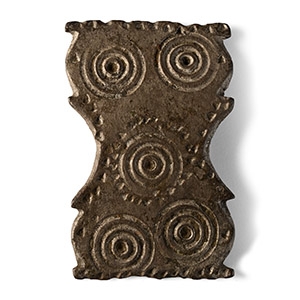
Anglo-Saxon Tinned Bronze Gusset Plate
6th century A.D.Sold for (Inc. bp): £26
Gently curved plaque with median waist, five punched concentric roundels with punched triangles to the borders. 4.46 grams, 32 mm
Found Gloucestershire, UK.
The plate is not of the standard triangular form and appears to be broken at one end; the stamped ornament has parallels in 5th-6th century brooches and mounts. -
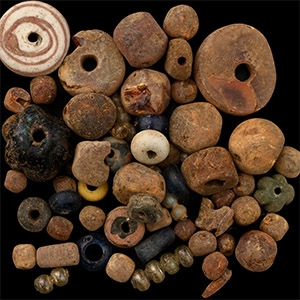
Anglo-Saxon Glass and Amber Necklace Bead Group.
Late 5th-6th century A.D.Sold for (Inc. bp): £364
Including oblate, melon, annular and other types. 32 grams total, 5-23 mm
Found Seaham, Co Durham, UK. Property of a Durham private collector.
