
Loading, please wait...
LOT 1624
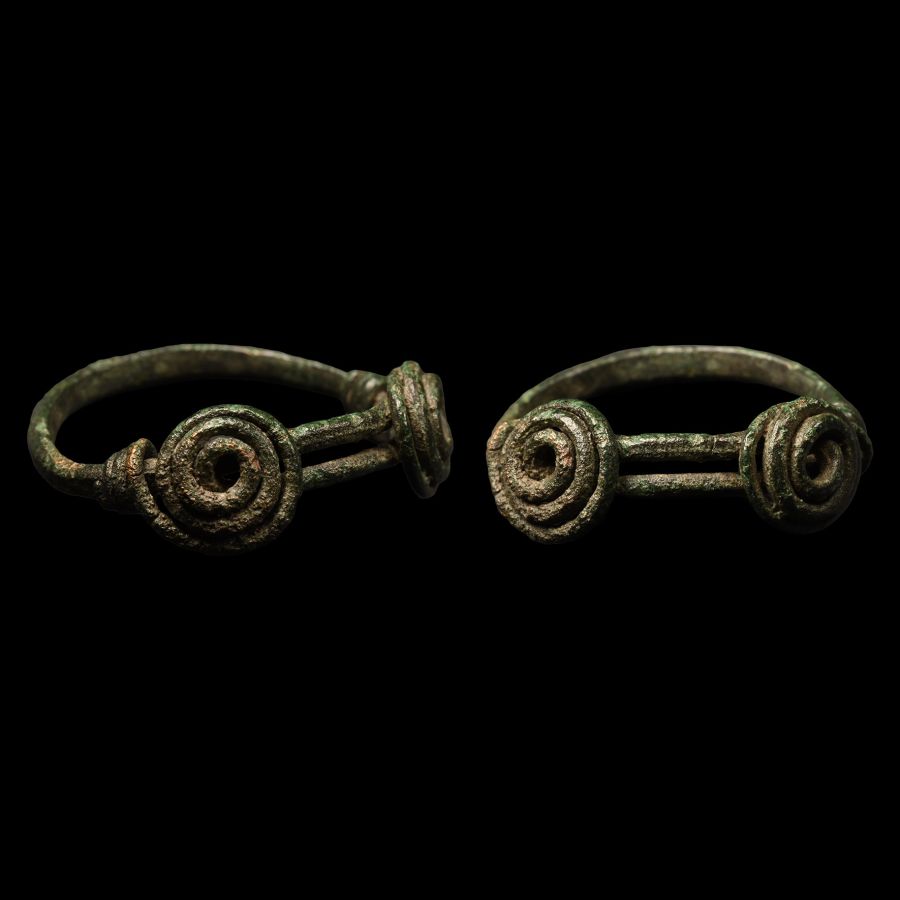
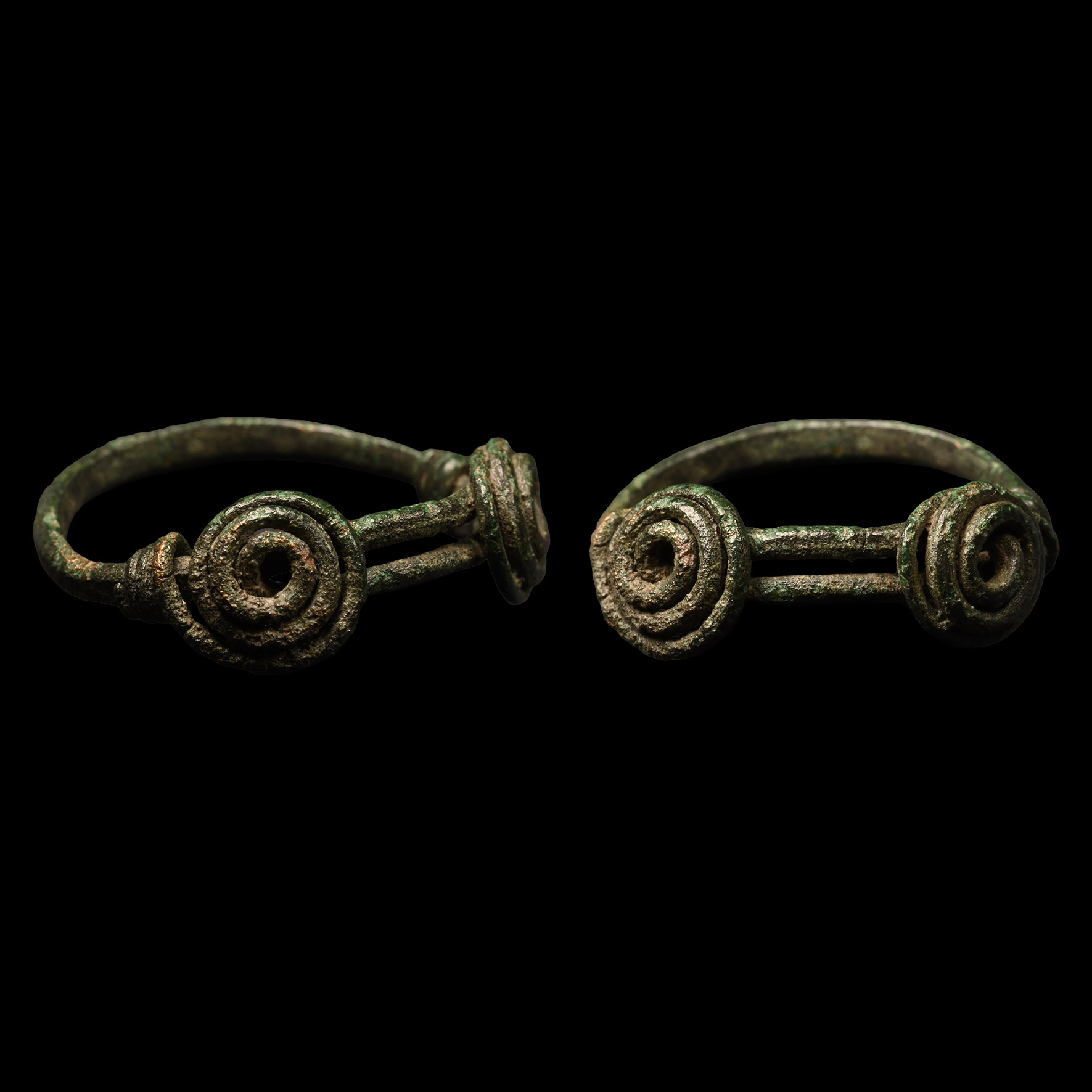
Saxon Bronze Ring with Double Coiled Bezel
6TH-7TH CENTURY A.D.
3/4 in. (1.44 grams, 19.34 mm overall, 15.92 mm internal diameter (approximate size British G, USA 3 1/4, Europe 4.92, Japan 4)).
Formed as a hoop developing to thin wire finials ciled to form two bezels and wound about the shank. [No Reserve]
ProvenanceEx German art market, 2000s.
Acquired from an EU collector living in London.
From the collection of Surrey, UK, gentleman.
TimeLine Auctions follows a vetting process to ensure the authenticity and legality of all items, reinforcing our commitment to integrity and responsible trading. Each antiquity, antique, and coin lot undergoes thorough examination by a vetting committee of at least ten external specialists, professional trade association members, scientists, and archaeologists: Our Vetting Process
AUCTIONS:
TimeLine is a leading auction house specialising in antiquities, ancient art, collectables, natural history, coins, medals, and books. Our auctions offer museums, collectors, historians, and enthusiasts the opportunity to acquire unique and historically significant pieces.
-

Anglo-Saxon Glass Bead Group
6th-8th century A.D.Sold for (Inc. bp): £195
Including seed beads, annular, oblate, tear-shaped and other types. 17.2 grams total, 3-16 mm
Found on an Anglo-Saxon site in Suffolk, UK. Acquired at Birmingham Coin & Antiquities Fair, 2007. Ian Wilkinson collection, Nottinghamshire, UK. -

Anglo-Saxon 'Thames' Bronze Hook Fastener Collection
8th-9th century A.D.Sold for (Inc. bp): £338
Including three discoid hooked tags with incised cross design, two triangular hooked tags and other types. 4.59 grams total, 15-30 mm
Found Billingsgate spoil from the Thames foreshore, London, UK, circa 1984. Property of an Essex collector. -
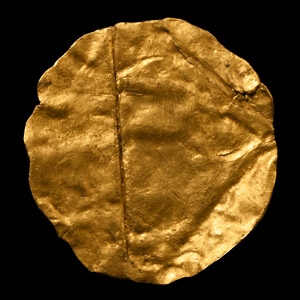
Saxon Gold Jewel Backing Disc
6th-8th century A.D.Sold for (Inc. bp): £98
Thin foil panel, possibly used as the backing to mount a jewel. 1.16 grams, 20 mm
From an old English collection. Acquired from Spink, York, circa 1986. Ian Wilkinson collection, Nottinghamshire, UK.
The foil is unlikely to have been used as a backing for a garnet cloison or cabochon since it is almost flat, but it may have been intended for treatment with the waffle-pattern texture normally used to mount such jewels.
