
Loading, please wait...
LOT 0232
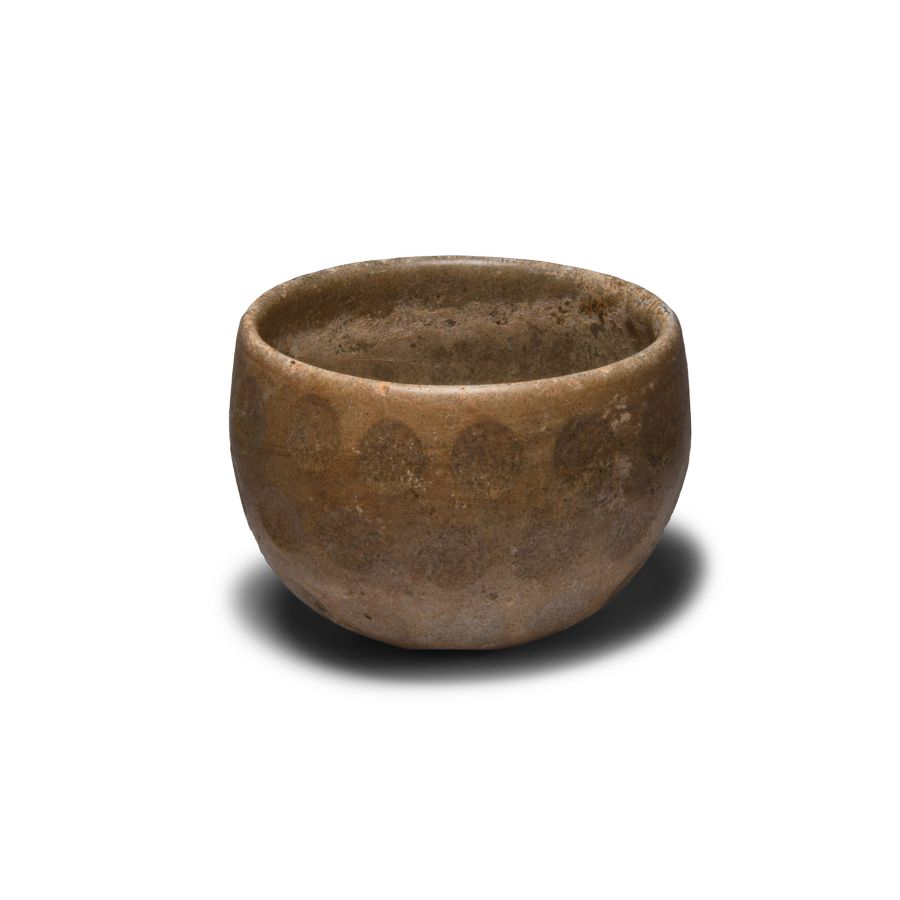
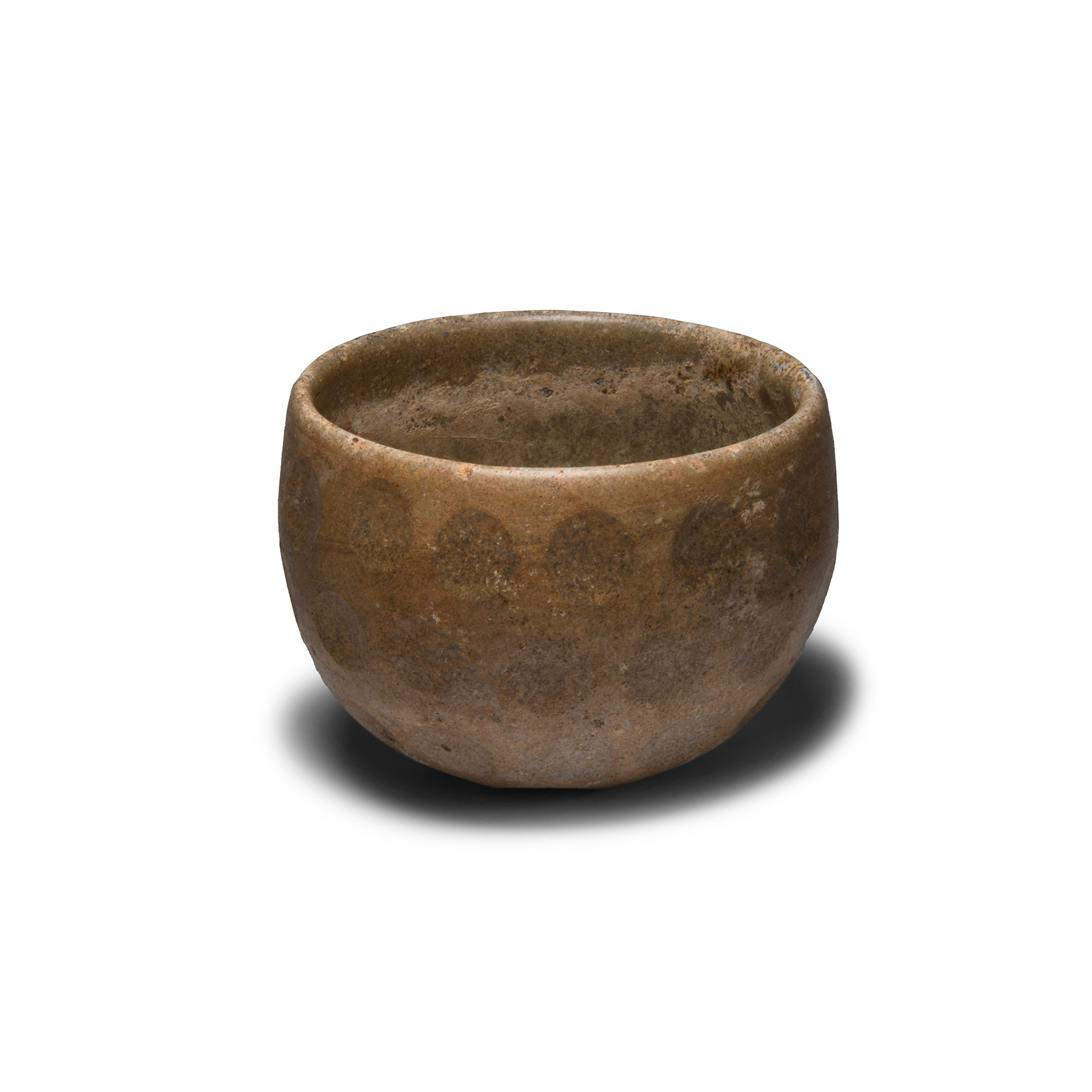
Sassanian Opaque Cut Glass Cup
CIRCA 4TH-5TH CENTURY A.D.
4 1/8 in. (269 grams, 10.4 cm wide).
Of hemispherical form, decorated with four tiers of wheel-cut oval-shaped dimples.
ProvenanceAcquired 1990s-early 2000s.
East Anglian private collection.
Cf. The Metropolitan Museum, accession number 59.34, for similar.
CONDITIONTimeLine Auctions follows a vetting process to ensure the authenticity and legality of all items, reinforcing our commitment to integrity and responsible trading. Each antiquity, antique, and coin lot undergoes thorough examination by a vetting committee of at least ten external specialists, professional trade association members, scientists, and archaeologists: Our Vetting Process
AUCTIONS:
TimeLine is a leading auction house specialising in antiquities, ancient art, collectables, natural history, coins, medals, and books. Our auctions offer museums, collectors, historians, and enthusiasts the opportunity to acquire unique and historically significant pieces.
-
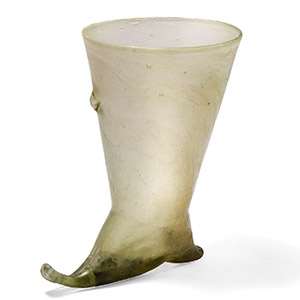
Sassanian Glass Rhyton-Style Vessel
Circa 3rd-5th century A.D.Estimate: £450 - 650 (+bp*)
Opening Bid: £243
The tapering sidewalls and foot formed as a stylised shoe or boot; iridescent surfaces. 86 grams, 11.2 cm high
French collection, 1960s-early 2000s. From an important Paris gallery, France. with Vermot & Associés, Paris, France, 16 November 2019, lot 44. -
.jpg)
Western Asiatic Bronze Openwork Lamp Stand
Circa 12th century A.D.Estimate: £1,000 - 1,400 (+bp*)
Opening Bid: £500
Hollow-formed with openwork bulb to each end and narrow columnar shaft with openwork and calligraphic detailing in low relief; discoid platter with raised rim and pierced lobes, central knotwork motif; tripod base with openwork dome and low-relief scrollwork; repaired. 1.9 kg, 52.5 cm high
with a London, UK gallery 1971-early 2000s. -
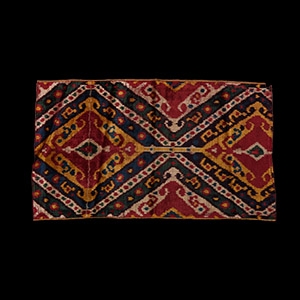
Turkish Velvet Textile Fragment
19th century A.D.Sold for (Inc. bp): £780
Displaying a vibrantly dyed geometric design. 56 grams, 57.5 cm
London, UK, collection.
