
Loading, please wait...
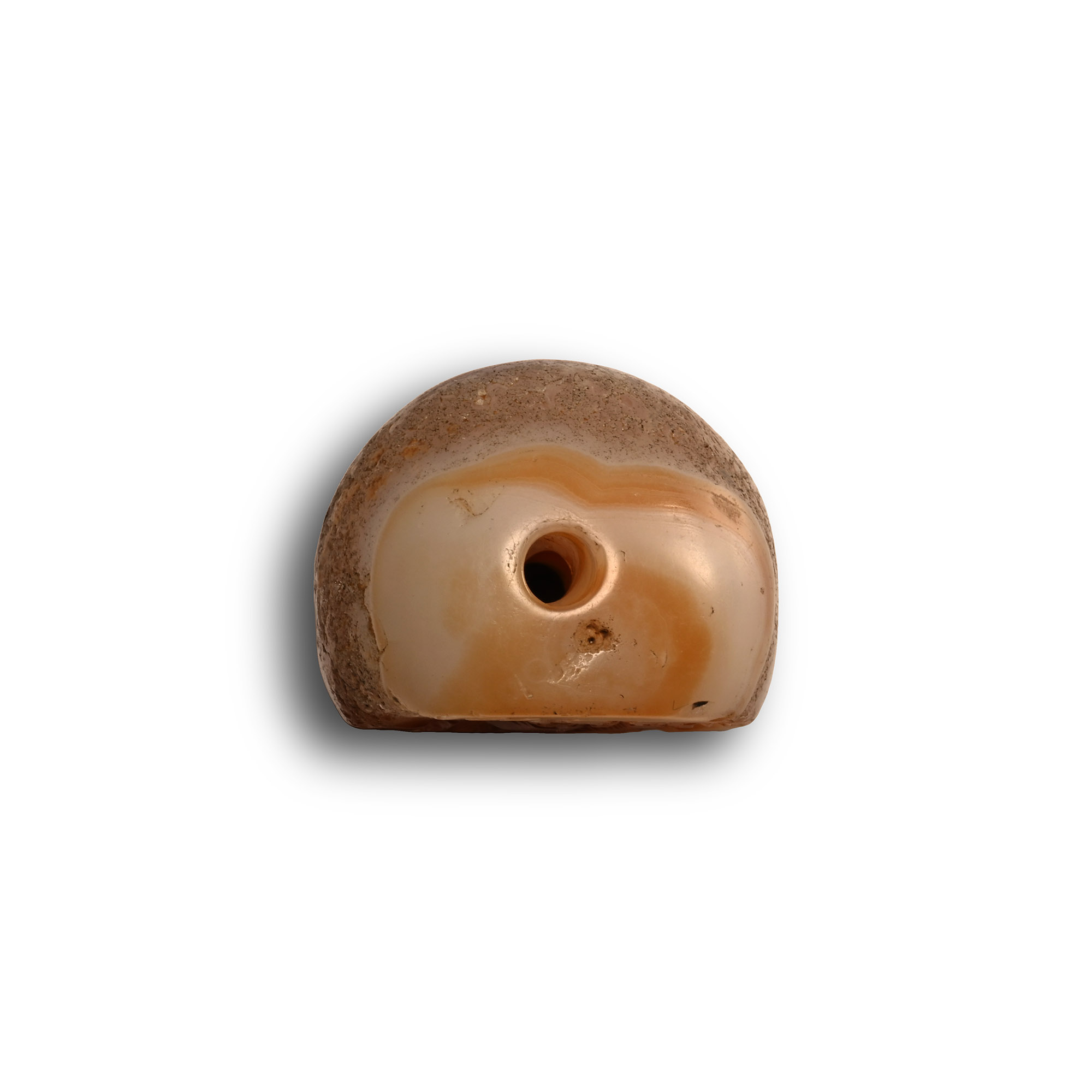
LOT 0242
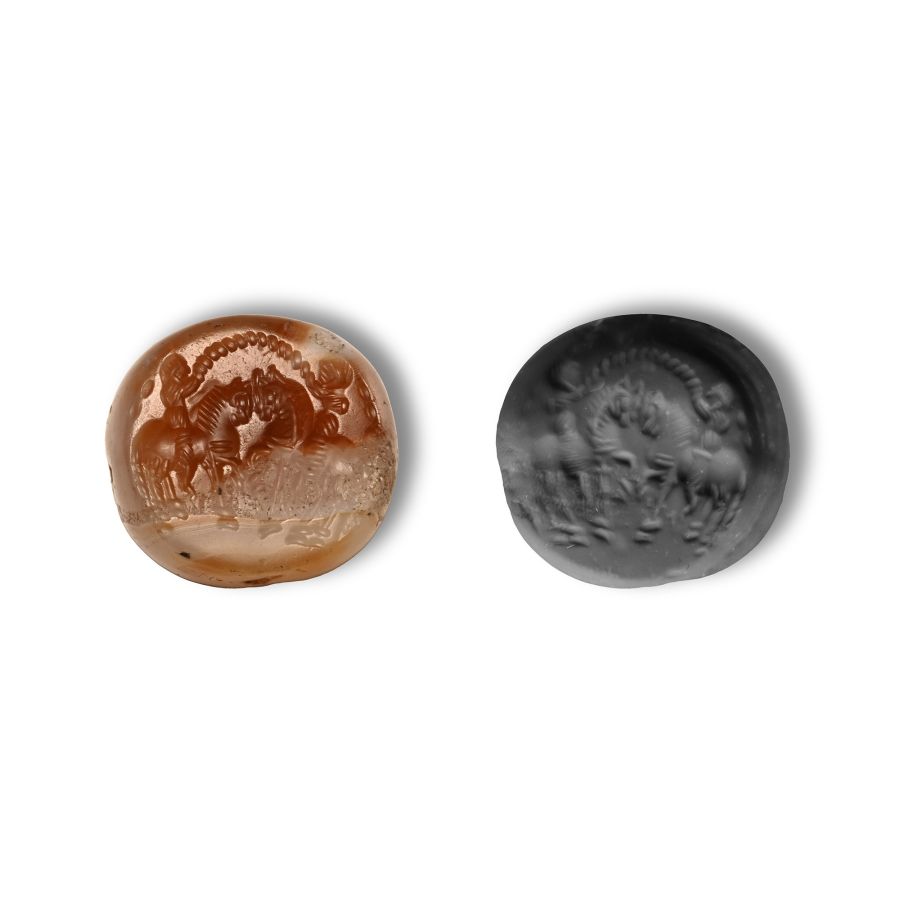
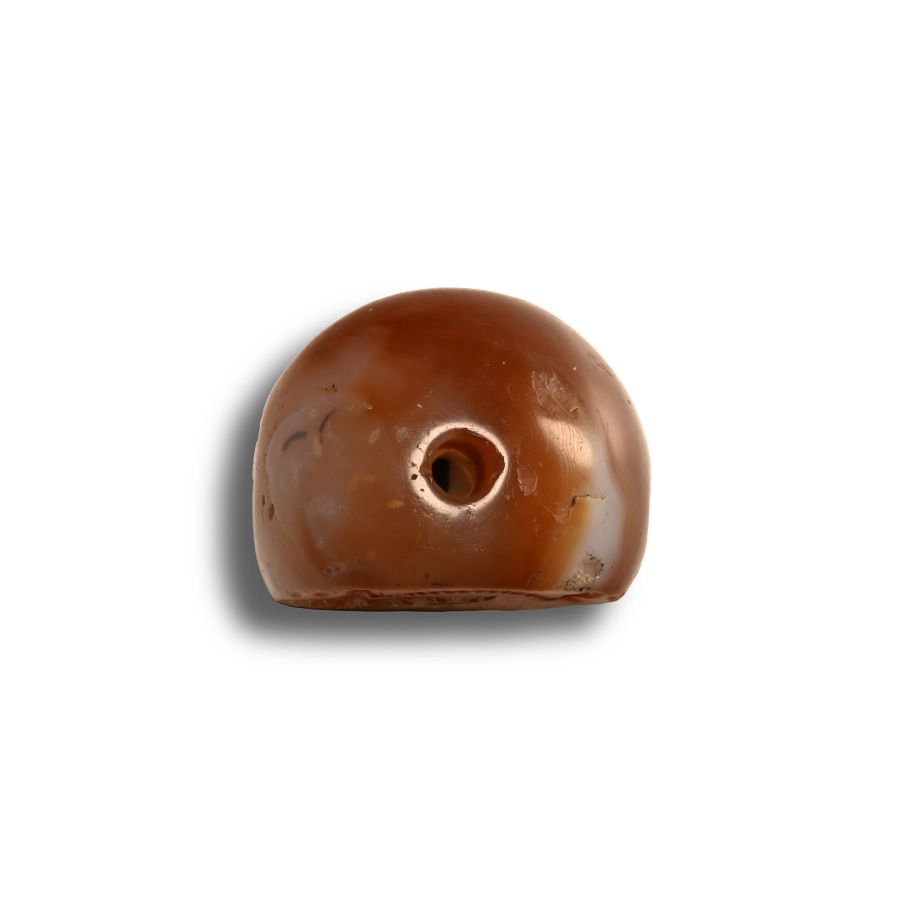
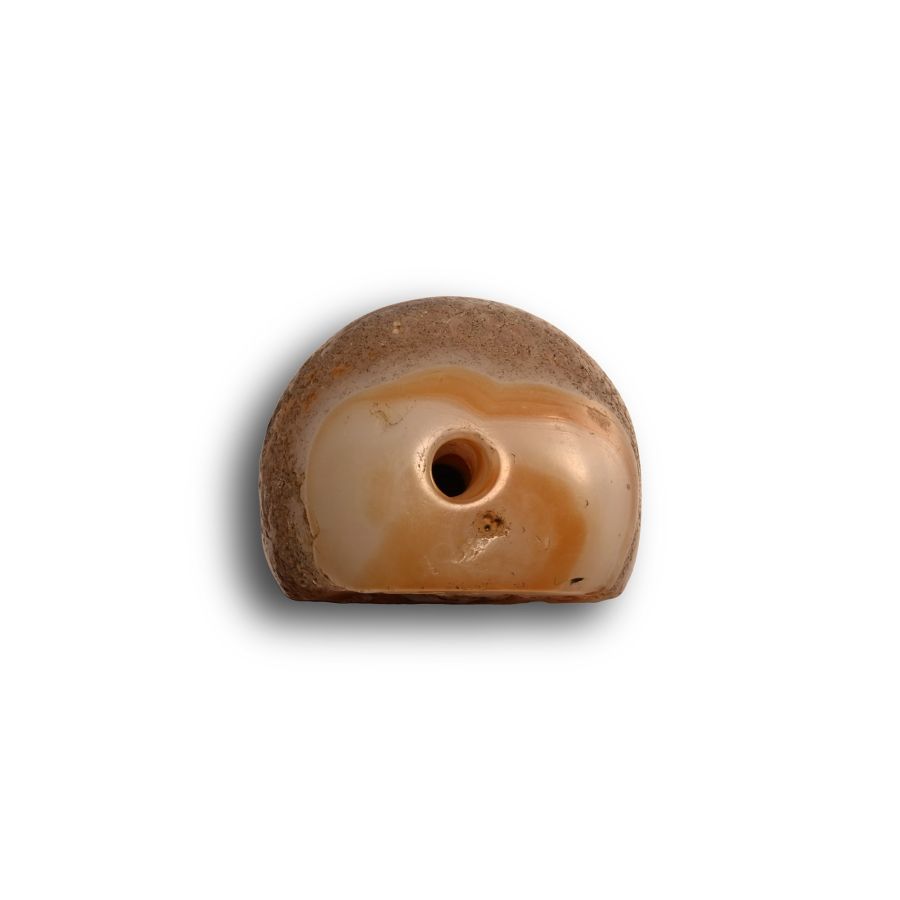
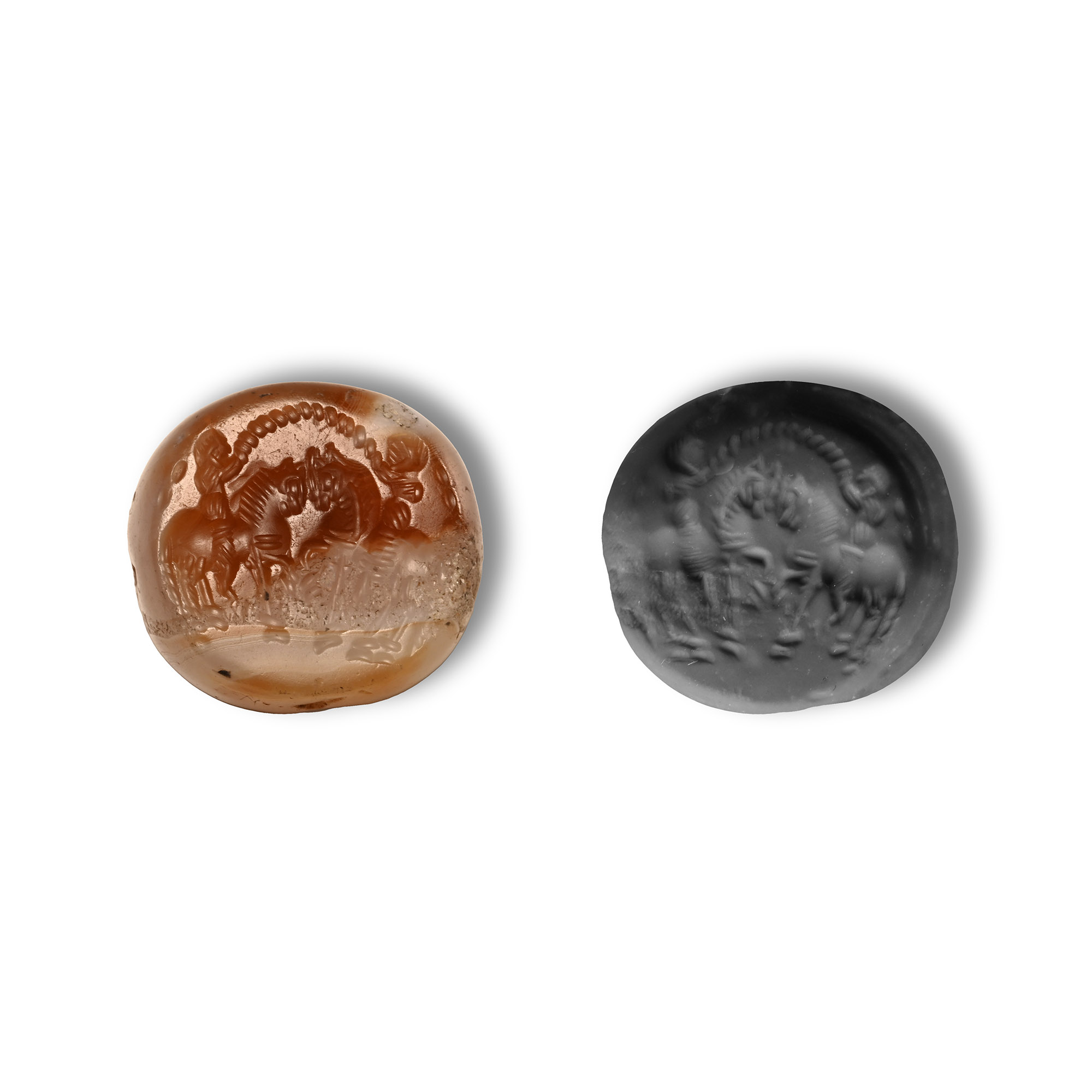
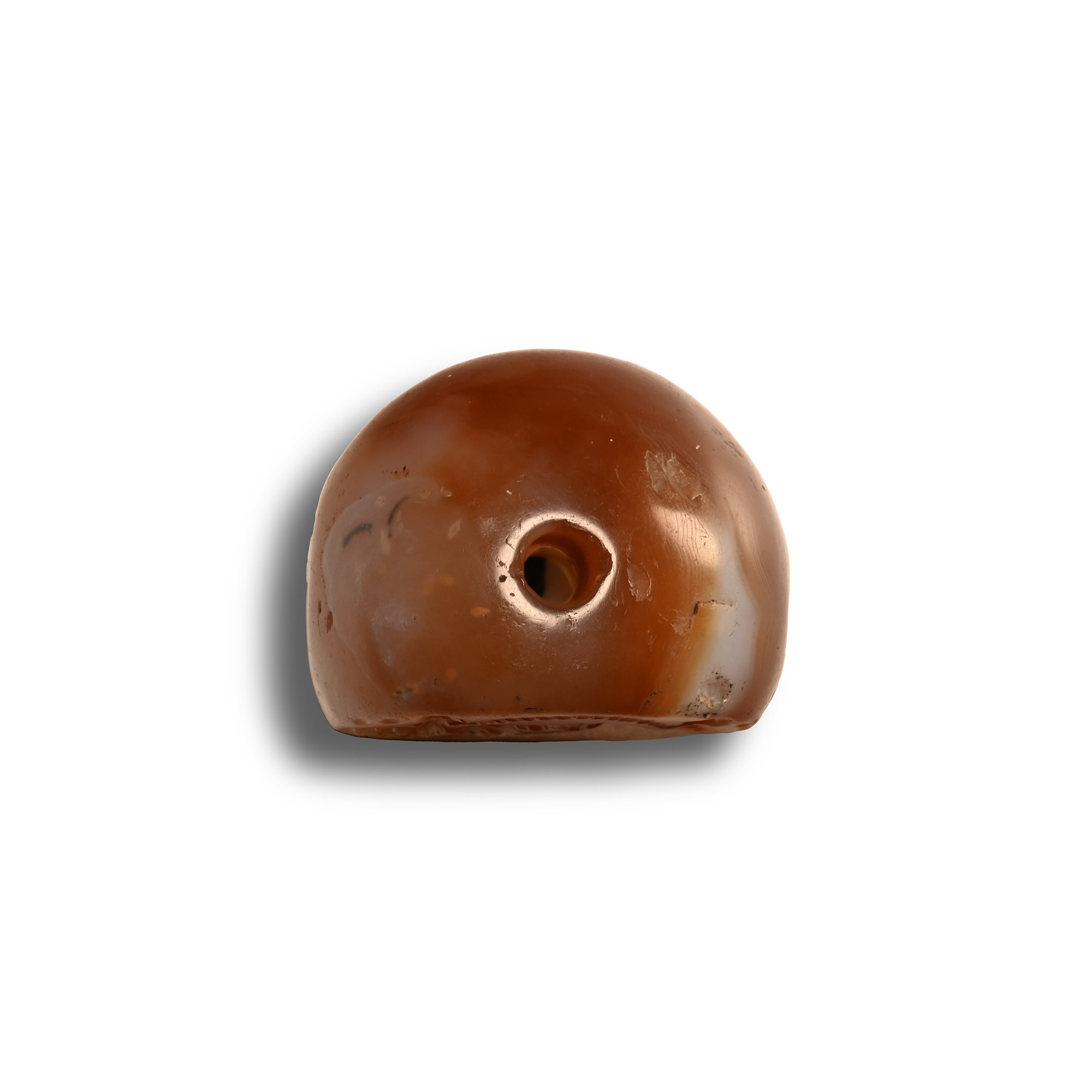
Sassanian Onyx Seal with Two Horses and Riders
4TH-5TH CENTURY A.D.
1 in. (16.37 grams, 24 mm).
Plano-convex seal with intaglio image of two horsemen face-to-face with a segmented arch between them; probably the Sassanian equivalent of the Diskouroi; supplied with a museum-quality impression.
ProvenanceAcquired between 1980-1983.
From the 'Empire' collection, an important UK private collection of seals, no.10.
Accompanied by a copy of an old typed cataloguing page signed by A D H Bivar.
A similar image of two horsemen also appears on a Sassanian silver-gilt dish now in the Metropolitan Museum of Art, New York (accession no.63.152). Alternatively, the image may be of an investiture scene, as shown in the sculpture of Naqsh-i Rustam. Cf. BM Stamp Seals II, reference BL6.
CONDITIONTimeLine Auctions follows a vetting process to ensure the authenticity and legality of all items, reinforcing our commitment to integrity and responsible trading. Each antiquity, antique, and coin lot undergoes thorough examination by a vetting committee of at least ten external specialists, professional trade association members, scientists, and archaeologists: Our Vetting Process
AUCTIONS:
TimeLine is a leading auction house specialising in antiquities, ancient art, collectables, natural history, coins, medals, and books. Our auctions offer museums, collectors, historians, and enthusiasts the opportunity to acquire unique and historically significant pieces.
LOT 0242
Sassanian Onyx Seal with Two Horses and Riders
Estimate £2,000 - 3,000€2,320 - 3,480 (for guidance only)$2,700 - 4,050 (for guidance only)
-
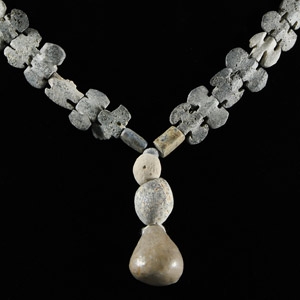
Mesopotamian Hardstone Bead Necklace with Butterfly Beads
4th millennium B.C.Sold for (Inc. bp): £130
Restrung with butterfly-shaped beads, oblate and tubular spacers, teardrop dangle. 27 grams, 31.5 cm
Acquired 1980-2015. Ex Abelita family collection. -
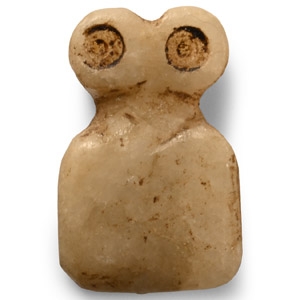
Western Asiatic Stone Eye Idol
4th-3rd millennium B.C. or laterSold for (Inc. bp): £390
With rectangular panel for the body, short neck and two large eyes above each with a socket to accept an insert. 1.5 grams, 19 mm
From the collection of Doctor Girard, a collector for over 60 years. with Hotel des Ventes de Clermont-Ferrand, 22 May 2017. Property of a French collector. -
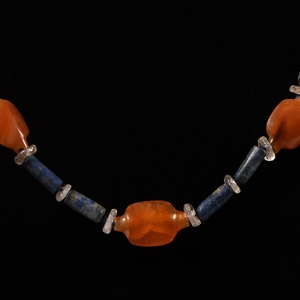
Western Asiatic Lapis Lazuli and Carnelian Bead Necklace
1st millennium B.C. and laterSold for (Inc. bp): £468
A restrung designer necklace composed of cylindrical lapis lazuli beads and seven large orange carnelian beads with extended collars, rock crystal spacer beads in between. 52.2 grams, 68 cm
Ex French gallery, 1970-1990. Paris collection, France.
