
Loading, please wait...
LOT 1316
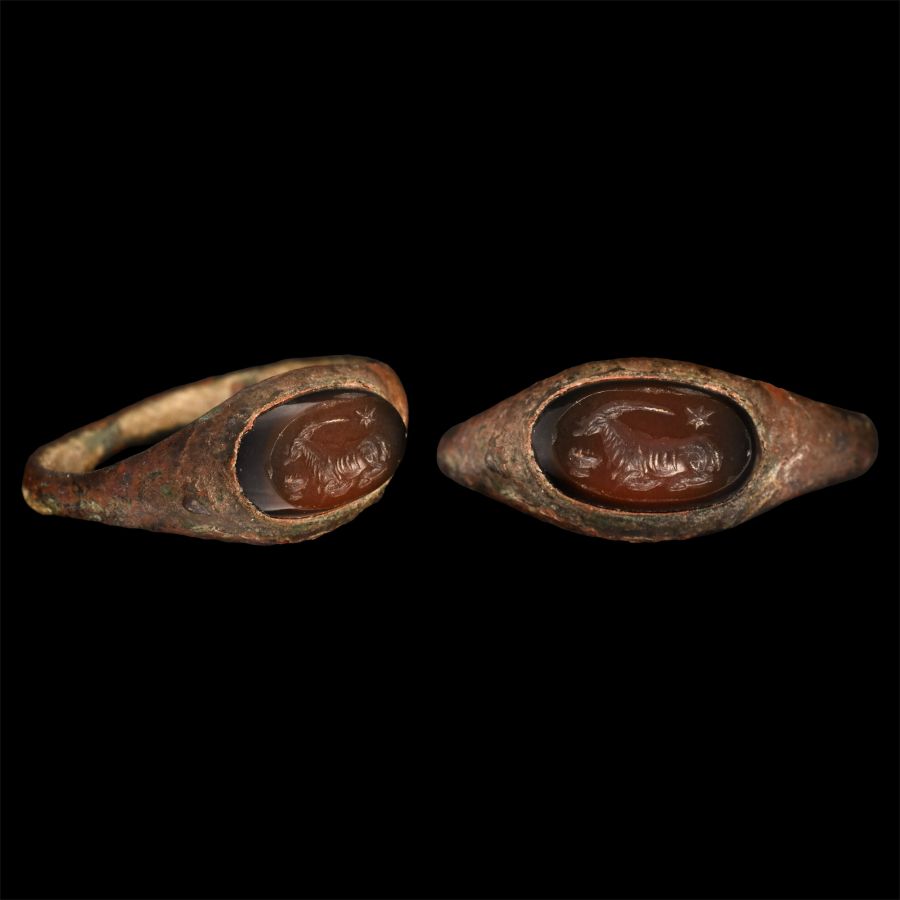
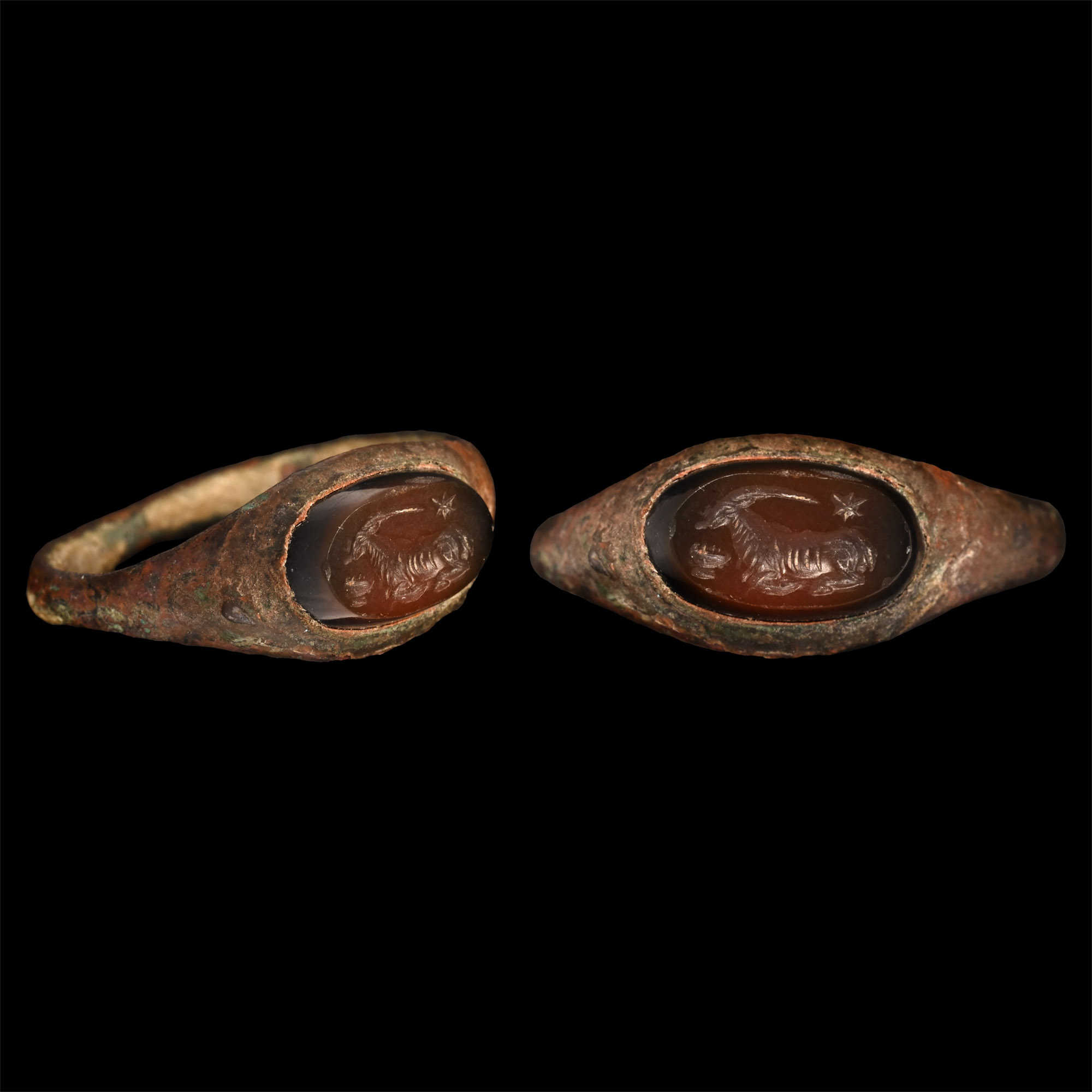
Sassanian Bronze Ring with Ibex Gemstone
5TH-7TH CENTURY A.D.
3/4 in. (3.11 grams, 21.94 mm overall, 18.42 mm internal diameter (approximate size British K 1/2, USA 5 1/2, Europe 10.58, Japan 10)).
With narrow bag-shaped hoop. flared shoulders, plaque with inset agate intaglio ibex in profile with bowl and star above. [No Reserve]
ProvenanceAcquired on the UK art market before 2000.
Property of an Essex, UK, gentleman.
This lot has been cleared against the Art Loss Register database, and is accompanied by an illustrated lot declaration signed by the Head of the Antiquities Department, Dr Raffaele D'Amato.
TimeLine Auctions follows a vetting process to ensure the authenticity and legality of all items, reinforcing our commitment to integrity and responsible trading. Each antiquity, antique, and coin lot undergoes thorough examination by a vetting committee of at least ten external specialists, professional trade association members, scientists, and archaeologists: Our Vetting Process
AUCTIONS:
TimeLine is a leading auction house specialising in antiquities, ancient art, collectables, natural history, coins, medals, and books. Our auctions offer museums, collectors, historians, and enthusiasts the opportunity to acquire unique and historically significant pieces.
-
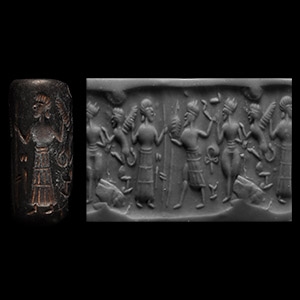
Western Asiatic Steatite Cylinder Seal with Figures
2nd millennium B.C.Sold for (Inc. bp): £416
With frieze depicting opposed standing figures with spears and khopesh, gryphon, ankh and other items; supplied with a museum-quality impression. 7.16 grams, 24 mm
Acquired in 1997. Private collection, Switzerland, thence by descent. Private collection, since the late 1990s. This lot has been cleared against the Art Loss Register database, and is accompanied by an illustrated lot declaration signed by the Head of the Antiquities Department, Dr Raffaele D'Amato. -
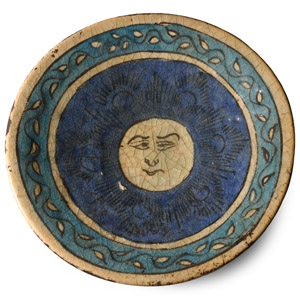
Qajar Glazed Dish with Face
1796-1925 A.D.Sold for (Inc. bp): £260
Cream-glazed with low basal ring, obverse with cerulean ring enclosing a running tendril with reserved leaves, inner dark blue panel with radiating starburst, centre a reserved disc with human mask. 619 grams, 22.5 cm
Acquired from old English collections via the UK art market since the mid 1970s. From the private collection of Peran Dachinger, thence by descent. From the family collection of a Maida Vale lady, UK. This lot has been cleared against the Art Loss Register database, and is accompanied by an illustrated lot declaration signed by the Head of the Antiquities Department, Dr Raffaele D'Amato. -
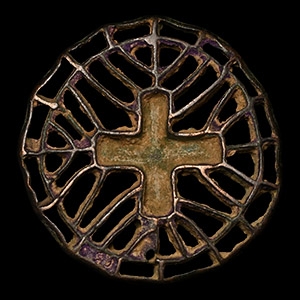
West Central Asian Bronze Stamp Seal Matrix with Greek Cross
Circa 2300-2000 B.C.Sold for (Inc. bp): £117
Circular openwork seal with cross motif; accompanied by typed and signed note by the late W.G. Lambert, Professor of Assyriology at the University of Birmingham, 1970-1993, which states: 'Stamp Seal of Bronze, 44 x 45 x 15 mm. This is round, with flat compartmented and open-work face, and flat back on which a handle of inverted U-shape is mounted. The design consists of a central Greek cross joined to a segmented outer band by a single strut from the middle of the outer arms, and three pairs of struts, two from each arm of the cross, one from the single strut. This comes from west central Asia and dates to c. 2300-2000 B.C. The outer rim is a little dented, but otherwise it is in very good condition and a fine example of its kind.' 22 grams, 45 mm
Ex collection of a late London gentleman, 1990s. Accompanied by an original typed and signed scholarly note by the late W.G. Lambert, Professor of Assyriology at the University of Birmingham, 1970-1993. This lot has been cleared against the Art Loss Register database, and is accompanied by an illustrated lot declaration signed by the Head of the Antiquities Department, Dr Raffaele D'Amato.
