
Loading, please wait...
_900x900.jpg "Samanid Terracotta Ewer")
_200x200.jpg "Samanid Terracotta Ewer")
_900x900.jpg "Samanid Terracotta Ewer")
_200x200.jpg "Samanid Terracotta Ewer")
_900x900.jpg "Samanid Terracotta Ewer")
_200x200.jpg "Samanid Terracotta Ewer")
.jpg "Samanid Terracotta Ewer")
.jpg "Samanid Terracotta Ewer")
.jpg "Samanid Terracotta Ewer")
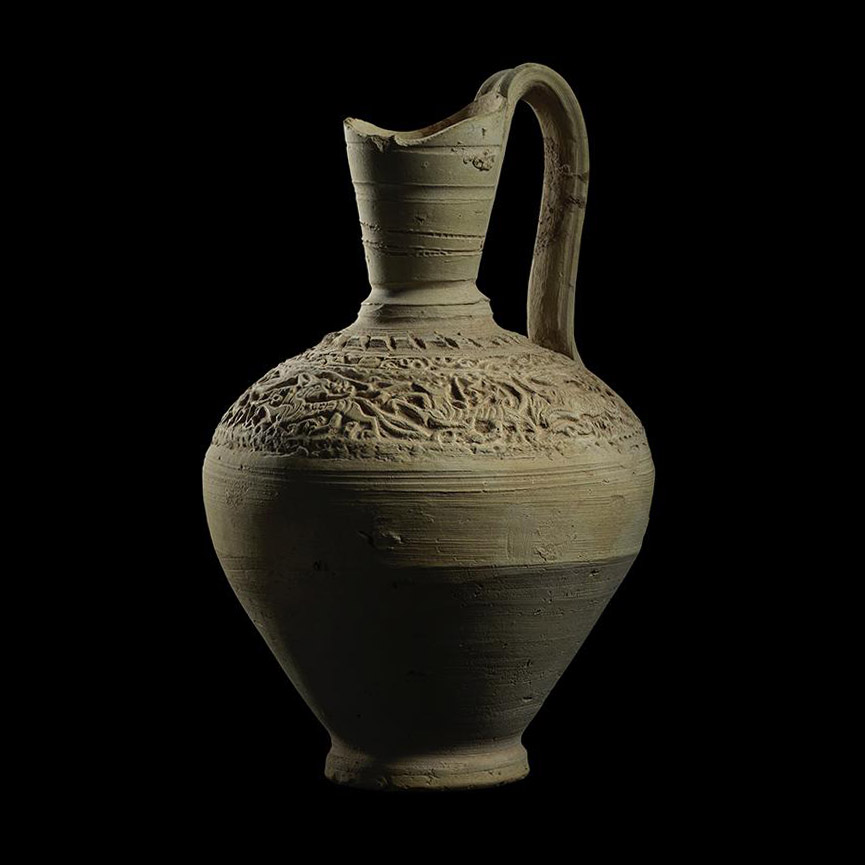
LOT 0322
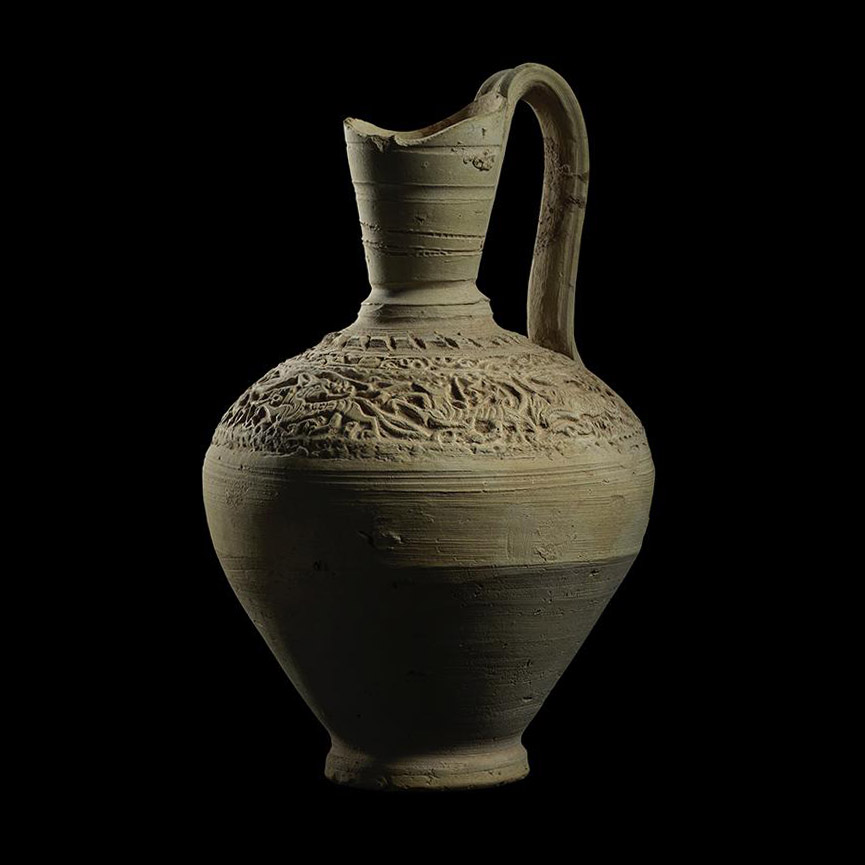
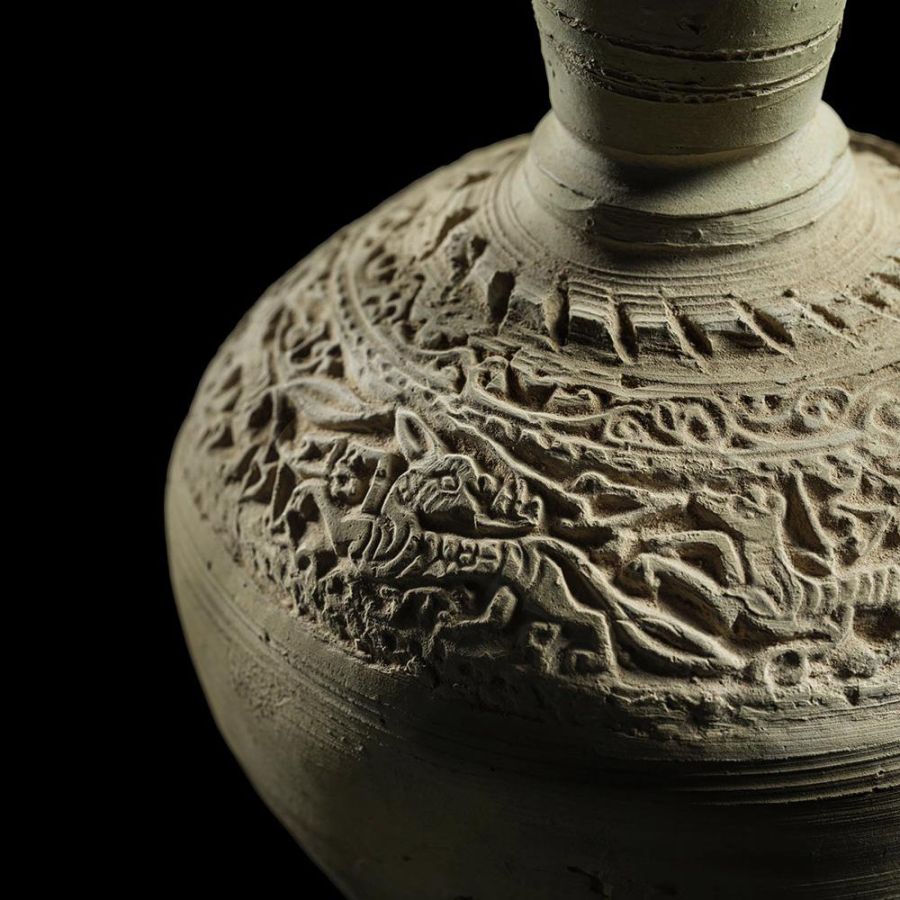
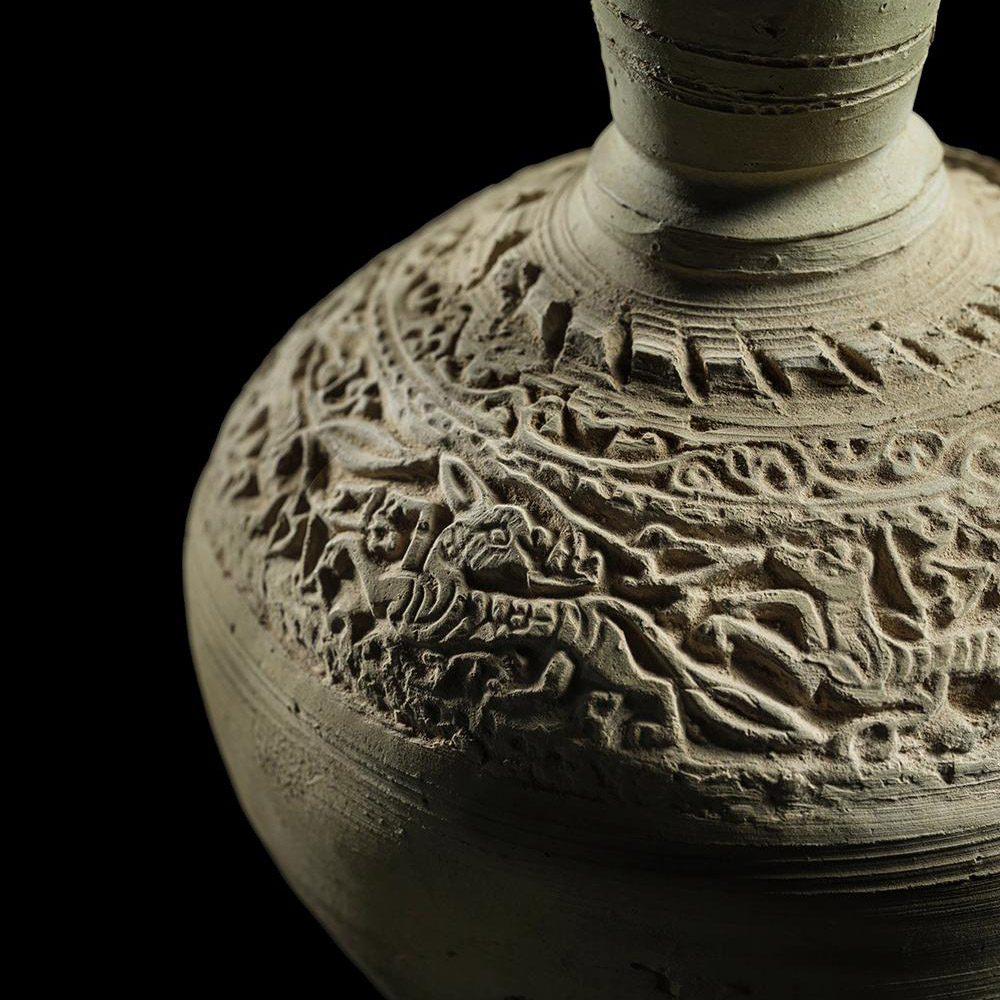
Samanid Terracotta Ewer
9TH-10TH CENTURY A.D.
8 1/2 in. (505 grams, 21.7 cm).
Piriform in profile with flared foot, ropework collar to base of flared neck, high-looped strap handle; shoulder with frieze of fleeing deer and pouncing lions among tendrils and foliage. [No Reserve]
ProvenanceRichard Ettinghausen (1906–1979), Princeton, New Jersey; acquired between the 1930s and 1960s.
Thence by descent to his son, Thomas A.D. Ettinghausen, and retained in the family residence, Princeton, New Jersey, until 2024.
Accompanied by a signed statement of provenance.
Accompanied by a copy of an IADAA Interpol search certificate.
Accompanied by a copy of a previous three page illustrated cataloguing note.
This lot has been cleared against the Art Loss Register database, and is accompanied by an illustrated lot declaration signed by the Head of the Antiquities Department, Dr Raffaele D'Amato.
TimeLine Auctions follows a vetting process to ensure the authenticity and legality of all items, reinforcing our commitment to integrity and responsible trading. Each antiquity, antique, and coin lot undergoes thorough examination by a vetting committee of at least ten external specialists, professional trade association members, scientists, and archaeologists: Our Vetting Process
AUCTIONS:
TimeLine is a leading auction house specialising in antiquities, ancient art, collectables, natural history, coins, medals, and books. Our auctions offer museums, collectors, historians, and enthusiasts the opportunity to acquire unique and historically significant pieces.
-
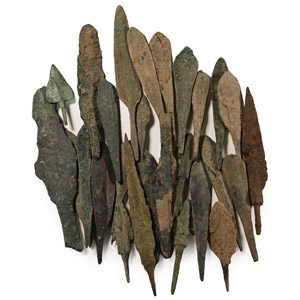
Western Asiatic Bronze Arrowhead Collection
18th-7th century B.C.Estimate: £100 - 140 (+bp*)
Opening Bid: £56
Including triangular, leaf-shaped, barbed, paddle-shaped arrowheads with a flat, comparatively wide mid-rib, and others. 205 grams total, 37-93 mm
Ex London art market, 1980-1990s. This lot has been cleared against the Art Loss Register database, and is accompanied by an illustrated lot declaration signed by the Head of the Antiquities Department, Dr Raffaele D'Amato.
Fourteen arrowheads of this group were typical of the Old Babylonian Empire. The shoulders were pronounced and the arrowhead had a rectangular-section tapering tang. This simple form was popular throughout and show comparative common finds in the Holy Land. -
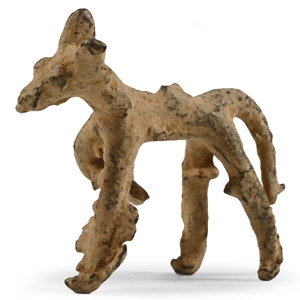
Western Asiatic Bronze Animal Figure
2nd-1st millennium B.C.Sold for (Inc. bp): £98
Modelled in the round with one foreleg raised. 26.8 grams, 52 mm
Acquired in the 1990s. Ex Abelita family collection. This lot has been cleared against the Art Loss Register database, and is accompanied by an illustrated lot declaration signed by the Head of the Antiquities Department, Dr Raffaele D'Amato. -
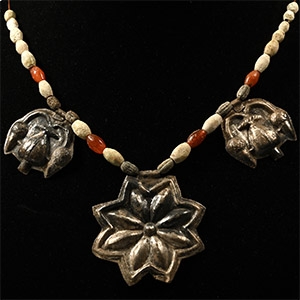
Elamite Carnelian Necklace with Pendants
Late 2nd-early 1st millennium B.C.Estimate: £600 - 800 (+bp*)
Opening Bid: £300
Restrung necklace of biconvex carnelian, limestone and other beads with large sheet-silver repoussé octofoil pendant and two smaller repoussé plaques with vase-and-buds motif. 36.3 grams, 49 cm long
Acquired before 1983. Ex London gallery, 1990s. This lot has been cleared against the Art Loss Register database, and is accompanied by an illustrated lot declaration signed by the Head of the Antiquities Department, Dr Raffaele D'Amato.
