
Loading, please wait...
LOT 0922
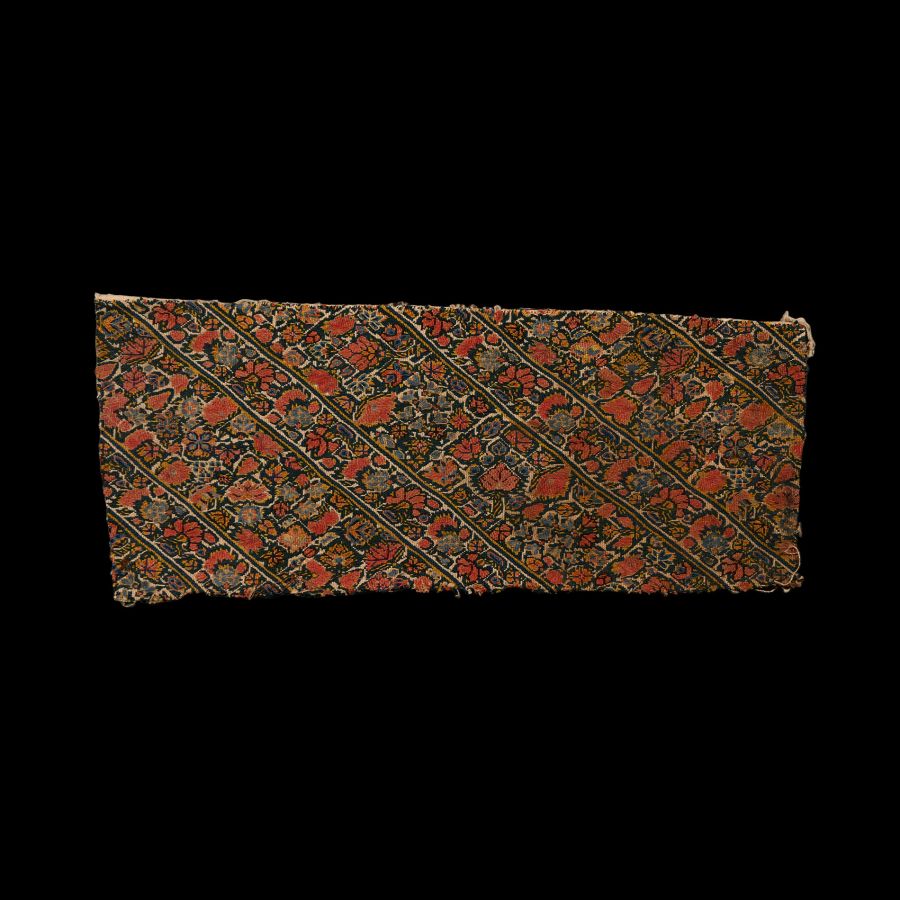
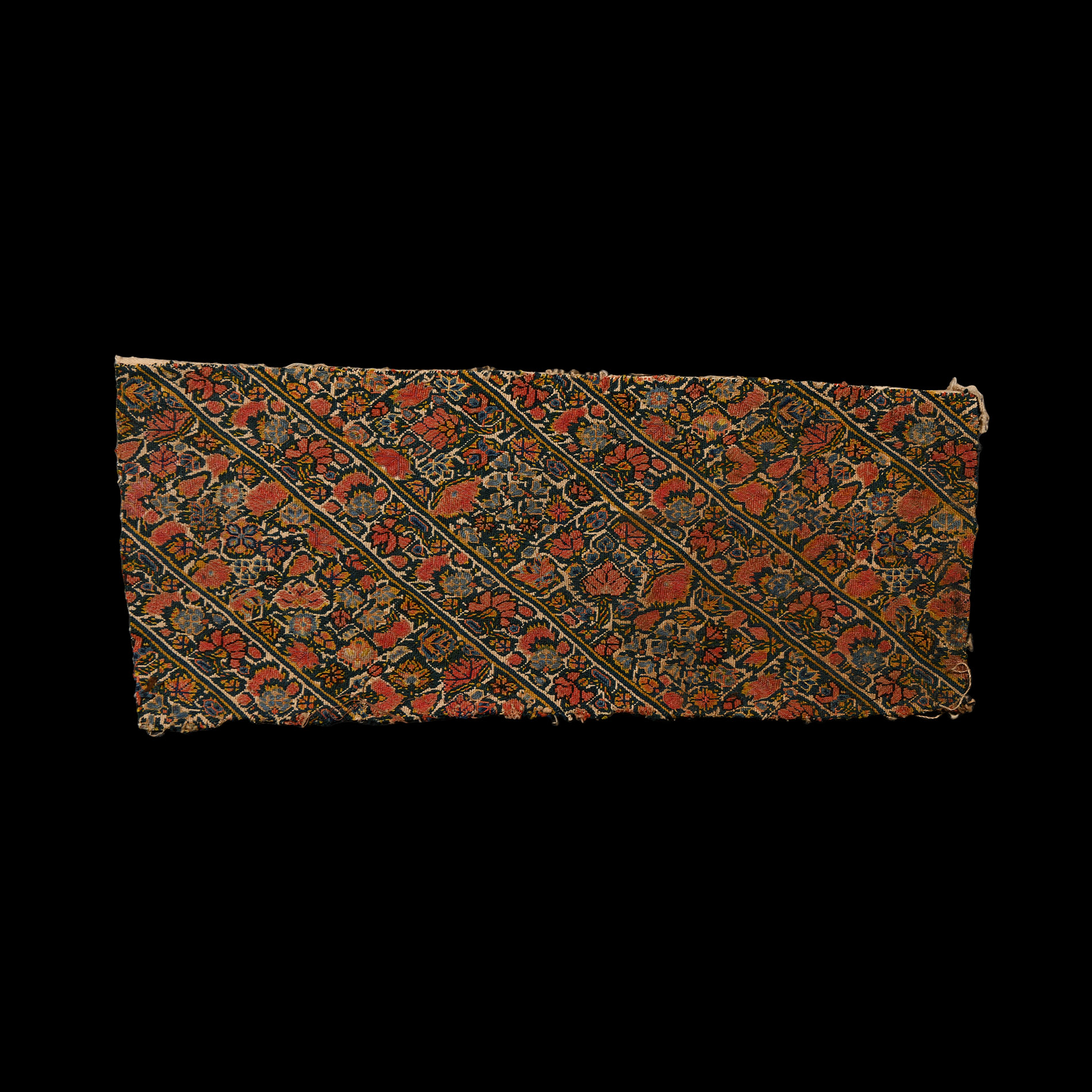
Safavid Textile Fragment
17TH CENTURY A.D.
16 1/2 in. (53 grams, 42 cm).
Rectangular panel of with bands of dense floral motifs with plain selvedge. [No Reserve]
ProvenanceLondon, UK, collection.
CONDITIONTimeLine Auctions follows a vetting process to ensure the authenticity and legality of all items, reinforcing our commitment to integrity and responsible trading. Each antiquity, antique, and coin lot undergoes thorough examination by a vetting committee of at least ten external specialists, professional trade association members, scientists, and archaeologists: Our Vetting Process
AUCTIONS:
TimeLine is a leading auction house specialising in antiquities, ancient art, collectables, natural history, coins, medals, and books. Our auctions offer museums, collectors, historians, and enthusiasts the opportunity to acquire unique and historically significant pieces.
-
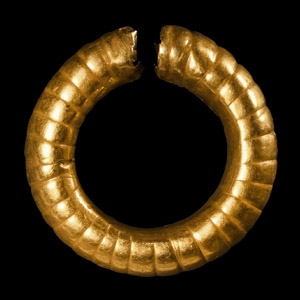
Achaemenid Gold Penannular Hair Ring
Circa 5th century B.C.Sold for (Inc. bp): £494
Composed of a hollow D-section body, decorative vertical grooves around the outer face. 4.83 grams, 32 mm
From the collection of a North American gentleman, formed in the 1990s.
In Achaemenid graves, it is possible to determine if the jewellery contained within belonged to an adult female or a child by its size. The jewellery of the adult women included a wreath, as well as three pairs of boat-shaped earrings, two necklaces, two pendants, four finger rings, and a set of dress ornaments. Children's jewellery pieces usually consisted of only three pairs of earrings and a necklace. -

Sassanian Clay Bulla
Circa 400 A.D.Sold for (Inc. bp): £98
The domed face impressed with a number of seals displaying animal figures together with other designs; possible remains of maker's finger prints in the clay. 65 grams, 50 mm
Acquired by the vendor's father on the UK art market, before 1990. -
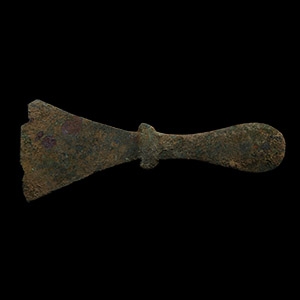
Western Asiatic Bronze Flat Axe
Circa 3rd-2nd millennium B.C.Sold for (Inc. bp): £59
Comprising a wedge-shaped blade and piriform handle. 156 grams, 17.7 cm
UK private collection formed before 2000. Ex North London, UK, gallery.
These blades were fitted directly to the handle or via a sheath. Flat axes, whose axis is parallel to that of the handle, often had a rounded edge like in our specimen, or a flared and bevelled edge, while flat adzes have an axis perpendicular to that of the handle and a bevel edge on one side only. Their shape comes directly from the lithic axes of the Neolithic and Chalcolithic periods.
