
LOT 3116
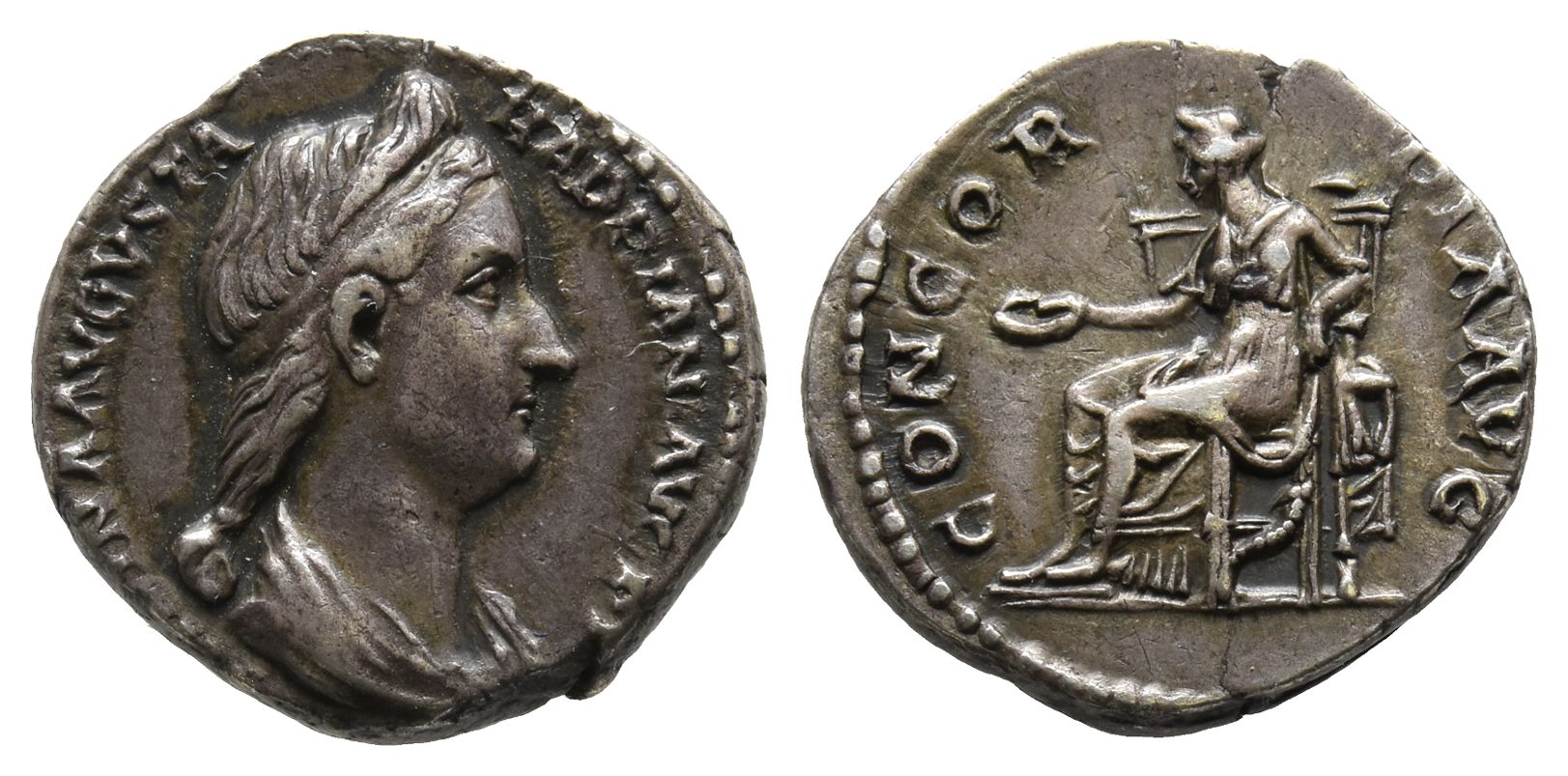
Sabina, Augusta AR Denarius. AD 128-136/7.
Rome mint; struck circa AD 128-134. SABINA AVGVSTA HADRIANI AVG P P, diademed and draped bust to right / CONCOR-DIA AVG, Concordia seated to left, holding patera with her right hand and resting her left arm on statuette of Spes; cornucopia beneath throne. RIC II 398 (Hadrian); RSC 12. Good Very Fine. Amazing old cabinet tone.(3.37gr, 17mm, 6h.).
ProvenanceEx Classical Numismatic Group, Electronic Auction 261, 3 August 2011, lot 255.
TimeLine Auctions follows a vetting process to ensure the authenticity and legality of all items, reinforcing our commitment to integrity and responsible trading. Each antiquity, antique, and coin lot undergoes thorough examination by a vetting committee of at least ten external specialists, professional trade association members, scientists, and archaeologists: Our Vetting Process
AUCTIONS:
TimeLine is a leading auction house specialising in antiquities, ancient art, collectables, natural history, coins, medals, and books. Our auctions offer museums, collectors, historians, and enthusiasts the opportunity to acquire unique and historically significant pieces.
LOT 3116
Sabina, Augusta AR Denarius.
Estimate £600 - 800€700 - 930 (for guidance only)$810 - 1,080 (for guidance only)
-
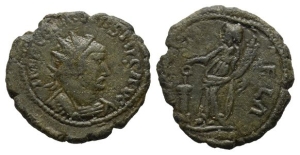
Carausius Romano-British Emperor BI Antoninianus. AD 286-293.
Sold for (Inc. bp): £104
Rotomagus (Rouen) mint. IMP C CARAVSIVS AVG, radiate and cuirassed bust to right / [TVT]-ELA, Tutela standing to left, holding patera and cornucopia; altar to left. RIC V.2 684; Webb 769. 4.17gr, 20mm, 5h.
Near Very Fine.
Found Stafford, Staffordshire, UK. Property of a Manchester, UK, private collector. -
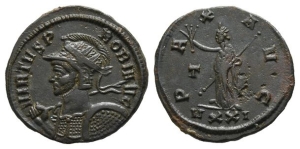
Probus BI Antoninianus. AD 276-282.
Sold for (Inc. bp): £20
Ticinum mint; struck AD 280. 5th officina. VIRTVS PROBI AVG, radiate, helmeted and cuirassed bust to left, holding spear and shield / PAX AVG, Pax standing facing, head to left, holding olive branch and transverse sceptre; T in left field, VXXI in exergue. RIC V.2 517; Pink VI/1, p. 66. 3.74gr, 21mm, 6h.
Good Very Fine.
Property of a North London, UK, gentleman. -
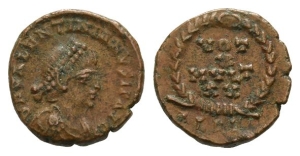
Valentinian II AE 13mm. AD 375-392.
Sold for (Inc. bp): £13
Alexandria mint; struck AD 378-383. D N VALENTINIANVS P F AVG, pearl diademed, draped and cuirassed bust to right / VOT X MVLT XX in four lines within wreath; ALEB(?) below. Cf. RIC IX 13b. 1.41gr, 13mm, 5h.
Very Fine.
Property of a North London, UK, gentleman.
