
Loading, please wait...
LOT 0375
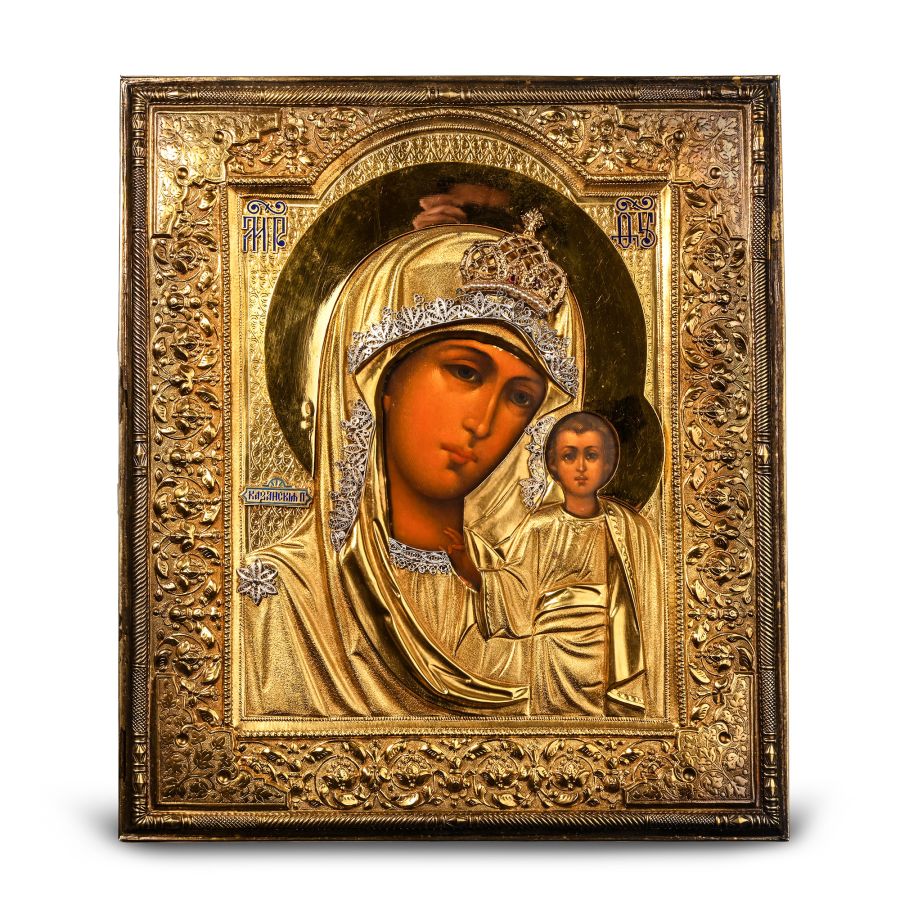
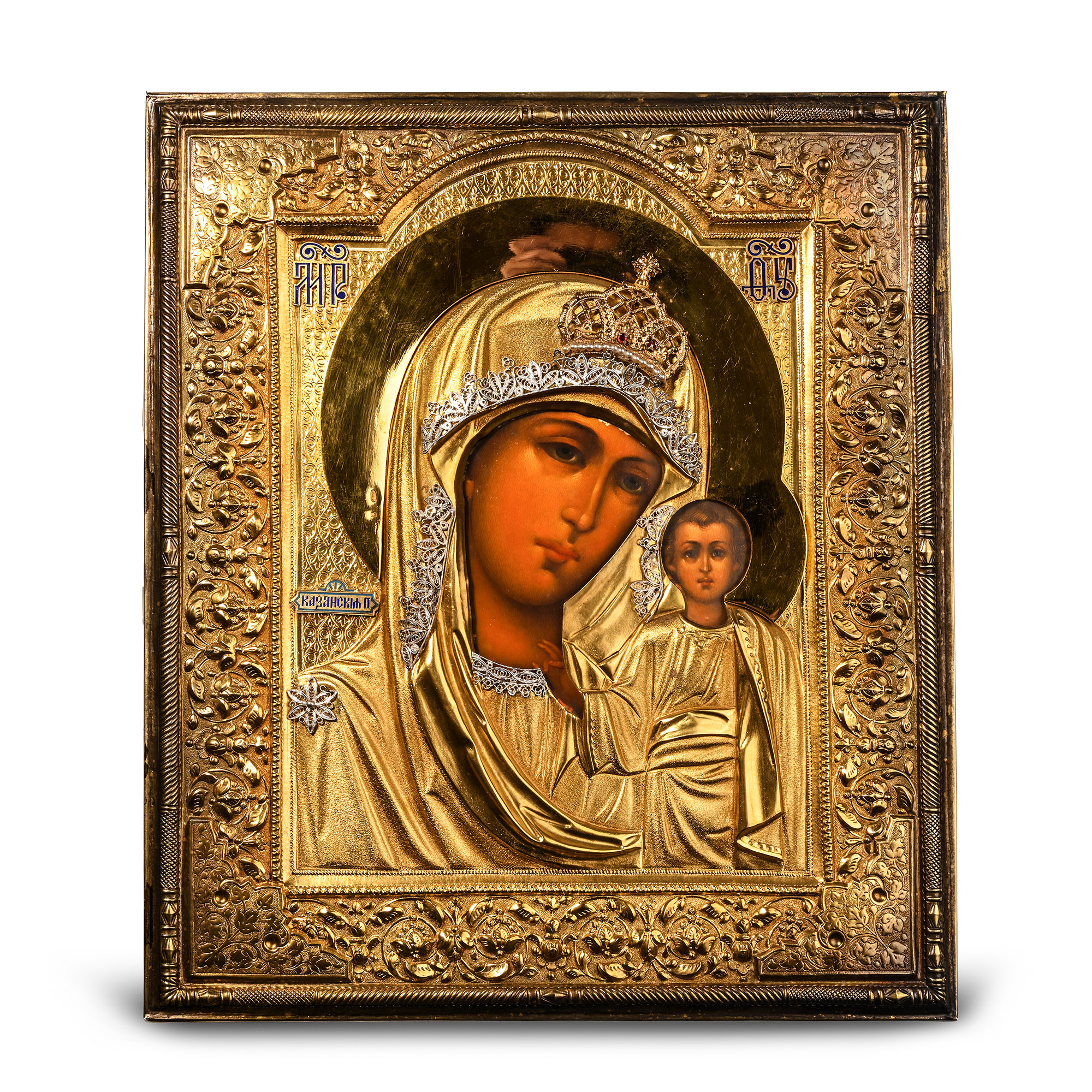
Russian Wooden Icon of the Virgin of Kazan with Silver-Gilt Riza
CIRCA 1890 A.D.
12 3/8 x 10 5/8 in. (1.79 kg, 31.5 x 27 cm).
Head of Mary with gilded nimbus and russet-coloured veil, standing infant Jesus similarly nimbate with right hand raised in blessing gesture; the Virgin, with veiled head and mantle inclined towards Jesus, the head inclined left, wearing a red-gold maphorion mantle with elaborate golden saltires on the shoulders, over a dark blue robe; the infant facing away to left, supported on Mary's right arm, dressed in blue tunic and wrapped in a red orange shawl, right hand extended towards his mother; on right and left of the Virgin’s head Greek inscriptions 'ΜΡ ΘΥ' (Μήτηρ (τοῦ) Θεοῦ = Mother of God) and over the left shoulder of Mary inscription in Cyrillic 'Казанская Богоматерь Б.М.' (Mother of God of Kazan); over the child an inscription in Greek letters 'ΙϹ ΧϹ' (ΙΗϹΟΥϹ ΧΡΙϹΤΟϹ = Jesus Christ); inside the nimbus of Christ three letters (only two visible) representing the continuous divine self-existence of Christ as God (O ѾN = The Only One who always exists); rectangular wooden board with mounting slots to sides; gilt oklad with draped head-covering and garments, filigree ornament to borders, openwork crown with inset red glass jewel and applied calligraphic panels with enamel detailing.
ProvenanceAcquired on the UK art market.
Private collection, London, UK.
Accompanied by an academic report by Dr Raffaele D'Amato.
This lot has been checked against the Interpol Database of stolen works of art and is accompanied by search certificate number no.12925-246336.
See Preobrazhensky, A., ‘The icon of the Virgin of Kazan: new data on the early history of its veneration and the most ancient copies (in Russian)’ in Чудотворный Казанский образ Богородицы в судьбах России и мировой цивилизации. Сборник докладов участников научно-просветительских чтений, (Miraculous Kazan image of the Mother of God in the fate of Russia and world civilization. Collection of reports of participants of scientific and educational readings, in Russian), Казань, 2018, pp.295-429.
FootnotesThis specimen most probably comes from a private aristocratic Russian household. It has a superb quality and consists of a refined representation of the Mother with the Child (Mother of the Consolation), of Kazan. The original icon prototype of this one, also known as the Theotokos of Kazan, is thought to have originated in Constantinople in the 13th century before it was taken to Russia. When the Turks took over Kazan in 1438, the icon was most probably hidden to keep it safe. Ivan the Terrible liberated Kazan in 1552, and the town was destroyed by fire in 1579, after which the icon was found and brought to the Church of Saint Nicholas. It was subsequently stolen in 1904 and never found again, though there are many copies in existence.
CONDITIONTimeLine Auctions follows a vetting process to ensure the authenticity and legality of all items, reinforcing our commitment to integrity and responsible trading. Each antiquity, antique, and coin lot undergoes thorough examination by a vetting committee of at least ten external specialists, professional trade association members, scientists, and archaeologists: Our Vetting Process
AUCTIONS:
TimeLine is a leading auction house specialising in antiquities, ancient art, collectables, natural history, coins, medals, and books. Our auctions offer museums, collectors, historians, and enthusiasts the opportunity to acquire unique and historically significant pieces.
LOT 0375
Russian Wooden Icon of the Virgin of Kazan with Silver-Gilt Riza
Estimate £6,000 - 8,000€6,960 - 9,280 (for guidance only)$8,100 - 10,800 (for guidance only)
-
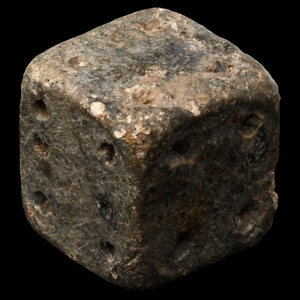
Lead Gaming Dice
17th-18th century A.D.Sold for (Inc. bp): £52
Cuboid with punched pellet markings disposed 1:6, 2:4, 3:5. 24.9 grams, 14 mm
From the private collection of Colin Narbeth, UK, 1990s, with collection reference no.128. -
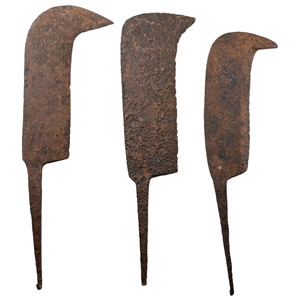
Very Large Medieval and Later Iron Billhook Collection
14th-18th century A.D.Sold for (Inc. bp): £26
Each with broad hooked blade and square-section tang hooked at the end. 1.79 kg total, 36-39 cm
From the property of a late Lincolnshire, UK, gentleman. -
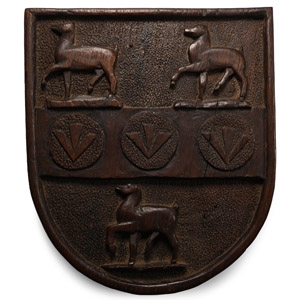
Post Medieval 'Parker Family' Oak Heraldic Shield
Circa 19th century A.D.Sold for (Inc. bp): £8
With raised border, comprising three advancing hinds, fess with three broad arrow heads, pointing downwards, possibly for the Parker family. 287 grams, 21 cm
Acquired on the UK art market. Property of a Nottinghamshire, UK, gentleman. This lot is accompanied by an illustrated lot declaration signed by the Head of the Antiquities Department, Dr Raffaele D'Amato.
