
Loading, please wait...
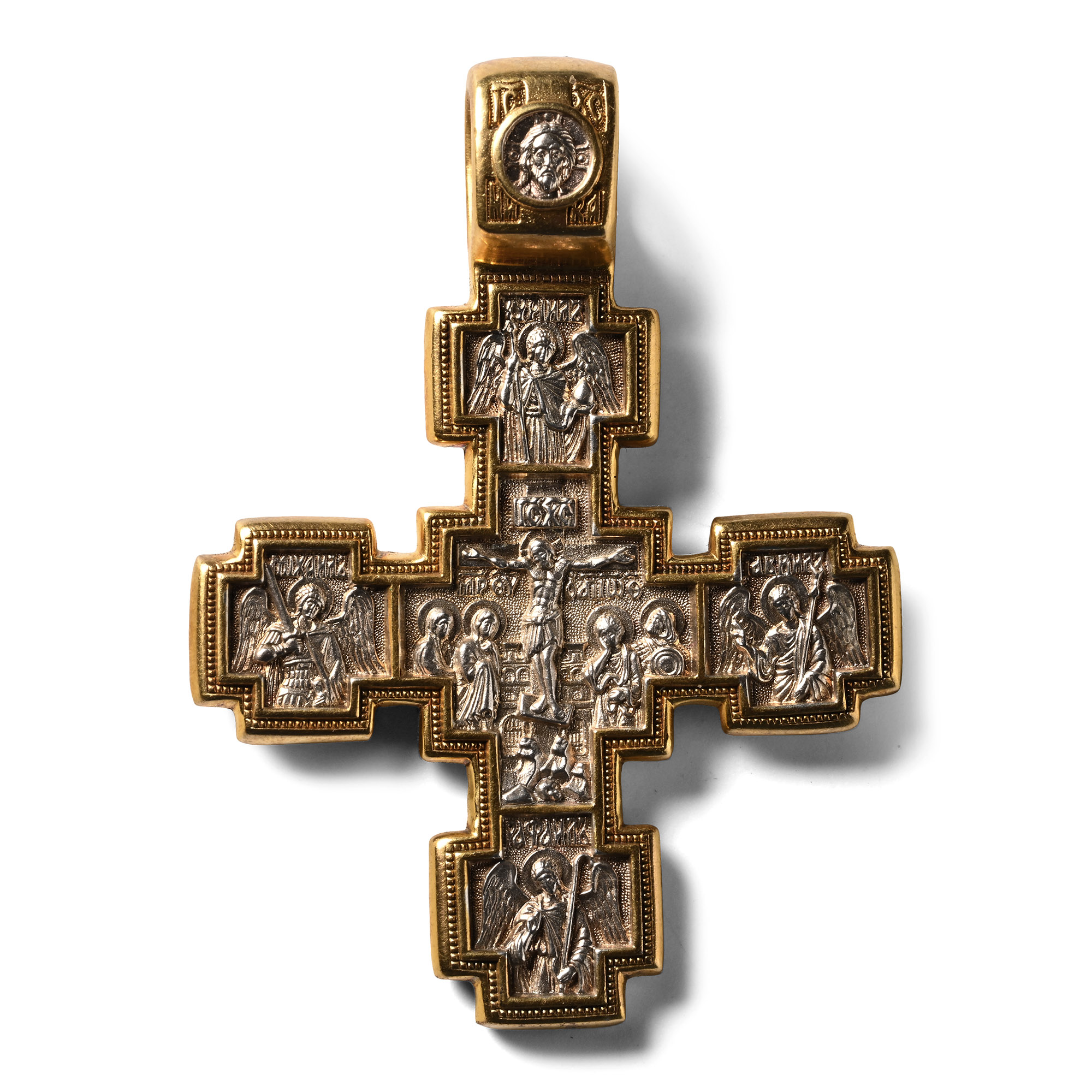
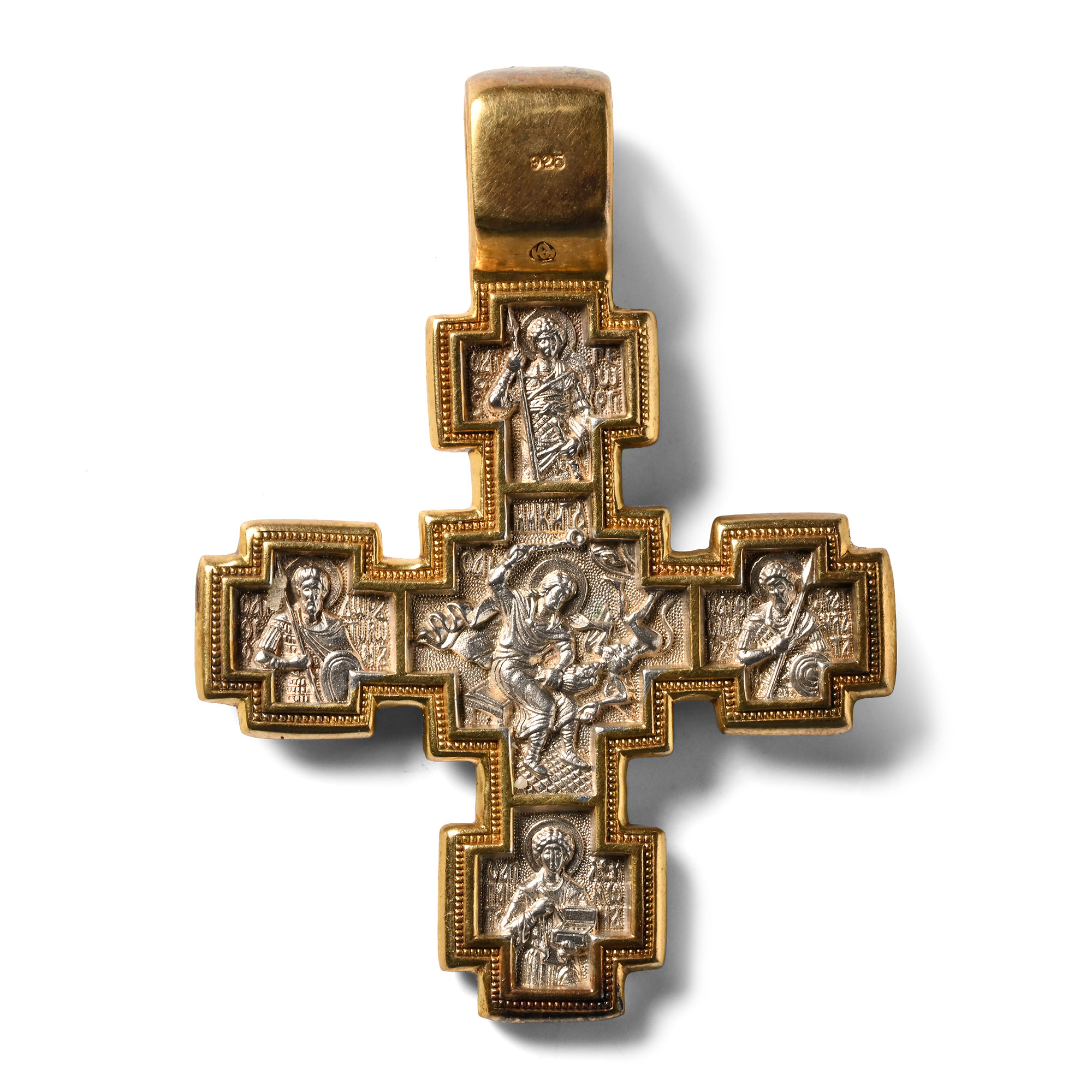
LOT 1912
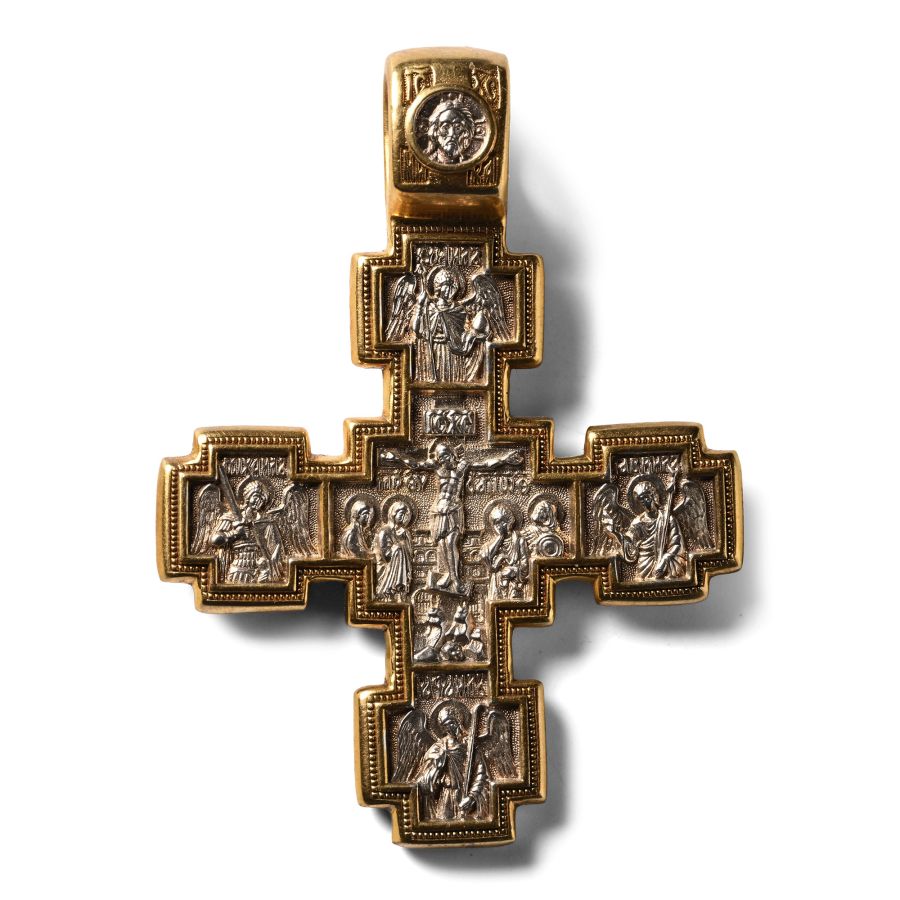
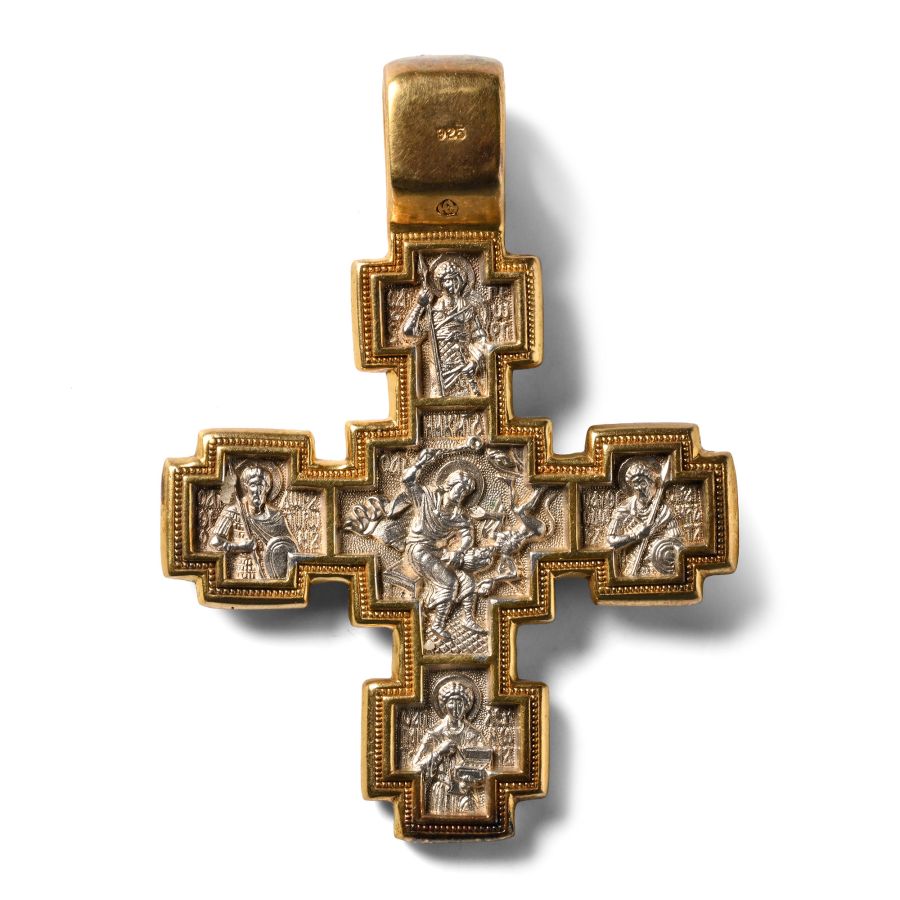
Russian Silver-Gilt Cross Pendant
21ST CENTURY A.D.
1 3/4 in. (13.72 grams, 45 mm).
Bifacial pendant cross with applied silver panels; obverse with central crucifixion scene surrounded by winged angels with spears and nimbate bust on the bale; reverse with central combat scene surrounded by saints; stamped '925' on reverse of bale. [No Reserve]
ProvenanceFrom the private collection of a West London, UK, gentleman, formed since the early 2000s.
CONDITIONTimeLine Auctions follows a vetting process to ensure the authenticity and legality of all items, reinforcing our commitment to integrity and responsible trading. Each antiquity, antique, and coin lot undergoes thorough examination by a vetting committee of at least ten external specialists, professional trade association members, scientists, and archaeologists: Our Vetting Process
AUCTIONS:
TimeLine is a leading auction house specialising in antiquities, ancient art, collectables, natural history, coins, medals, and books. Our auctions offer museums, collectors, historians, and enthusiasts the opportunity to acquire unique and historically significant pieces.
-
Post Medieval Silver Ring with Maroneia Horse
20th century A.D.Sold for (Inc. bp): £65
Substantial hoop with overlapping finials, large discoid bezel with low-relief image of a prancing horse, modelled after depictions on ancient Greek coins from the city of Maroneia in Thrace. 9.21 grams, 23.72 mm overall, 20.73 mm internal diameter (approximate size British U, USA 10, Europe 22.52, Japan 21)
Ex German art market, 2000s. Acquired from an EU collector living in London. From the collection of a Surrey, UK, gentleman. -
Victorian Silver Bosun's Whistle
Late 19th century A.D.Sold for (Inc. bp): £72
With 'crown-and-anchor' device to each side of the bowl, flange with scrolled tendril ornament, ring for attachment of a chain. 17.9 grams, 97 mm
Acquired on the UK art art. Property of a Nottinghamshire, UK, gentleman. -
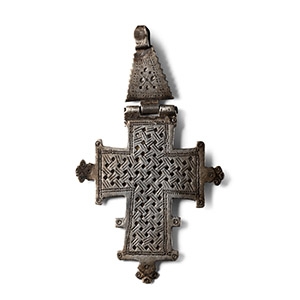
Ethiopian White Metal Cross Pendant
19th century A.D.Sold for (Inc. bp): £20
Broad and flat with dense interlaced panel to the centre of the obverse, punched border; trefoil lug to the ends of three arms, hinge above with triangular panel and loop 8.04 grams, 75 mm
Acquired from Chris Martin-Zakheim, Iconastas, 5 Piccadilly Arcade, London SW1. From the private collection of a West London, UK, gentleman, formed since the early 2000s.
