
Loading, please wait...
LOT 0447
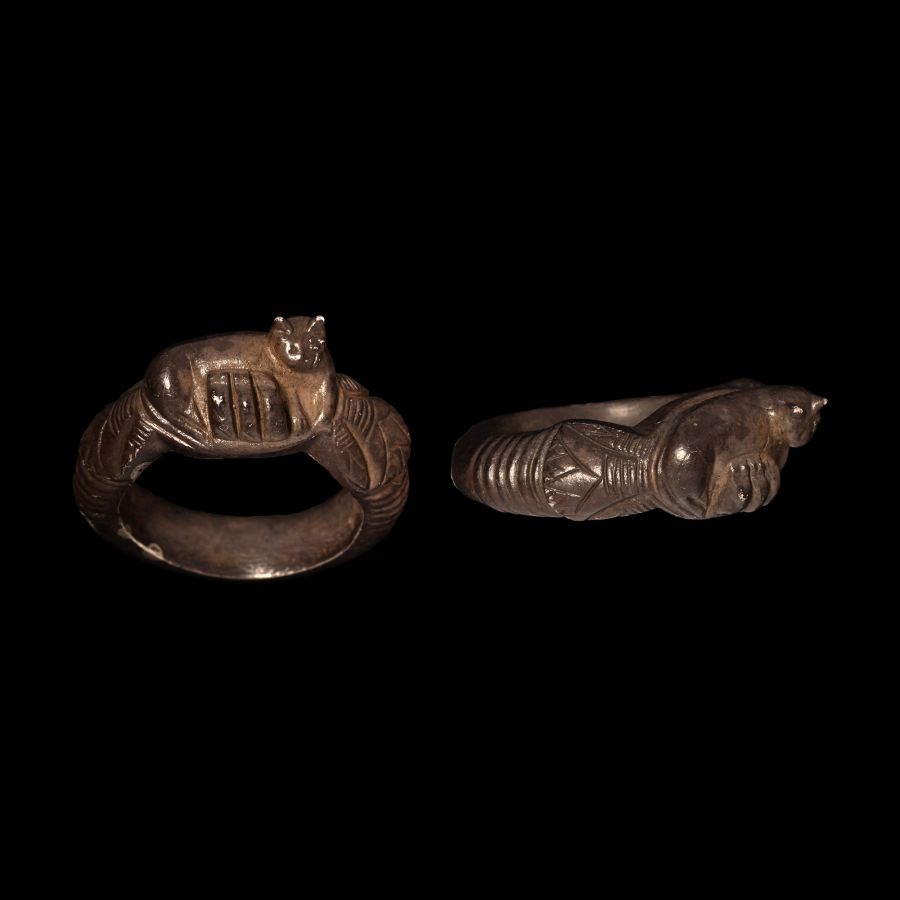
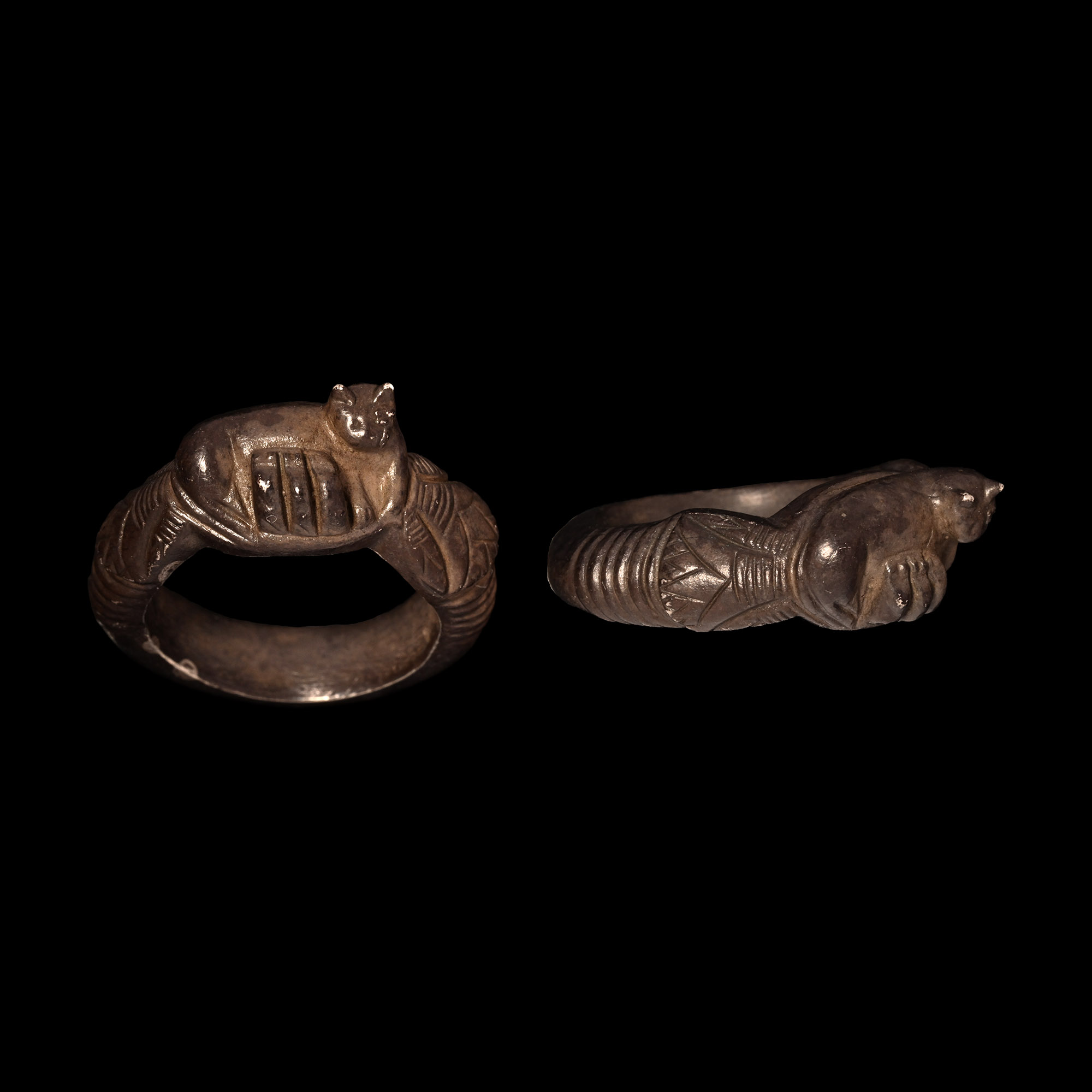
Romano-Egyptian Silver Ring with Bastet and Kittens
ROMAN PERIOD, 30 B.C.-323 AD.
1 1/8 in. (15.21 grams, 28.80 mm overall, 17.01 mm internal diameter (approximate size British N, USA 6 1/2, Europe 13.72, Japan 13)).
D-section hoop with lotus flowers on the shoulders, bezel formed as a reclining cat and three kittens.
ProvenanceEx London, UK collection, 1990s.
LiteratureCf. Chadour, A.B., Rings. The Alice and Louis Koch Collection, volume I, Leeds, 1994, item 25, for type.
FootnotesThe cat was sacred to Bastet, a protective mother goddess and the daughter of the sun god Re. When shown with kittens, as here, Bastet's maternal role as a fierce protector of offspring is emphasised.
CONDITIONTimeLine Auctions follows a vetting process to ensure the authenticity and legality of all items, reinforcing our commitment to integrity and responsible trading. Each antiquity, antique, and coin lot undergoes thorough examination by a vetting committee of at least ten external specialists, professional trade association members, scientists, and archaeologists: Our Vetting Process
AUCTIONS:
TimeLine is a leading auction house specialising in antiquities, ancient art, collectables, natural history, coins, medals, and books. Our auctions offer museums, collectors, historians, and enthusiasts the opportunity to acquire unique and historically significant pieces.
-
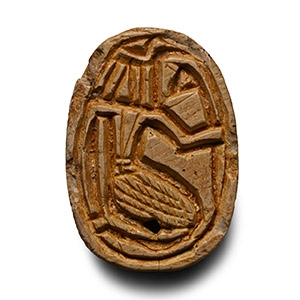
Egyptian White Stone Scarab with Falcon-headed God
New Kingdom-Late Period, 1550-332 B.C.Sold for (Inc. bp): £286
Underside with low-relief image of falcon-headed god holding a papyrus stem. 2.36 grams, 18 mm
From the private collection of P. Champman. Acquired 1992. Ex C.J. Martin, London, UK. -
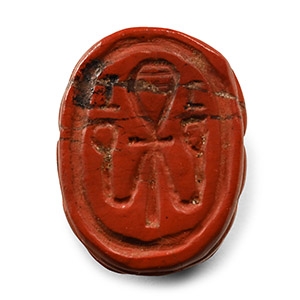
Egyptian Orange Jasper Scarab
New Kingdom, 1550-1069 B.C.Sold for (Inc. bp): £286
Carved with design to the underside of a central ankh symbol flanked by stylised rearing cobras. 1.52 grams, 13 mm
From an early 20th century collection. -
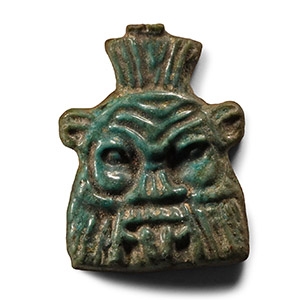
Egyptian 'Maspero' Green Faience Amulet
Late Period, 664-332 B.C.Sold for (Inc. bp): £312
Mask of Bes in low-relief with lentoid eyes and tongue extended. 2.09 grams, 28 mm
Ex Emile Bouillon Bey, c. 1880. From the Gaston Maspero Archaeological Fund. with Hotel des Ventes du Perigord, Bergerac, 24 June 2007. Property of a French collector.
Bes became one of ancient Egypt's most popular apotropaic deities from the New Kingdom onwards. Despite his somewhat fearful appearance, Bes was the patron and protector of pregnant women and children. He was also believed to protect from snakes.
