
Loading, please wait...
LOT 0587
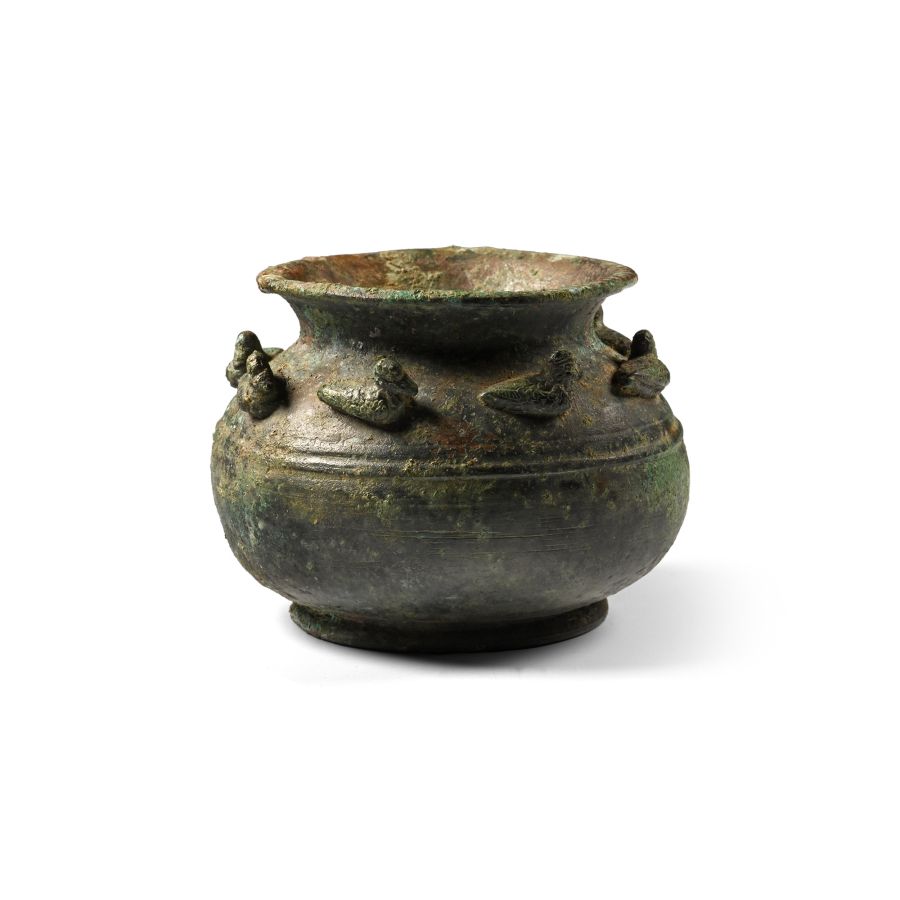
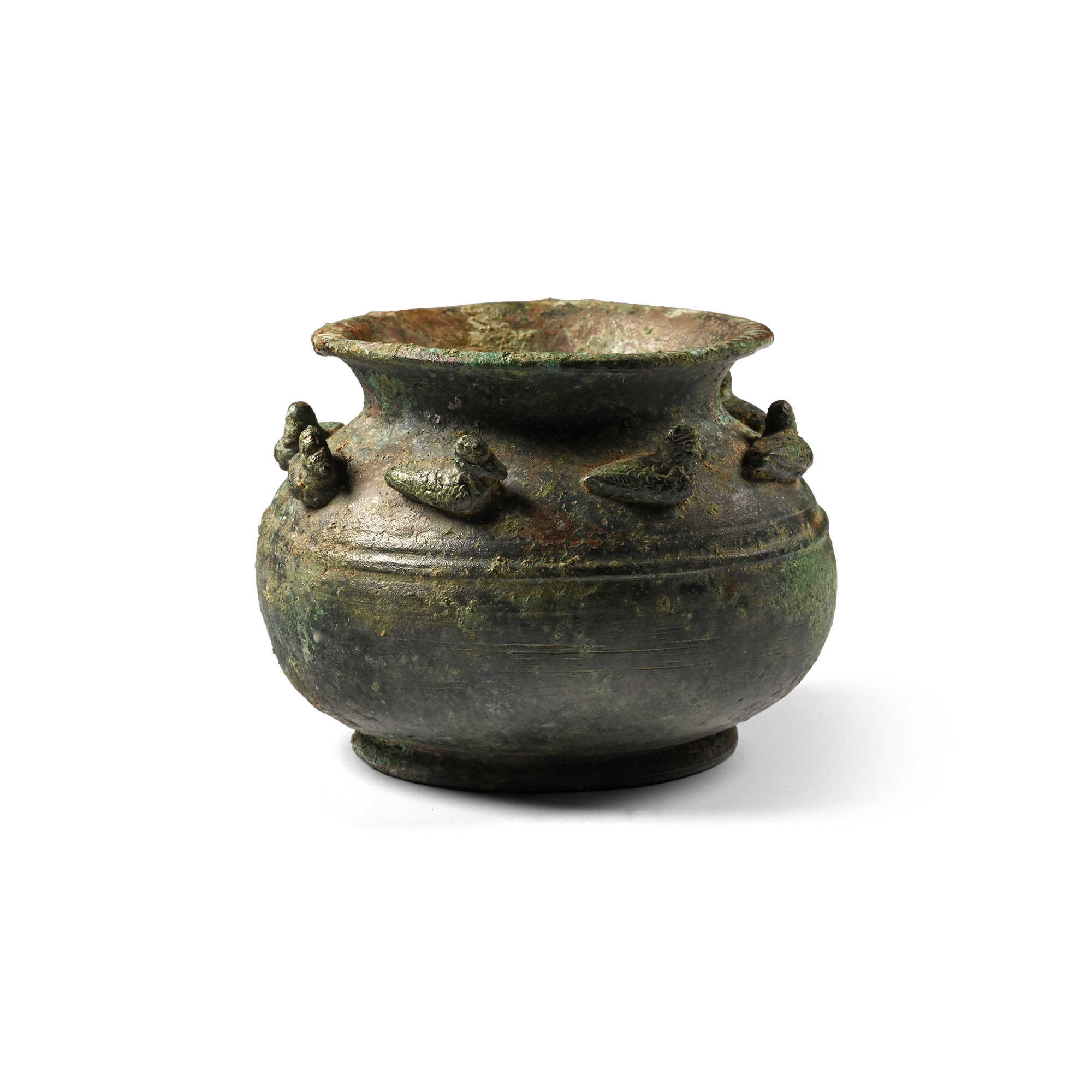
Romano-Celtic Bronze Vessel with Ducks
1ST-2ND CENTURY A.D.
2 1/2 in. (216 grams, 64 mm).
Bulbous vessel with applied foot formed of concentric circles, raised circumferential band on the shoulder with a frieze of applied swimming ducks above.
ProvenanceEx German art market, 2000s.
Acquired from an EU collector living in London.
From the collection of a Surrey, UK, gentleman.
This lot is accompanied by an illustrated lot declaration signed by the Head of the Antiquities Department, Dr Raffaele D'Amato.
TimeLine Auctions follows a vetting process to ensure the authenticity and legality of all items, reinforcing our commitment to integrity and responsible trading. Each antiquity, antique, and coin lot undergoes thorough examination by a vetting committee of at least ten external specialists, professional trade association members, scientists, and archaeologists: Our Vetting Process
AUCTIONS:
TimeLine is a leading auction house specialising in antiquities, ancient art, collectables, natural history, coins, medals, and books. Our auctions offer museums, collectors, historians, and enthusiasts the opportunity to acquire unique and historically significant pieces.
-
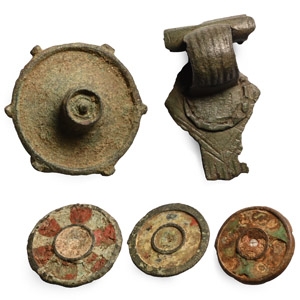
Roman Bronze Plate Brooch Group
2nd-3rd century A.D.Sold for (Inc. bp): £33
Including disc, rosette and tutulus types, some with enamel detailing. 28.5 grams total, 19-38 mm
Property of a Cambridgeshire, UK, collector. From his private collection since the 1970s; thence by descent circa 2000. Ex private collection of a Bedfordshire gentleman. This lot is accompanied by an illustrated lot declaration signed by the Head of the Antiquities Department, Dr Raffaele D'Amato. -
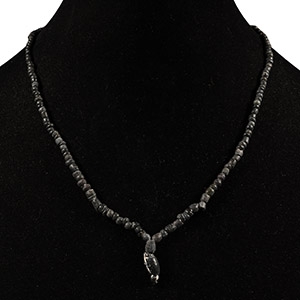
Roman Black Glass Bead Necklace String
1st-4th century A.D. and laterSold for (Inc. bp): £85
Restrung group of cylindrical, melon-shaped and other beads. 11.1 grams, 47 cm
Ex London, UK, collection, 1990s. This lot is accompanied by an illustrated lot declaration signed by the Head of the Antiquities Department, Dr Raffaele D'Amato. -
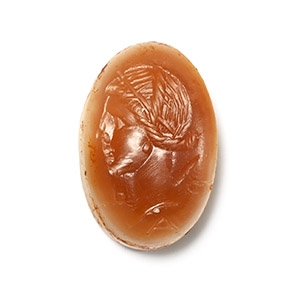
Roman Agate Bust of Artemis Gemstone
1st-3rd century A.D.Sold for (Inc. bp): £780
Plano-convex in form with bust of Artemis above legend 'R A P'. 1.16 grams, 14 mm
Acquired on the German art market, 1989-1995. with The Museum Gallery, 19 Bury Place, London, WC1, UK, 1998-2003. Property of a London based academic, 2003 to present. This lot is accompanied by an illustrated lot declaration signed by the Head of the Antiquities Department, Dr Raffaele D'Amato.
