
Loading, please wait...
LOT 0190
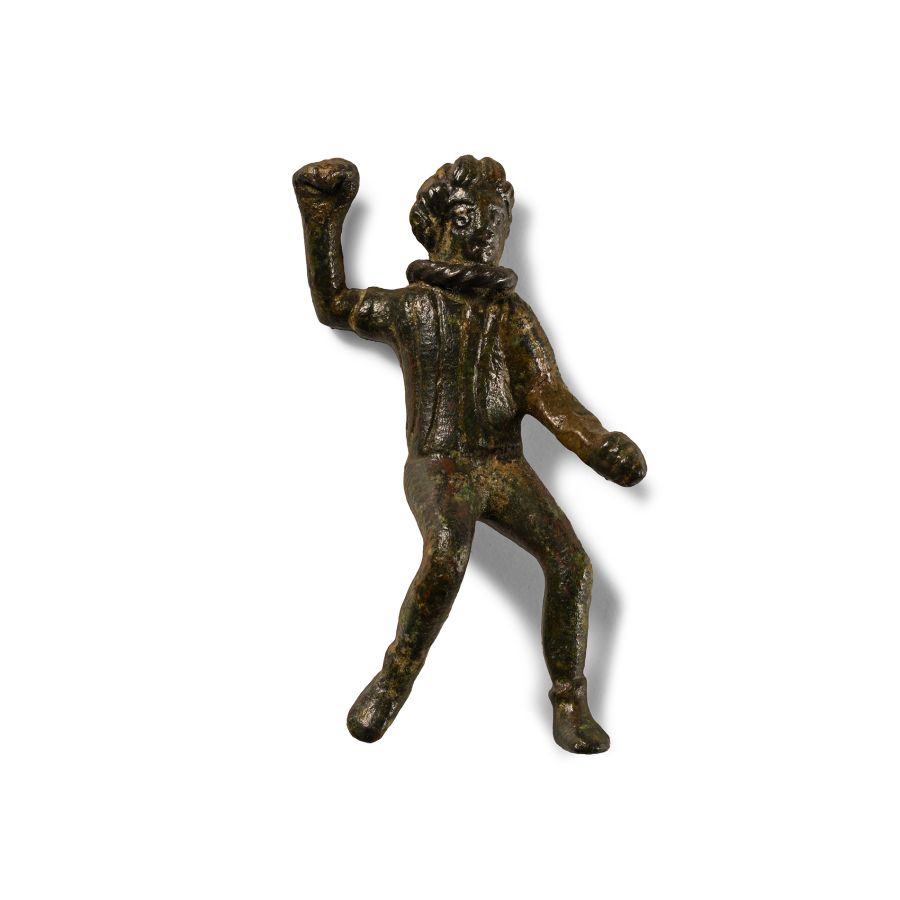
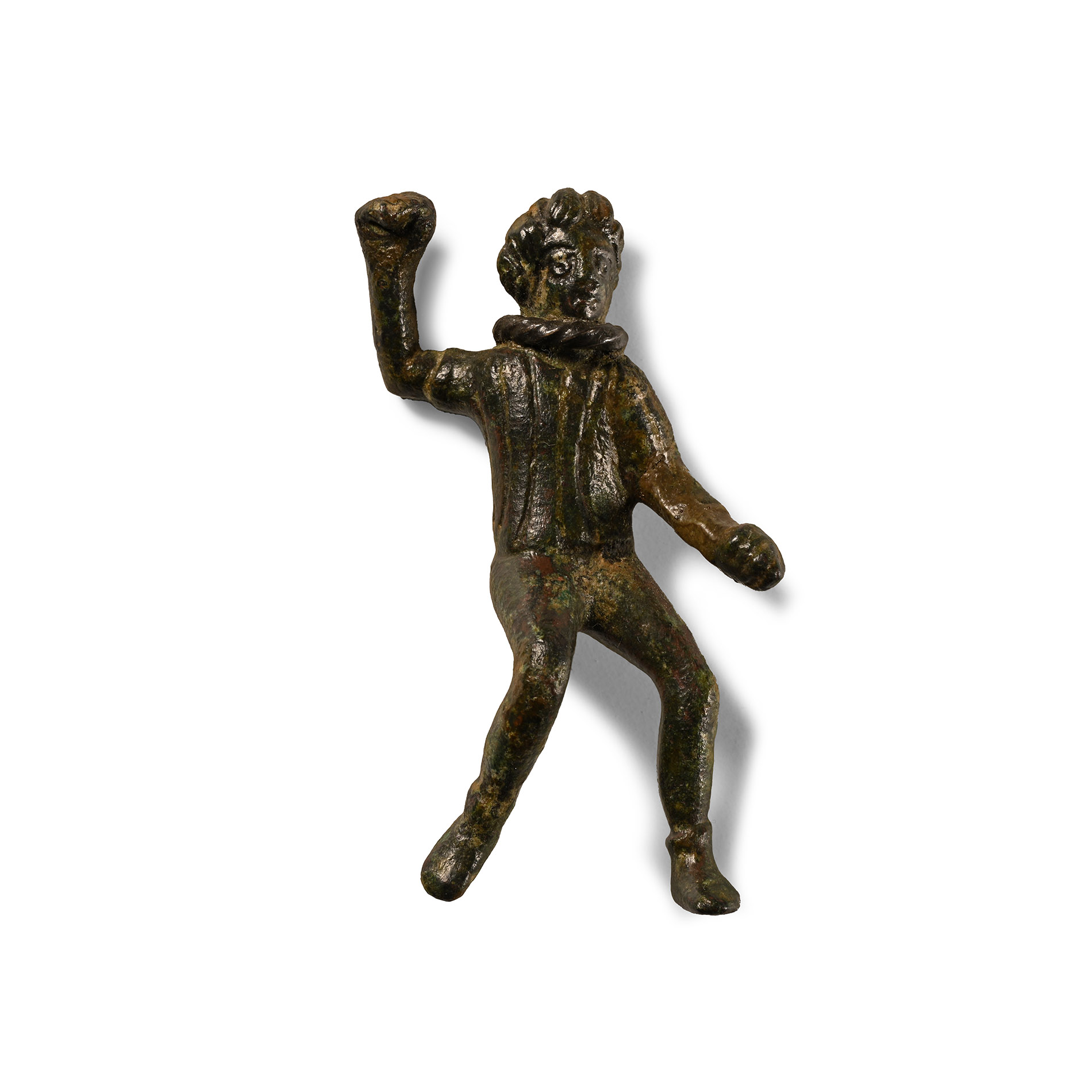
Romano-Celtic Bronze Statuette of a Warrior Wearing Torc
CIRCA 1ST-2ND CENTURY A.D.
2 5/8 in. (53 grams total, 67 mm).
Modelled in the round, standing with right leg bent, right arm raised and left extended before the body; with thick tousled hair, exaggerated torc to the neck, jacket with incised vertical lines, tight-fitting trousers and ankle-boots. [No Reserve]
ProvenanceFrom a collection acquired on the UK art market from various auction houses and collections mostly before 2000.
From an important Cambridgeshire estate; thence by descent.
Cf. Durham, E., Metal Figurines in Roman Britain, vol. 2, Reading, 2010, pl.124; Caesar (translated by S. A. Handford) The Conquest of Gaul, (1982), (Penguin Classics).
FootnotesThe pose of the figure suggests that he is in the action of brandishing a weapon, or possibly holding the reins of a team of horses pulling a chariot. Caesar mentions the expert use of the war-chariot by the Britons (Conquest of Gaul, IV.33). The padded garment suggests a Celtic auxiliary in the Roman army.
CONDITIONTimeLine Auctions follows a vetting process to ensure the authenticity and legality of all items, reinforcing our commitment to integrity and responsible trading. Each antiquity, antique, and coin lot undergoes thorough examination by a vetting committee of at least ten external specialists, professional trade association members, scientists, and archaeologists: Our Vetting Process
AUCTIONS:
TimeLine is a leading auction house specialising in antiquities, ancient art, collectables, natural history, coins, medals, and books. Our auctions offer museums, collectors, historians, and enthusiasts the opportunity to acquire unique and historically significant pieces.
LOT 0190
Romano-Celtic Bronze Statuette of a Warrior Wearing Torc
Sold for (Inc. bp): £390
-
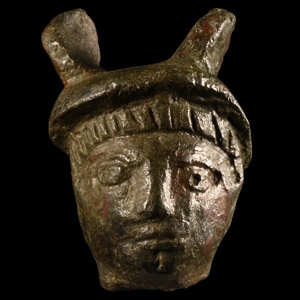
Roman Bronze Mercury Statuette Head
1st-2nd century A.D.Sold for (Inc. bp): £234
With winged petasos traveller's headgear and low-relief facial detailing. 13.3 grams, 20 mm
Property of a Gloucestershire, UK, collector. Property of an East Sussex, UK, gentleman. -
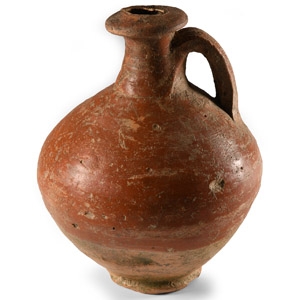
Roman Terracotta Wine Flagon
1st-2nd century A.D.Sold for (Inc. bp): £176
With globular body, thick basal ring, tall columnar neck with biconical collar, single strap handle to the rear. 380 grams, 14.7 cm high
Ex German art market, 2000s. Acquired from an EU collector living in London. From the collection of Surrey, UK, gentleman. -
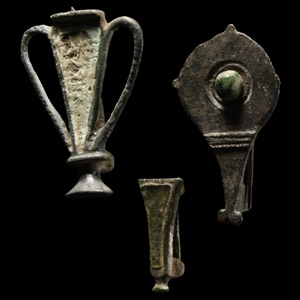
Roman Bronze Plate Brooch Colection
2nd century A.D.Sold for (Inc. bp): £85
One tinned with central boss; one bell-shaped with glass inlay; another shaped as an amphora with remains of enamelling. 12 grams total, 22-38 mm
Ex property of an Austrian private collector since the 1970s.
