
Loading, please wait...
LOT 0706
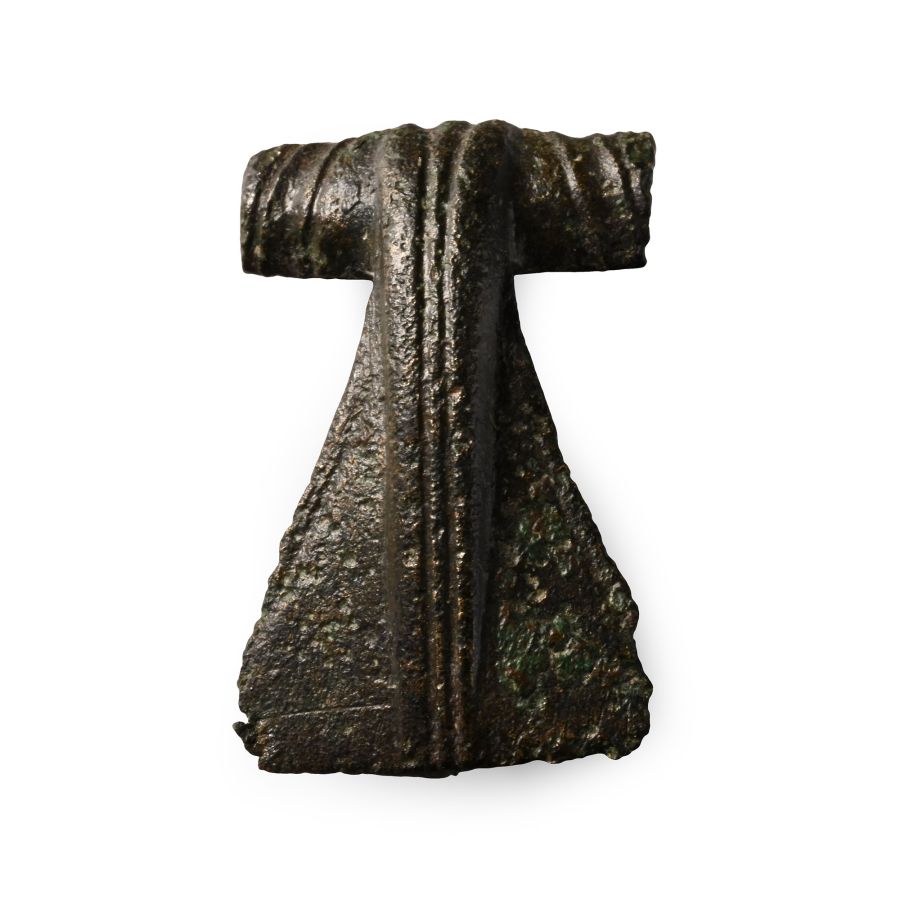
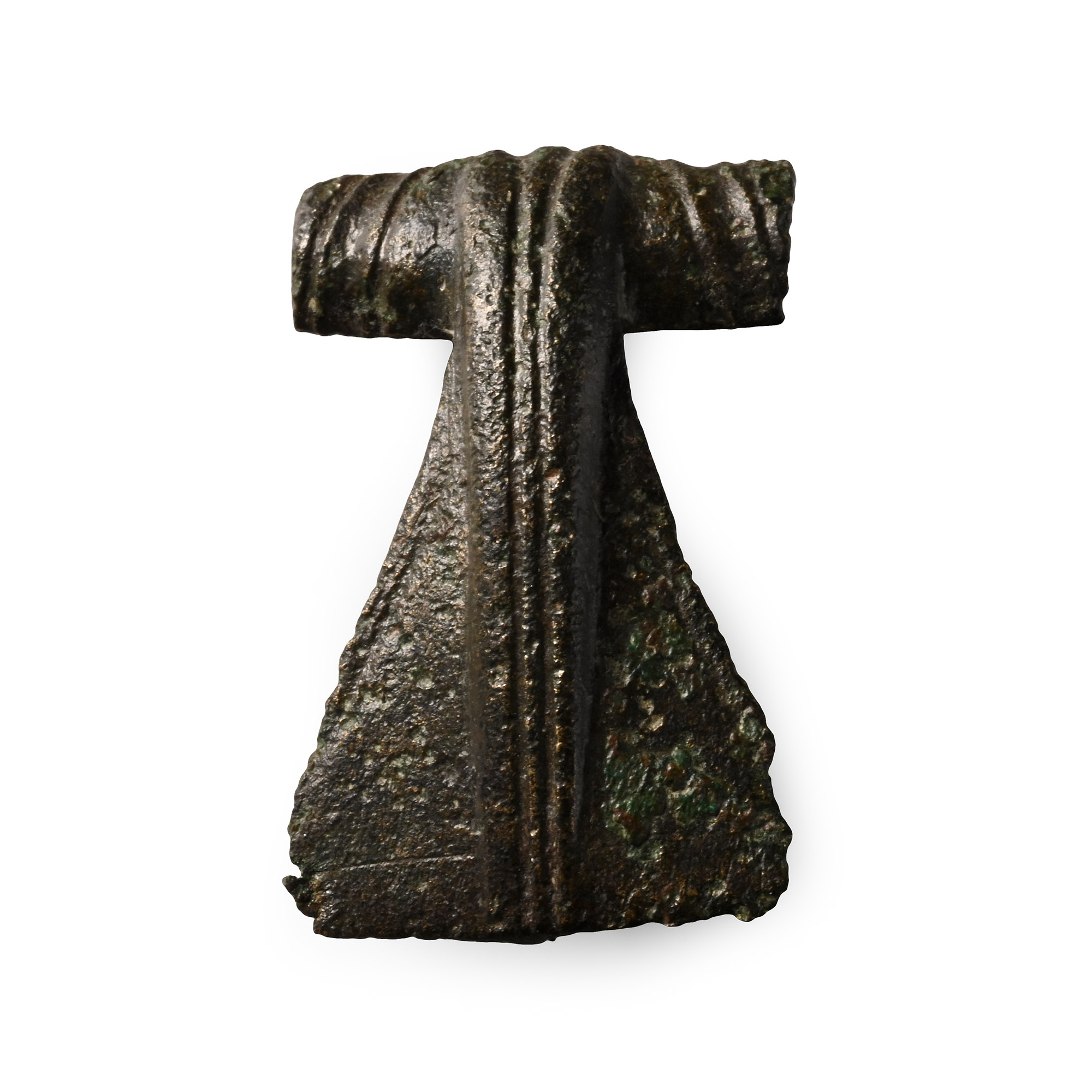
Romano-British Bronze Wing and Fanbow Brooch
CIRCA 40-55 A.D.
1 1/4 in. (7.7 grams, 33 mm).
With two triangular on each side of the ribbed bow, inked collector's number '3318' beneath one of the wings. [No Reserve]
ProvenanceFound Norfolk, UK.
From a Kent collection formed in the 1990s.
Hattatt, 1989, no. 1482.
CONDITIONTimeLine Auctions follows a vetting process to ensure the authenticity and legality of all items, reinforcing our commitment to integrity and responsible trading. Each antiquity, antique, and coin lot undergoes thorough examination by a vetting committee of at least ten external specialists, professional trade association members, scientists, and archaeologists: Our Vetting Process
AUCTIONS:
TimeLine is a leading auction house specialising in antiquities, ancient art, collectables, natural history, coins, medals, and books. Our auctions offer museums, collectors, historians, and enthusiasts the opportunity to acquire unique and historically significant pieces.
-
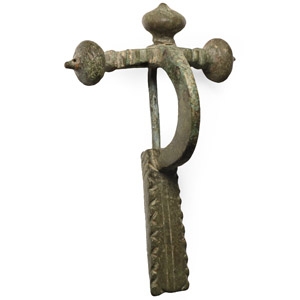
Roman Bronze Crossbow Brooch
Circa 4th century A.D.Sold for (Inc. bp): £104
With three onion-shaped knops to the crossbar and pierced moulding to the upper face, deep bow, trapezoidal foot with notched edges and longitudinal lines; integral catch; hinged pin to reverse; Keller Type 4. 37.8 grams, 73 mm
From a private Tyneside collection, formed since the early 2000s. -
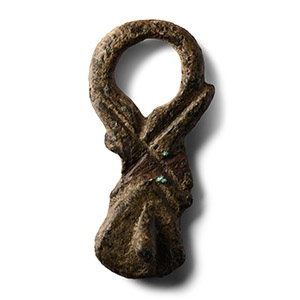
Roman Bronze Phallic Pendant
2nd century A.D.Sold for (Inc. bp): £26
Amuletic fascinum formed as a loop with male genitals below. 10.55 grams, 40 mm
Ex DRG Coins and Antiquities, Bishops Stortford, Essex, UK. From the private collection of a West London, UK, gentleman, formed since the early 2000s. Accompanied by a hand written dealer's ticket. -
.jpg)
Roman and Byzantine Ceramic Oil Lamp Collection
2nd-8th century A.D.Sold for (Inc. bp): £293
Comprising: a slipper-shaped lamp with low-relief linear decoration; a rounded lamp with large nozzle, a band of omega motifs around the central filler hole; a drum-shaped lamp with low discus with raised double border, short nozzle with ring-and-dot motifs. 159 grams total, 88-94 mm
with Galerie Rhéa, Zurich, Switzerland.
