
Loading, please wait...
LOT 0769
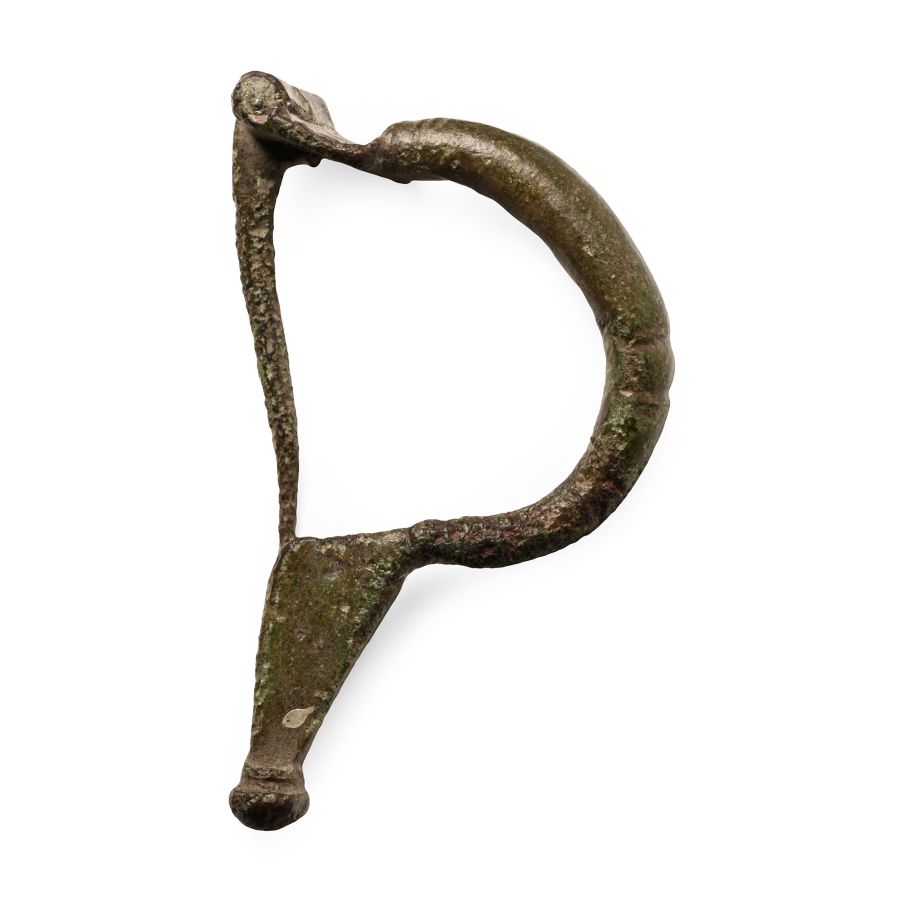
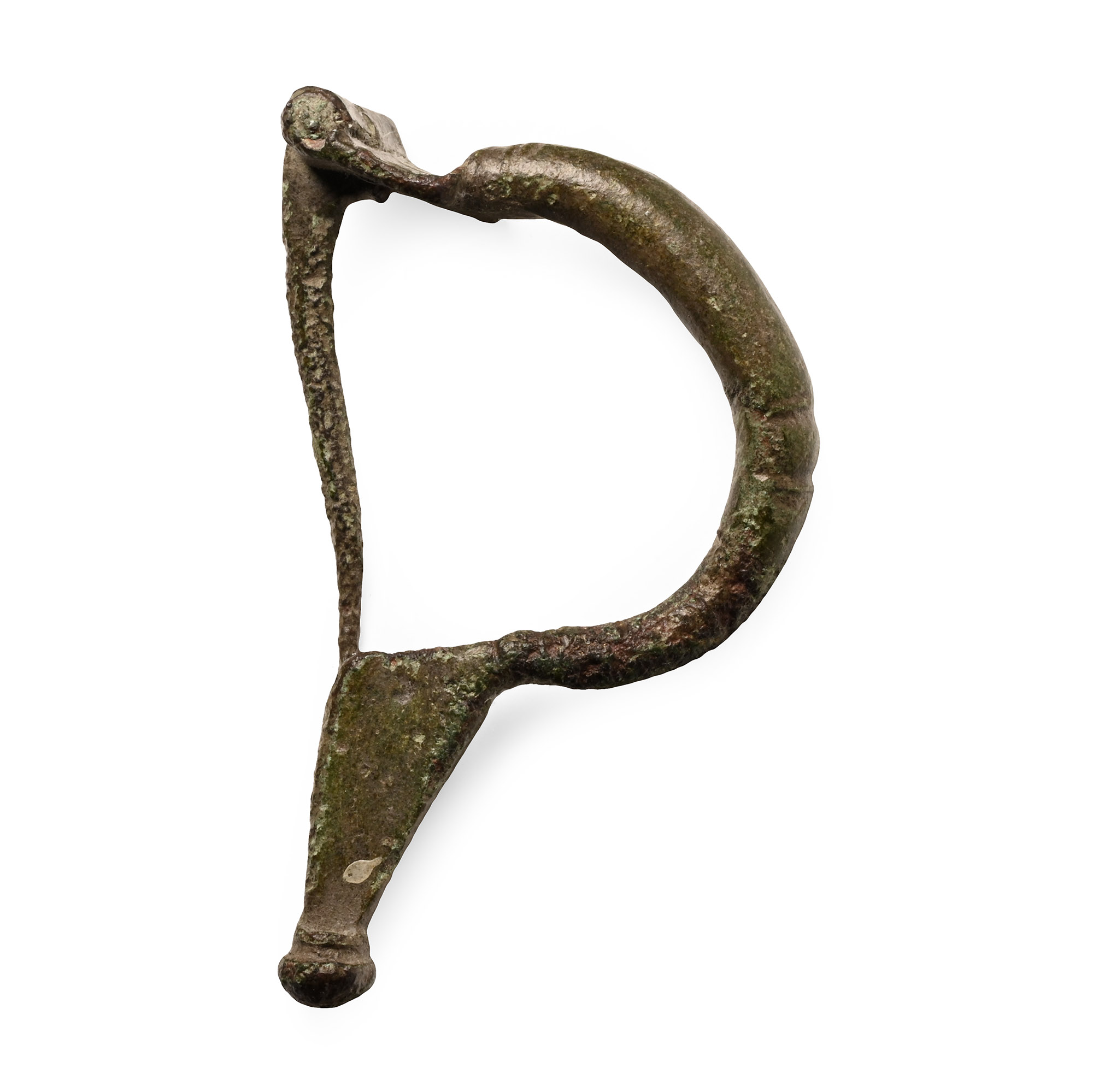
Romano-British Bronze Brooch with Maker’s Name ACUTI
LATE 1ST-EARLY 2ND CENTURY A.D.
2 in. (10.9 grams, 51 mm).
P-shaped or Aucissa variant, deeply arched bow with two incisions; maker’s name 'ACUTI' at the front of the bow. [No Reserve]
ProvenanceFound East Anglia, UK.
From a Kent collection formed in the 1990s.
See Hattatt vol. 4, fig. 177-1490, for similar; see also vol. 3, p.70, nos. 833 and 835.
CONDITIONTimeLine Auctions follows a vetting process to ensure the authenticity and legality of all items, reinforcing our commitment to integrity and responsible trading. Each antiquity, antique, and coin lot undergoes thorough examination by a vetting committee of at least ten external specialists, professional trade association members, scientists, and archaeologists: Our Vetting Process
AUCTIONS:
TimeLine is a leading auction house specialising in antiquities, ancient art, collectables, natural history, coins, medals, and books. Our auctions offer museums, collectors, historians, and enthusiasts the opportunity to acquire unique and historically significant pieces.
-
Roman Black Glass Bead Necklace String
1st-4th century A.D. and laterSold for (Inc. bp): £85
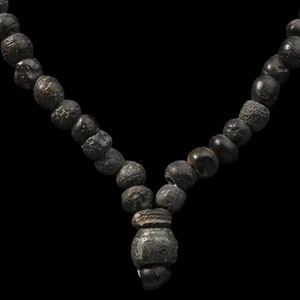
Restrung designer necklace string of annular, oblate and other types with pendant centrepiece. 24.3 grams, 44.5 cm
London, UK, collection, 2000s. -
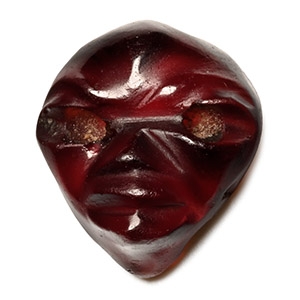
Roman Garnet Cameo of a Grotesque Head
1st century A.D.Sold for (Inc. bp): £338
With head of a grotesque facing; supplied with a museum-quality impression. 0.95 grams, 10 mm
Private English collection, formed between the late 1970s and early 1990s. Private collection, London, UK. -
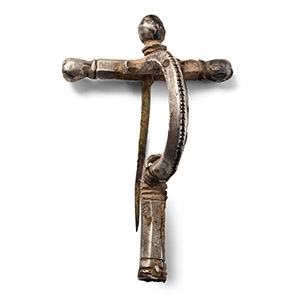
Roman Silver Crossbow Brooch
Circa 4th century A.D.Sold for (Inc. bp): £286
Of early type with lemon-shaped knop above the round-section crossbar, facetted bow with impressed crow's foot motifs to the outer edge and faceted knop finials, D-section footplate with lateral chamfered edges and catchplate to reverse, hinged pin behind the crossbar. 43 grams, 80 mm
From the collection of a gentleman, acquired on the London art market in the 1990s.
