
Loading, please wait...
_900x900.jpg "Roman Translucent Glass Bowl")
_200x200.jpg "Roman Translucent Glass Bowl")
.jpg "Roman Translucent Glass Bowl")
LOT 0161
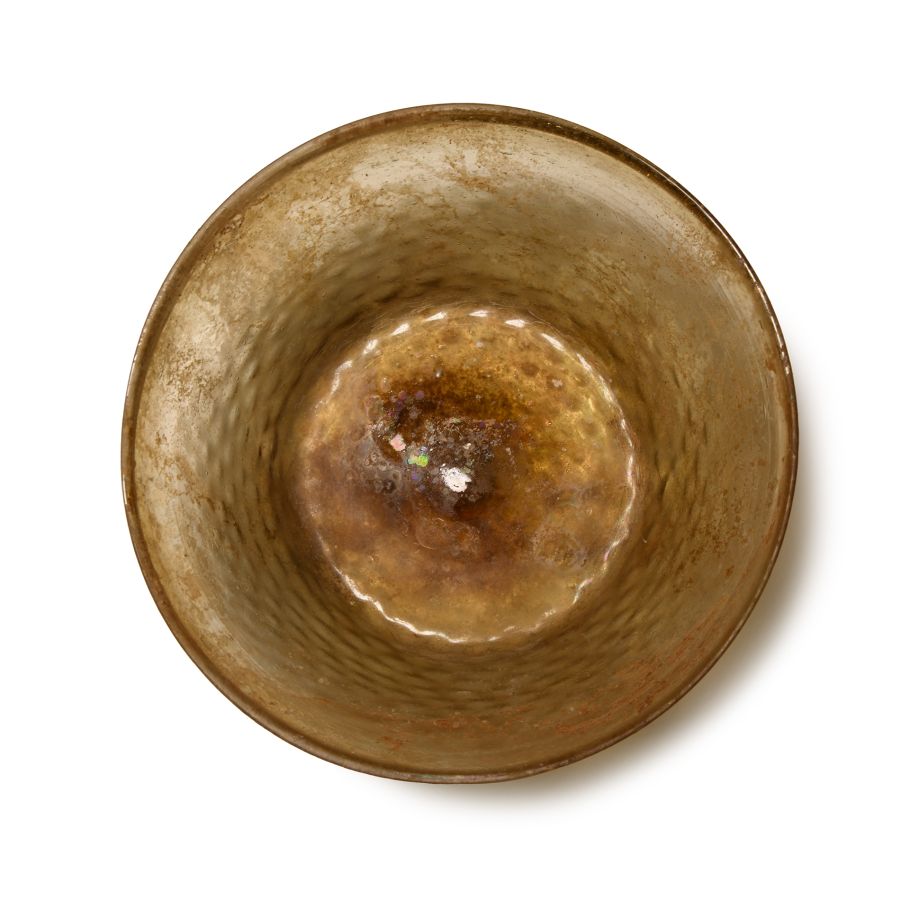
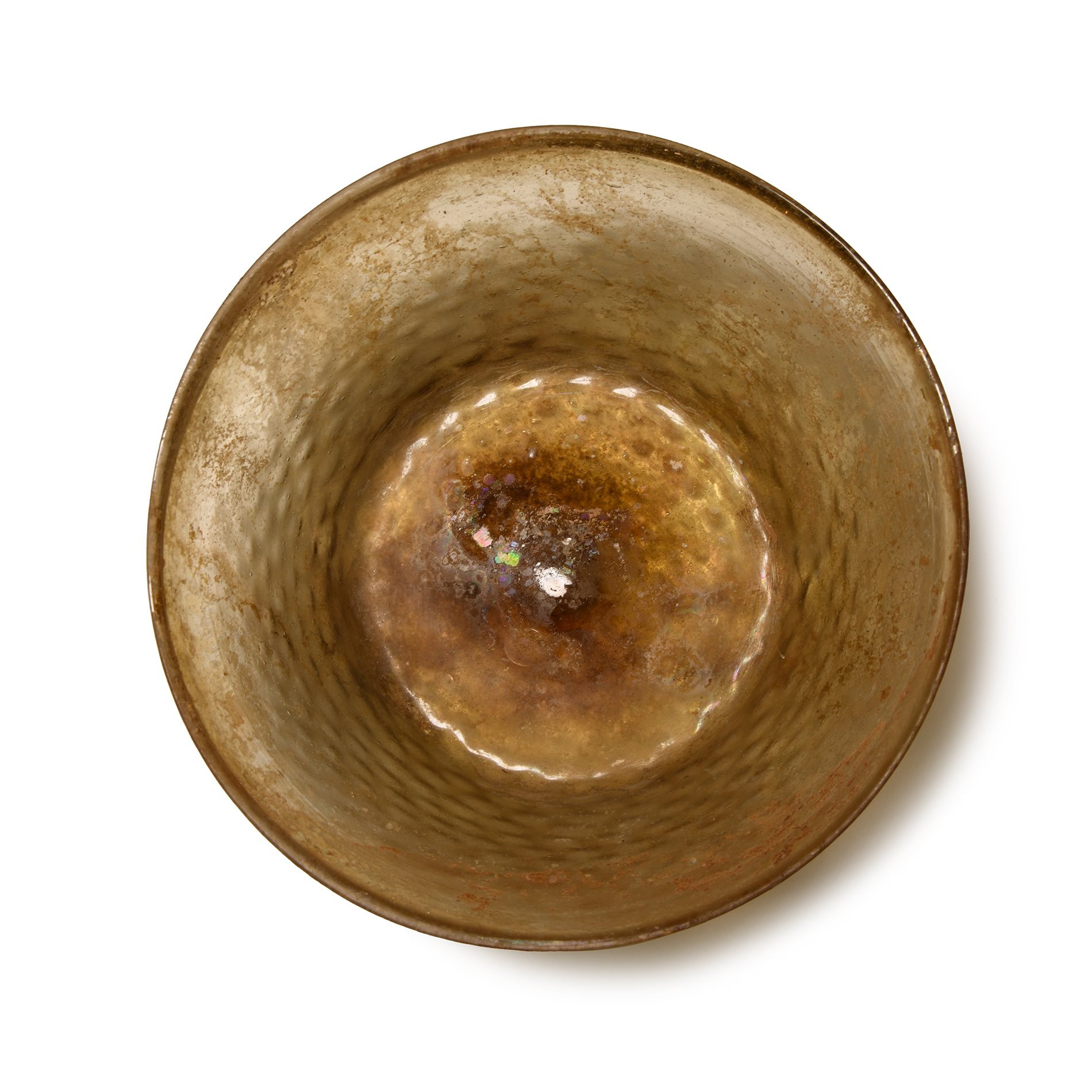
Roman Translucent Glass Bowl
3RD CENTURY A.D.
6 1/4 in. (209 grams, 16 cm wide).
Translucent aqua glass with moulded texture to the outer face. [No Reserve]
ProvenanceFrom the collection of a late East Anglian teacher and antiquarian who retired to the Isle of Wight in Hampshire, UK.
He amassed a large collection of objects between the 1960s-1980s.
Cf. The Corning Museum of Glass, accession number 300-399, for type.
CONDITIONTimeLine Auctions follows a vetting process to ensure the authenticity and legality of all items, reinforcing our commitment to integrity and responsible trading. Each antiquity, antique, and coin lot undergoes thorough examination by a vetting committee of at least ten external specialists, professional trade association members, scientists, and archaeologists: Our Vetting Process
AUCTIONS:
TimeLine is a leading auction house specialising in antiquities, ancient art, collectables, natural history, coins, medals, and books. Our auctions offer museums, collectors, historians, and enthusiasts the opportunity to acquire unique and historically significant pieces.
-
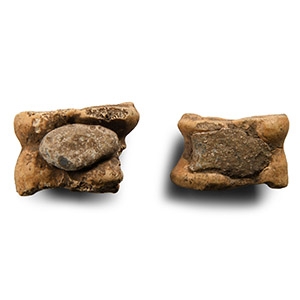
Roman Bone with Lead Knuckle Bone Gaming Piece Pair
1st-4th century A.D.Sold for (Inc. bp): £91
Group of two astragali gaming pieces, each with a lead plug in the central cavity. 34.1 grams total, 29-30 mm
Acquired from Ancient & Oriental, circa 1995. Ian Wilkinson collection, Nottinghamshire, UK. -
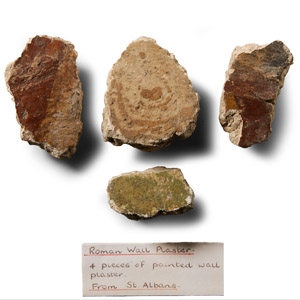
Romano-British 'St Albans' Painted Fresco Wall Plaster Fragment Collection
1st-4th century A.D.Sold for (Inc. bp): £26
With painted stripe, swirl and other motifs, supplied with old collector's record card 'Roman Wall Plaster / 4 pieces of painted wall plaster. From St. Albans'. 70 grams total, 36-51 mm
Found St Albans, Hertfordshire, UK. From the collection of a late East Anglian teacher and antiquarian who retired to the Isle of Wight in Hampshire, UK. He amassed a large collection of objects between the 1960s-1980s. -
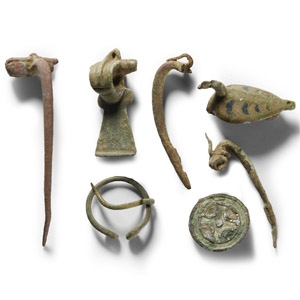
Romano-British 'Gloucestershire' Mixed Brooch Collection
Circa 1st-3rd century A.D.Sold for (Inc. bp): £104
Including bow-and-fantail, enamelled bird plate brooch and other types. 52 grams total, 23-74 mm
Found Gloucestershire, UK.
