
Loading, please wait...
LOT 0763
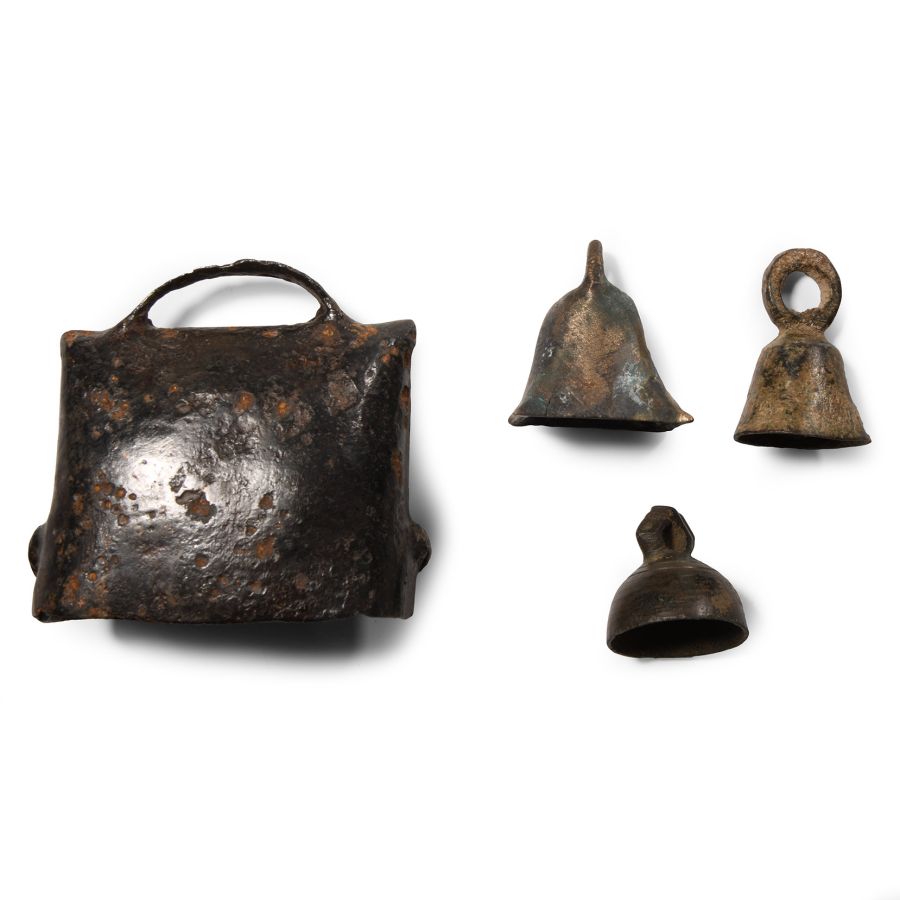
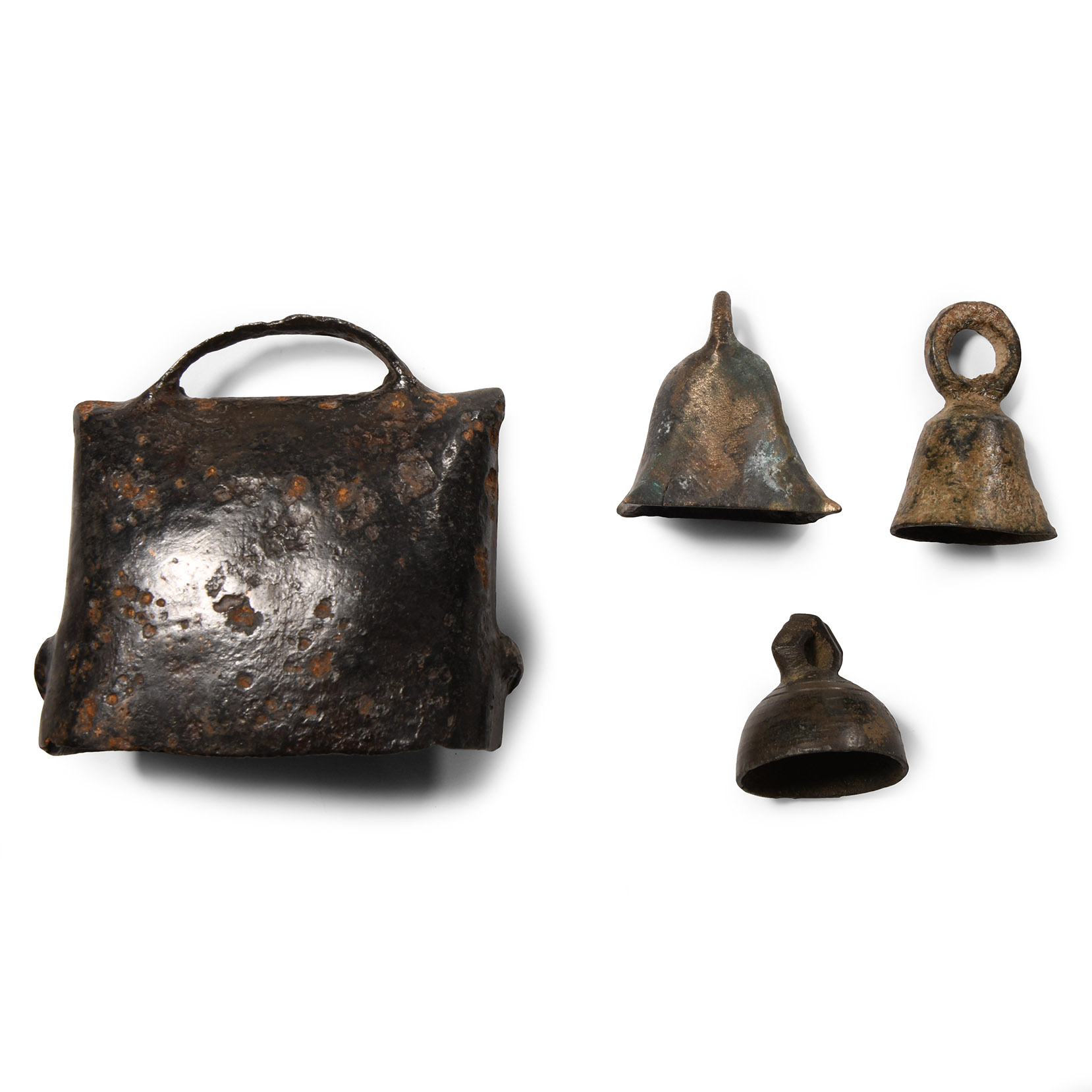
Roman to Post Medieval Bell Collection
1ST-18TH CENTURY A.D.
1 - 2 5/8 in. (126 grams total, 23-67 mm).
Including cow-bell, hemispherical, jingle and other types; many of these objects are published in the Detector Finds book series. [4, No Reserve]
ProvenanceFrom the collection of the famous author, writer and speaker, Gordon Bailey, Essex, UK; formed since 1968.
LiteratureCf. Bailey, G., Finds Identified, Witham, 2000, p.64-65.
CONDITIONTimeLine Auctions follows a vetting process to ensure the authenticity and legality of all items, reinforcing our commitment to integrity and responsible trading. Each antiquity, antique, and coin lot undergoes thorough examination by a vetting committee of at least ten external specialists, professional trade association members, scientists, and archaeologists: Our Vetting Process
AUCTIONS:
TimeLine is a leading auction house specialising in antiquities, ancient art, collectables, natural history, coins, medals, and books. Our auctions offer museums, collectors, historians, and enthusiasts the opportunity to acquire unique and historically significant pieces.
-
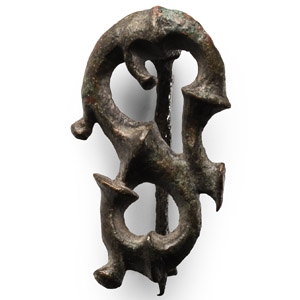
Roman Silver Trumpet Whorl Brooch
2nd-4th century A.D.Sold for (Inc. bp): £234
Plate brooch formed as an S-shaped La Tène scroll with trumpet and bulb detailing, catch and pin to the reverse. 10 grams, 39 mm
Acquired in the mid 1980s-1990s. Private collection, Switzerland, thence by descent. Private collection, since the late-1990s. -
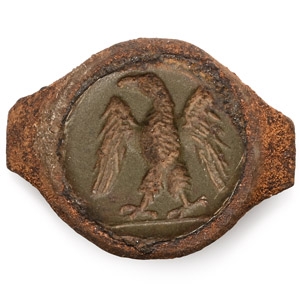
Roman Eagle Gemstone in Remains of Bronze Ring
Circa 2nd-3rd century A.D.Estimate: £200 - 300 (+bp*)
Opening Bid: £111
A round intaglio with a standing eagle on a baseline with its wings spread and head turned left. 4.17 grams, 20 mm
Acquired 1980-2015. Ex Abelita family collection. -
.jpg)
Roman Draped Marble Bust
3rd century A.D.Sold for (Inc. bp): £5,980
Fragment of a carved statue depicting a lifesize figure wearing a pleated and draped stola with left hand clenched in a fist and held at the chest; high-relief modelling of fabric; mounted on a custom-made stand. 23.5 kg total, 49.5 cm including stand
Ex Alison Barker (1951-2021) collection, Chichester, West Sussex, UK. Private collection, England. This lot has been checked against the Interpol Database of stolen works of art and is accompanied by search certificate number no.12229-215654.
