Loading, please wait...

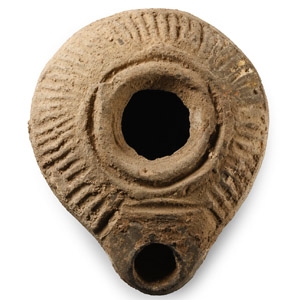
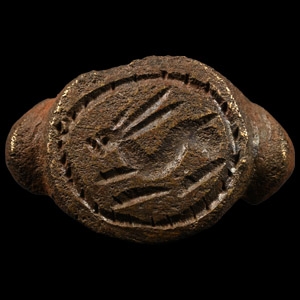
Roman to Post Medieval Artefact Group Roman to Post Medieval Artefact Group Roman to Post Medieval Artefact Group
Use mousewheel to zoom in and out, click to enlarge
Details

LOT 0637

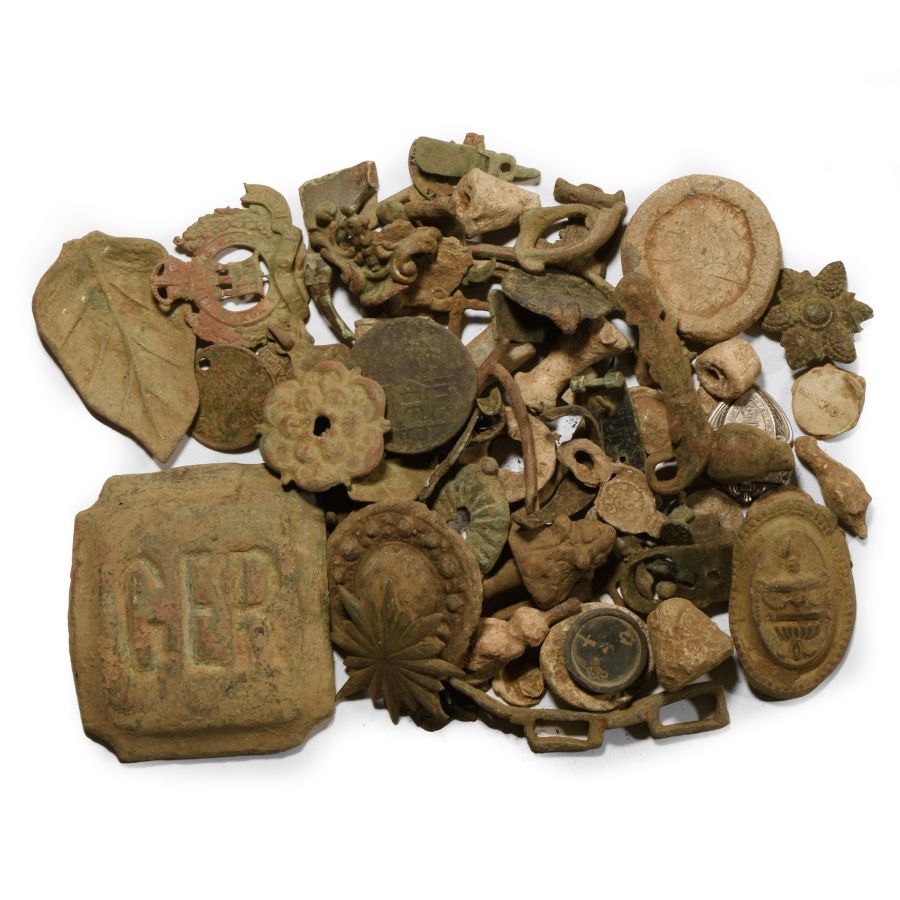
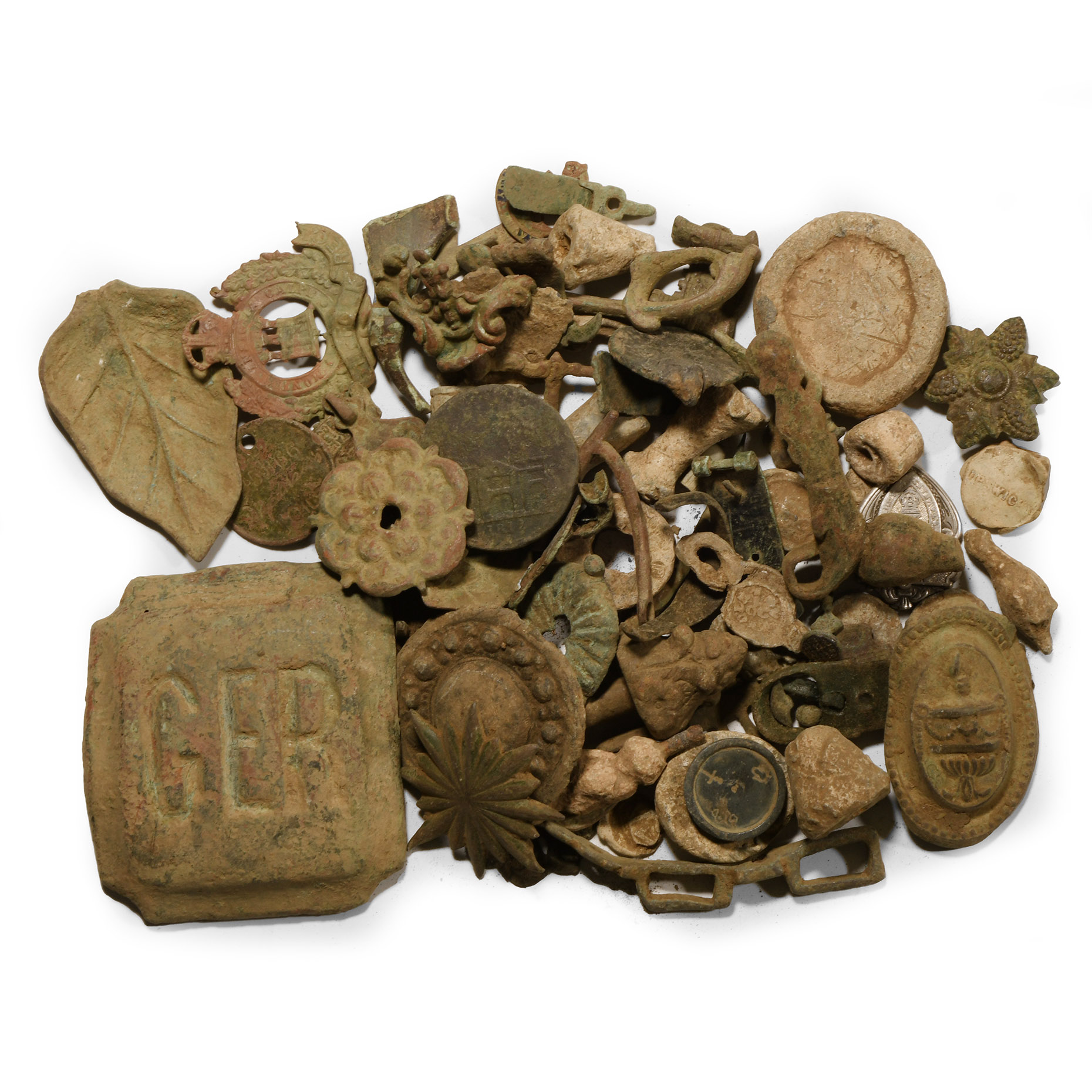
Roman to Post Medieval Artefact Group

1ST-20TH CENTURY A.D.

3/8 - 2 7/8 in. (955 grams total, 9-74 mm).

Including a military cap badge, lead weight, buckle and belt fittings, milled coins and other items. [70+, No Reserve]

Provenance

Found Suffolk, UK.

CONDITION
VETTING:

TimeLine Auctions follows a vetting process to ensure the authenticity and legality of all items, reinforcing our commitment to integrity and responsible trading. Each antiquity, antique, and coin lot undergoes thorough examination by a vetting committee of at least ten external specialists, professional trade association members, scientists, and archaeologists: Our Vetting Process


AUCTIONS:

TimeLine is a leading auction house specialising in antiquities, ancient art, collectables, natural history, coins, medals, and books. Our auctions offer museums, collectors, historians, and enthusiasts the opportunity to acquire unique and historically significant pieces.

LOT 0637

Roman to Post Medieval Artefact Group

Sold for (Inc. bp): £46

Print page

RELATED LOTS
  • Roman Marble Portrait Head of Gaius Caesar
    Roman Marble Portrait Head of Gaius Caesar
    Augustan, circa 5 B.C.-1 A.D.

    Estimate: £30,000 - 40,000 (+bp*)

    Opening Bid: £16,667

    Modelled in the round probably using Parian marble, head of a youth depicted turning slightly to his left, hair trimmed in the Julian style; believed to be of Gaius Iulius Caesar Vipsanianus (20 B.C.- 4 A.D.); mounted on a custom-made stand. 17.4 kg total, 48 cm high including stand


    Acquired on the London art market in the 1970s by the previous owner’s late father. with Christie’s London, 25 April 2007, no.260. UK private collection, London. Anonymous sale, Bonhams, London, 16 April 2015, no.130. Accompanied by an academic report by Dr Raffaele D’Amato. This lot has been checked against the Interpol Database of stolen works of art and is accompanied by a search certificate number no.163499-10061.

    Gaius Caesar (20 B.C.-4 A.D.) and his brother Lucius Caesar (17 B.C.-2 A.D.) held significant positions in the political and dynastic plans of Emperor Augustus. Born to Augustus' daughter Julia and his advisor Marcus Vipsanius Agrippa, they were adopted by Augustus in 17 B.C. to become his heirs, since he lacked natural-born sons. Portraits of the brothers depicted them as resembling Augustus, indicating their importance within the imperial family. Gaius' portraits were classified into five types, with this head identified as Type IV, likely created in 1 A.D. to celebrate his consulship. A similar portrait of Gaius exists in Corinth alongside his brother and Augustus. In 1 B.C., Gaius was appointed to govern the eastern provinces, where he successfully negotiated a peace treaty with Parthia's King Phraates V. However, tragedy struck when Gaius fell ill in Anatolia and died at 23, following the death of his brother Lucius. These deaths disrupted Augustus' plans for succession and led him to adopt Tiberius, his stepson, who eventually became emperor in 14 A.D.

    Lot Details

  • Roman Lead Figure of Aphrodite Holding a Severed Swans Head
    Roman Lead Figure of Aphrodite Holding a Severed Swan's Head
    1st-3rd century A.D.

    Estimate: £1,200 - 1,700 (‡+bp*)

    Opening Bid: £600

    Modelled in the round nude and and raising her right arm, holding the neck of the swan (her animal attribute); left arm descending towards her pubis, legs in contrapposto stance; gusseted drum-shaped base. 327 grams, 19.5 cm


    Acquired in the mid 1980s-1990s. From the family collection of Mr S.A., Switzerland, thence by descent. Private collection since the late 1990s. This lot has been checked against the Interpol Database of stolen works of art and is accompanied by a search certificate number no.12099-218223.

    Although the presence of the swan in this position is rather rare, iconographically, this image is part of the abundant series of statuettes of Aphrodite/Venus widely distributed during the Roman Imperial era.

    Lot Details

  • Roman Bronze Figure of Fortuna
    Roman Bronze Figure of Fortuna
    1st-2nd century A.D.

    Sold for (Inc. bp): £715

    The goddess standing, wearing an Ionic chiton and himation, the folds cascading to the floor; her left hand holding a cornucopia supported on her forearm and shoulder, her right hand extended, her centre-parted wavy locks fastened with a band, pulled back in a chignon at the nape of her neck and surmounted by a modius; mounted on a custom-made display stand with collector's label to the underside. 230 grams total, 99 mm including stand


    From an old French collection. Acquired from Gallery Drees Archéo, 2008. Ex Gilles Grimm collection. Property of a French collector. Accompanied by a copy of the 2008 invoice.

    Lot Details

Stay up-to-date with the latest from TimeLine Auctions by joining our mailing list