
Loading, please wait...
LOT 1037
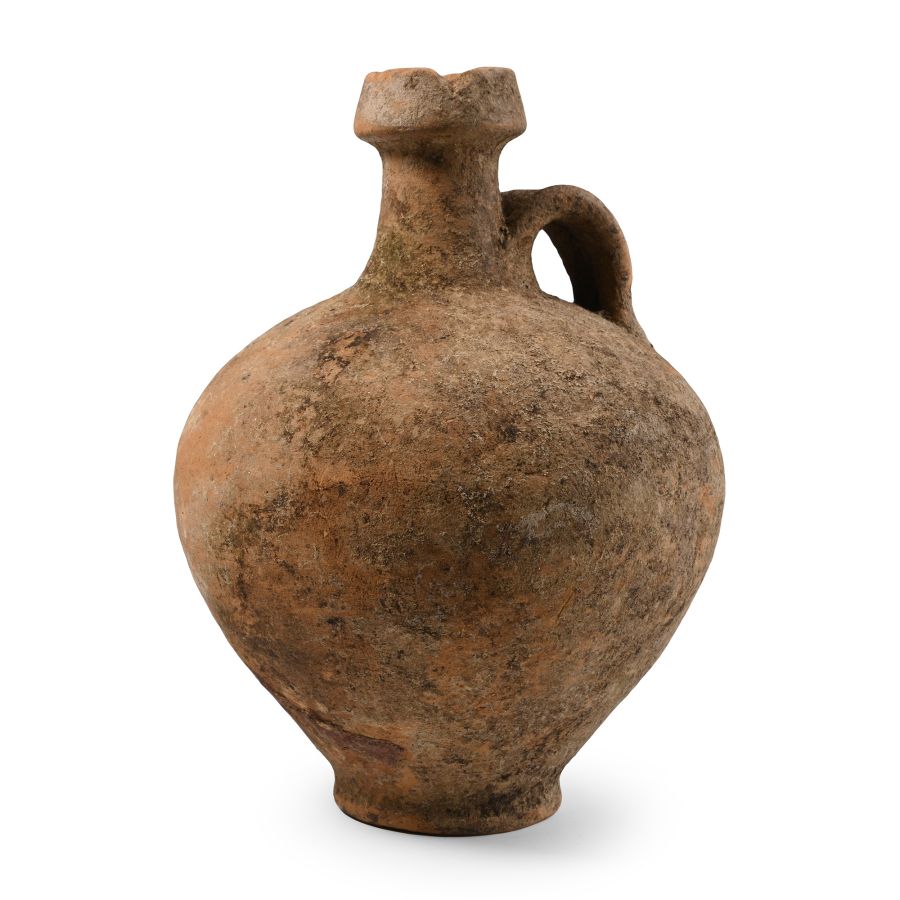
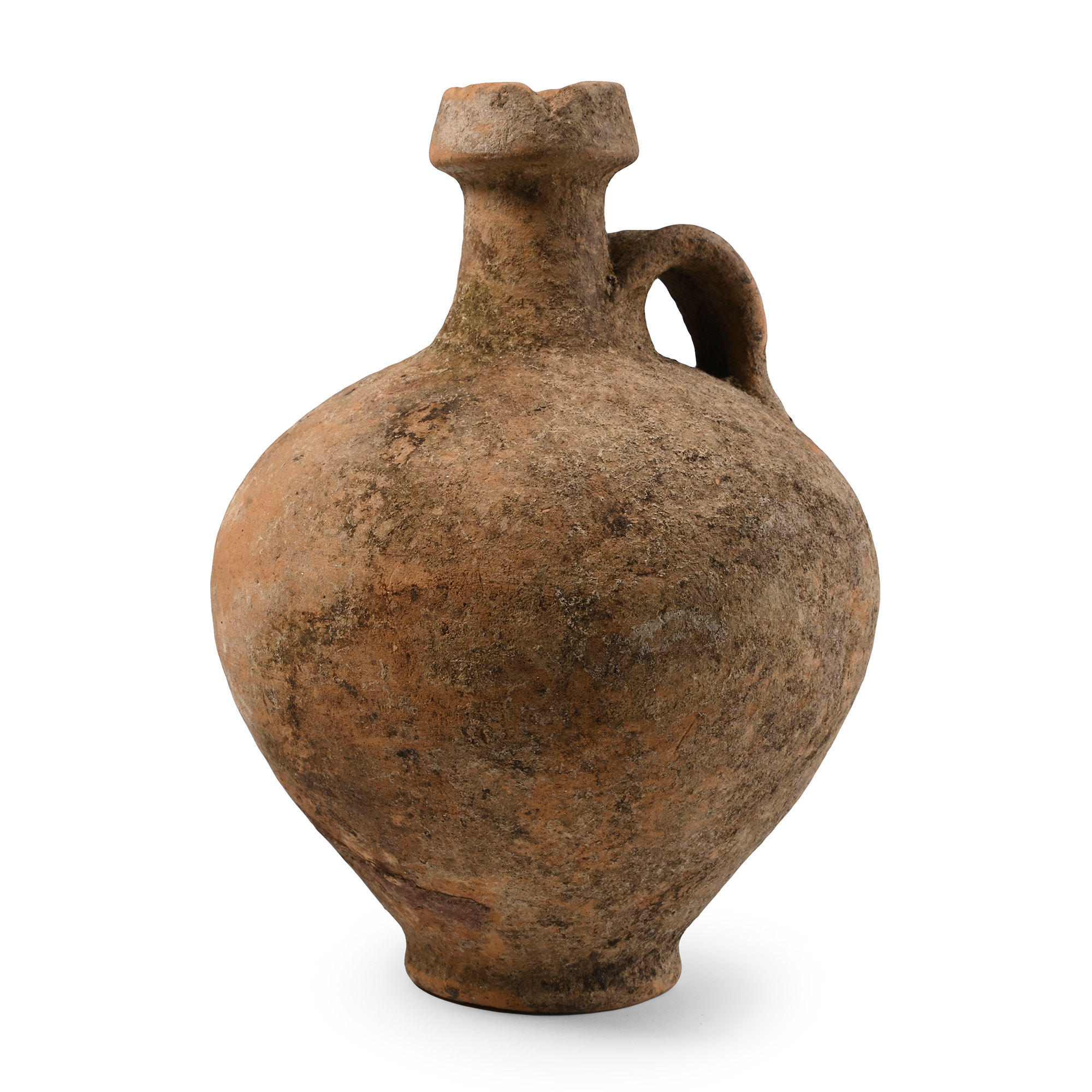
Roman Terracotta Wine Flagon
3RD-4TH CENTURY A.D.
6 5/8 in. (448 grams, 16.8 cm).
With narrow foot and broad shoulder, biconvex mouth and strap handle; mouth chipped. [No Reserve]
ProvenanceEx German art market, 2000s.
Acquired from an EU collector living in London.
From the collection of a Surrey, UK, gentleman.
TimeLine Auctions follows a vetting process to ensure the authenticity and legality of all items, reinforcing our commitment to integrity and responsible trading. Each antiquity, antique, and coin lot undergoes thorough examination by a vetting committee of at least ten external specialists, professional trade association members, scientists, and archaeologists: Our Vetting Process
AUCTIONS:
TimeLine is a leading auction house specialising in antiquities, ancient art, collectables, natural history, coins, medals, and books. Our auctions offer museums, collectors, historians, and enthusiasts the opportunity to acquire unique and historically significant pieces.
-
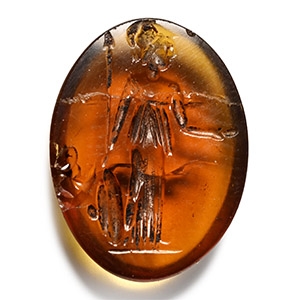
Roman Gemstone with Minerva
2nd century A.D.Estimate: £200 - 300 (+bp*)
Opening Bid: £90
Plano-convex in section with incuse image of Minerva standing with one hand extended, holding her spear and shield. 1.18 grams, 17 mm
Acquired 1970s-1996. Property of a North American collector. London collection, 2016. -
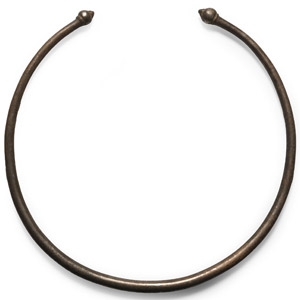
Eastern Roman Silver Neck Torc
3rd-4th century A.D.Sold for (Inc. bp): £260
With round-section shank and acorn-shaped finials. 114 grams, 16.6 cm
Property of a European gentleman; formerly in a German private collection formed in the 1950-1970s. -
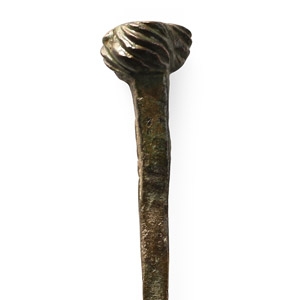
Late Roman Bronze Dress Pin
4th-5th century A.D.Sold for (Inc. bp): £46
With square-section tapering shaft, head formed as three radiating lobes with twisted ornament. 11.9 grams, 93 mm
From a private Tyneside collection, formed since the early 2000s.
