
Loading, please wait...
LOT 0849
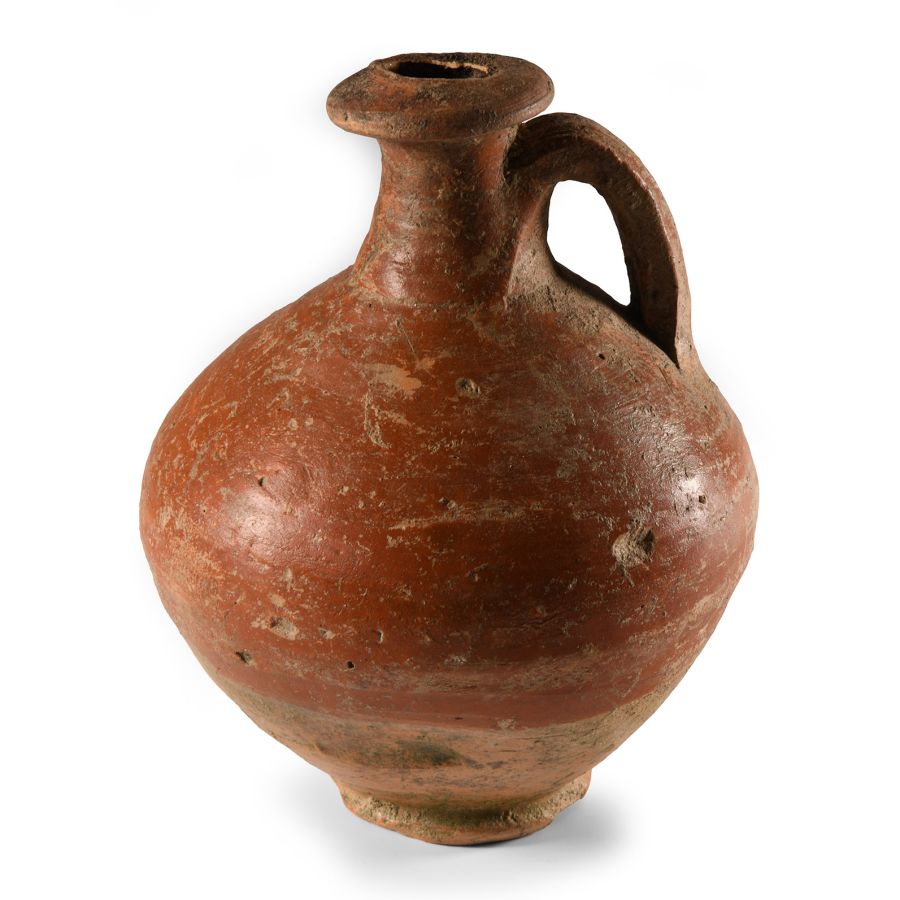
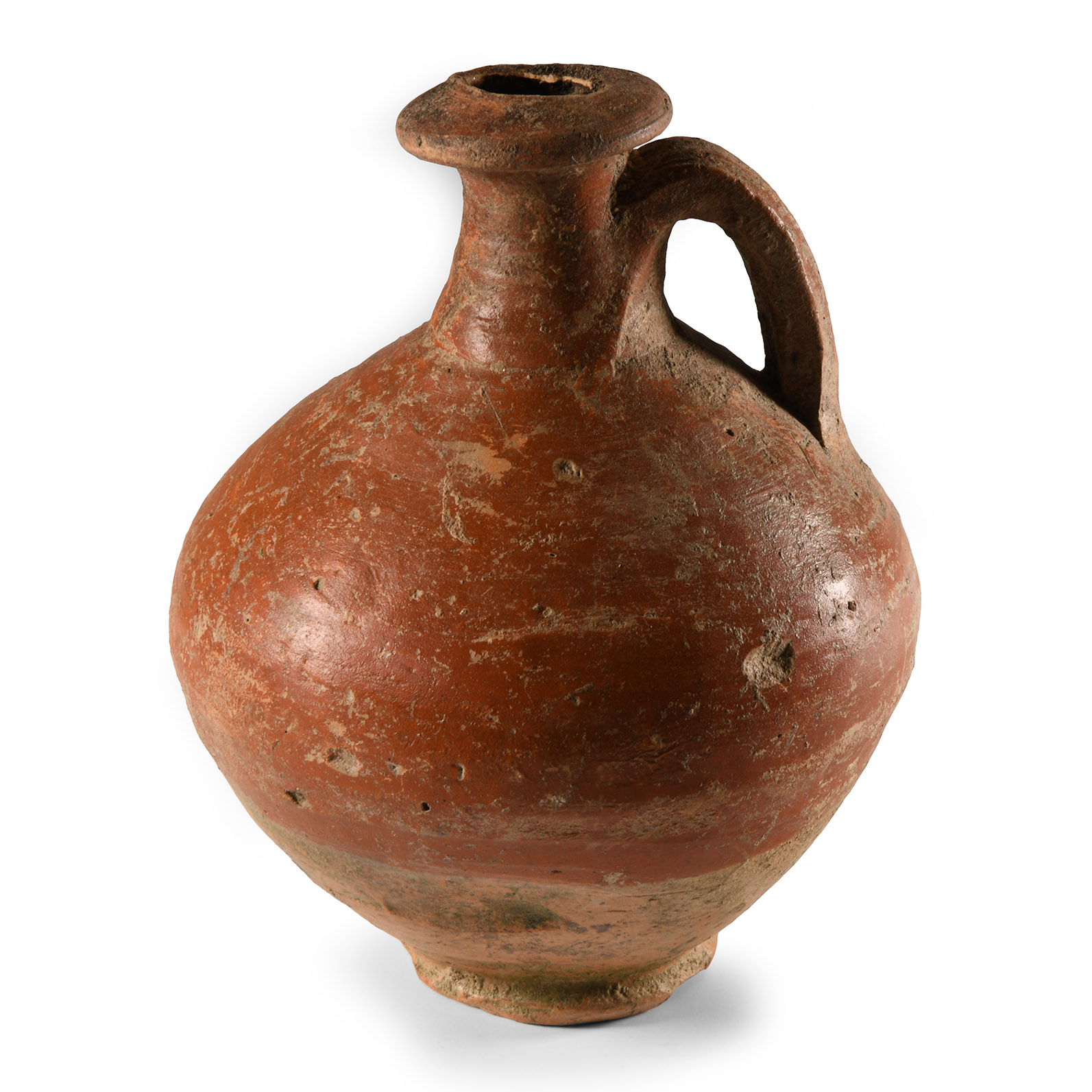
Roman Terracotta Wine Flagon
1ST-2ND CENTURY A.D.
5 3/4 in. (380 grams, 14.7 cm high).
With globular body, thick basal ring, tall columnar neck with biconical collar, single strap handle to the rear.
ProvenanceEx German art market, 2000s.
Acquired from an EU collector living in London.
From the collection of Surrey, UK, gentleman.
TimeLine Auctions follows a vetting process to ensure the authenticity and legality of all items, reinforcing our commitment to integrity and responsible trading. Each antiquity, antique, and coin lot undergoes thorough examination by a vetting committee of at least ten external specialists, professional trade association members, scientists, and archaeologists: Our Vetting Process
AUCTIONS:
TimeLine is a leading auction house specialising in antiquities, ancient art, collectables, natural history, coins, medals, and books. Our auctions offer museums, collectors, historians, and enthusiasts the opportunity to acquire unique and historically significant pieces.
-
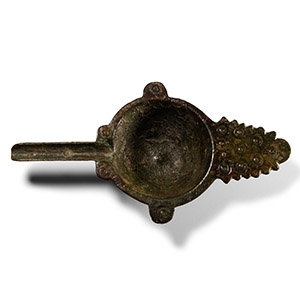
Roman Bronze Oil Lamp Filler
3rd-4th century A.D.Sold for (Inc. bp): £780
Decorative lamp filler with deep conical bowl, two lateral D-shaped lugs to the rim, U-section filler channel, flat handle to the rear with ring-and-dot detailing. 107 grams, 15.5 cm
From a collection acquired on the UK art market from various auction houses and collections mostly before 2000. From an important Cambridgeshire estate; thence by descent. -
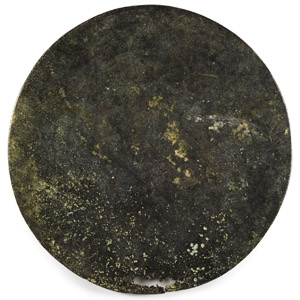
Roman Bronze Mirror
1st-2nd century A.DSold for (Inc. bp): £72
Discoid plaque with one polished face, slightly raised rim; cracked. 100 grams, 11.5 cm
From a collection acquired on the UK art market from various auction houses and collections mostly before 2000. From an important Cambridgeshire estate; thence by descent. -
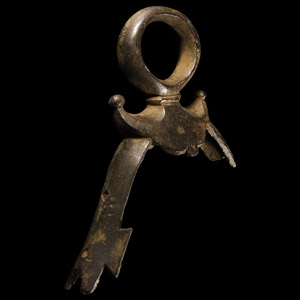
Large Romano-British Bronze Chariot Terret
1st century A.D.Sold for (Inc. bp): £130
From the yoke of a chariot comprising a D-section ring, collar and knop-ended crescents, broad pierced lateral flanges. 365 grams, 16.5 cm
Reputed to have been excavated near Viables in Hampshire at the end of the 19th century. From the estate of the late Jennifer Simmonds. Acquired from Jacobs & Hunt auctioneers, Petersfield, Hampshire, UK.
