
Loading, please wait...
LOT 0606
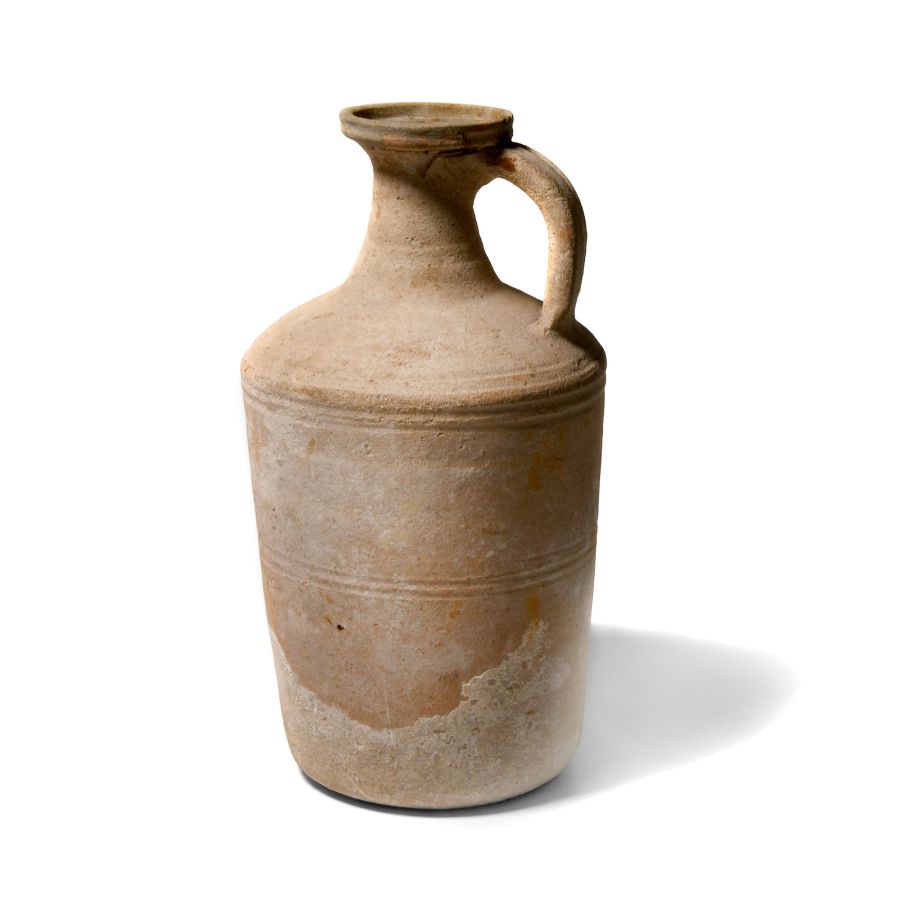
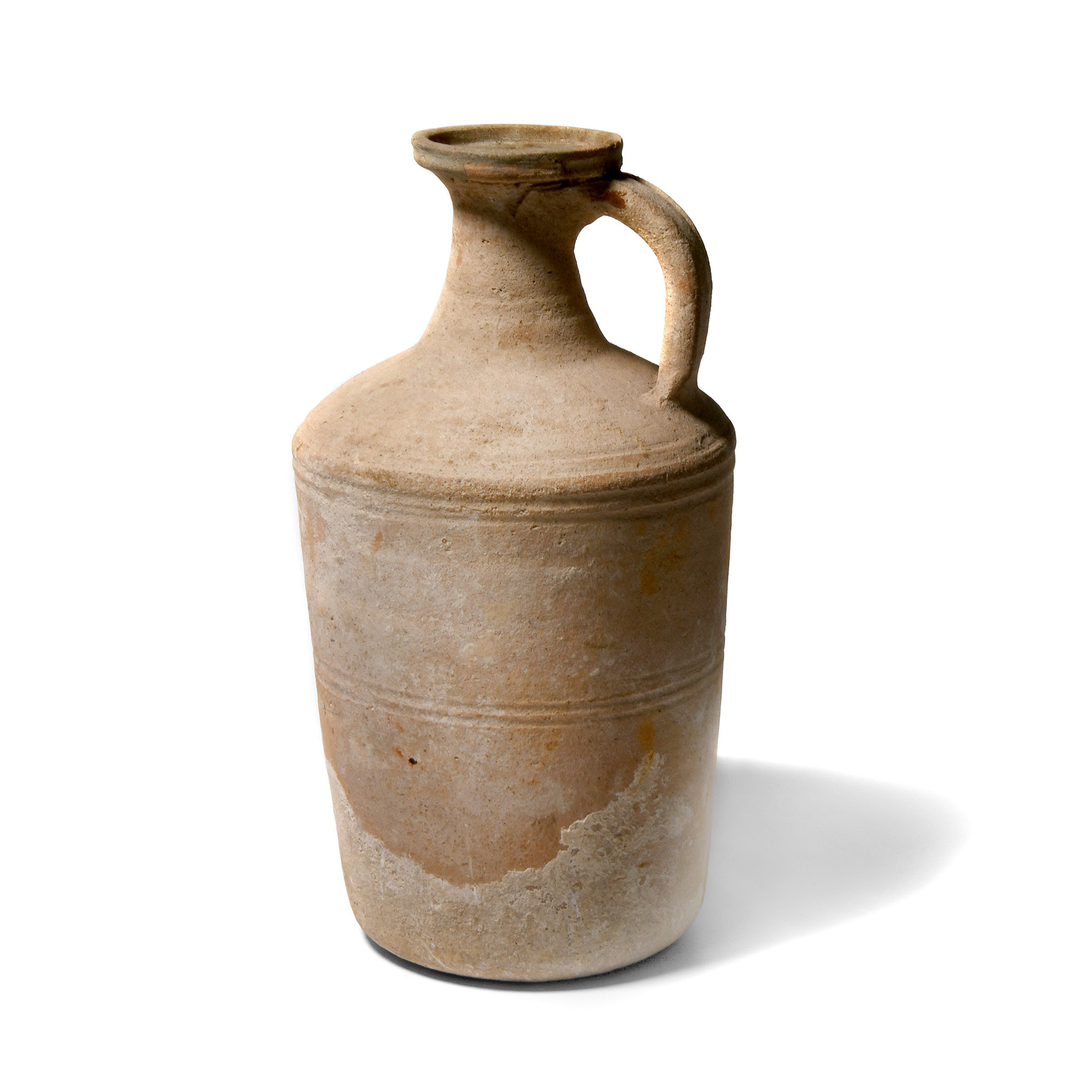
Roman Terracotta Vessel
1ST-4TH CENTURY A.D.
9 in. (714 grams, 23 cm high).
Of cylindrical form with gusseted rim and handle. [No Reserve]
ProvenanceAcquired 1960s-1990s.
Late Alison Barker collection, a retired London barrister.
TimeLine Auctions follows a vetting process to ensure the authenticity and legality of all items, reinforcing our commitment to integrity and responsible trading. Each antiquity, antique, and coin lot undergoes thorough examination by a vetting committee of at least ten external specialists, professional trade association members, scientists, and archaeologists: Our Vetting Process
AUCTIONS:
TimeLine is a leading auction house specialising in antiquities, ancient art, collectables, natural history, coins, medals, and books. Our auctions offer museums, collectors, historians, and enthusiasts the opportunity to acquire unique and historically significant pieces.
-
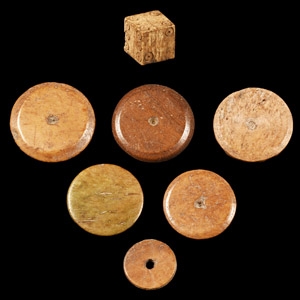
Roman 'Thames' Bone Gaming Piece and Dice Group
1st-4th century A.D.Sold for (Inc. bp): £124
Comprising six polished discoid counters and a single dice, the latter configured: 1:6; 2:5; 3:4 in punched ring-and-dot markers. 8 grams total, 7-18 mm
Found Billingsgate spoil from the Thames foreshore, London, UK. -
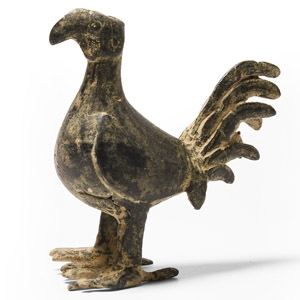
Large Roman Bronze Cockerel Statuette
3rd-4th century A.D.Estimate: £500 - 700 (+bp*)
Opening Bid: £278
Modelled free-standing and in the round with stylised anatomical detailing. 109 grams, 77 mm
‘The Ancient Menagerie Collection’ formerly the property of a Cambridgeshire lady, collected since the 1990s and acquired from auctions and dealers throughout Europe and the USA, now ex London collection. -
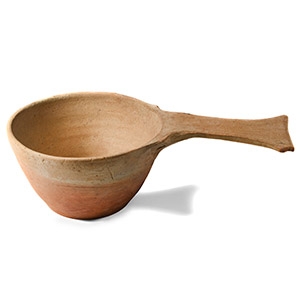
Roman Terracotta Trulla
Circa 3rd-4th century A.D.Sold for (Inc. bp): £234
Comprising a truncated conoid body and integral splayed handle. 248 grams, 22 cm
Acquired 1990s-early 2000s. East Anglian private collection.
A trulla was a type of pan used by the Romans.
