
Loading, please wait...
LOT 0763
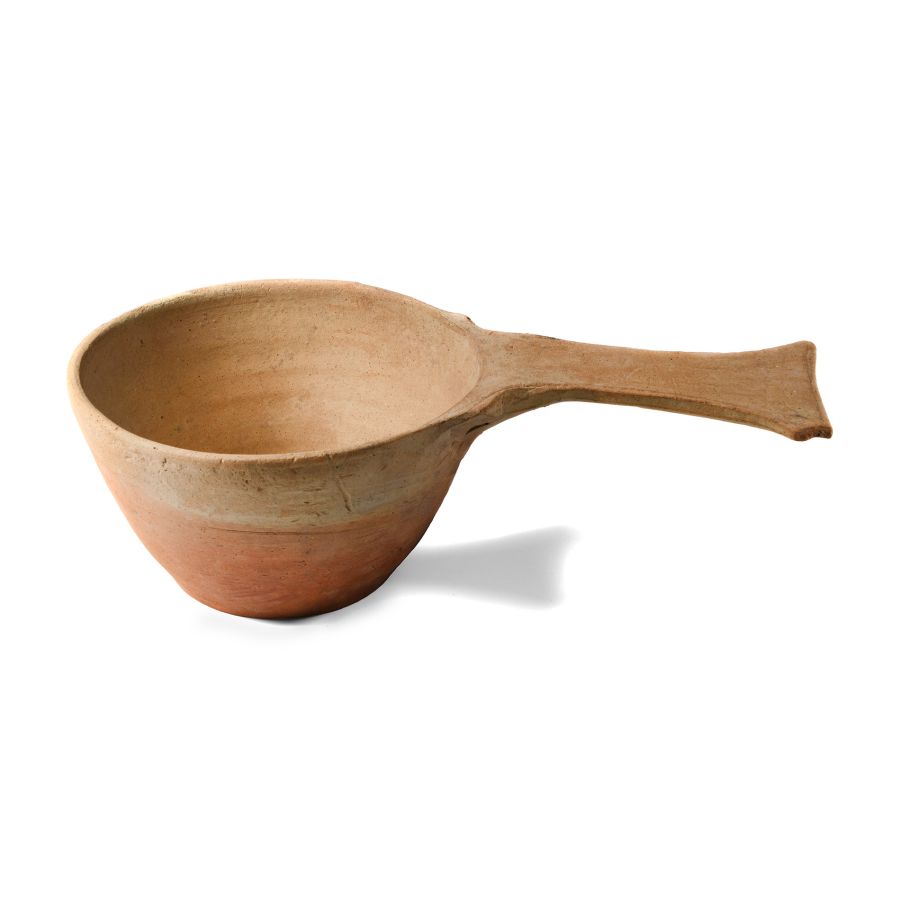
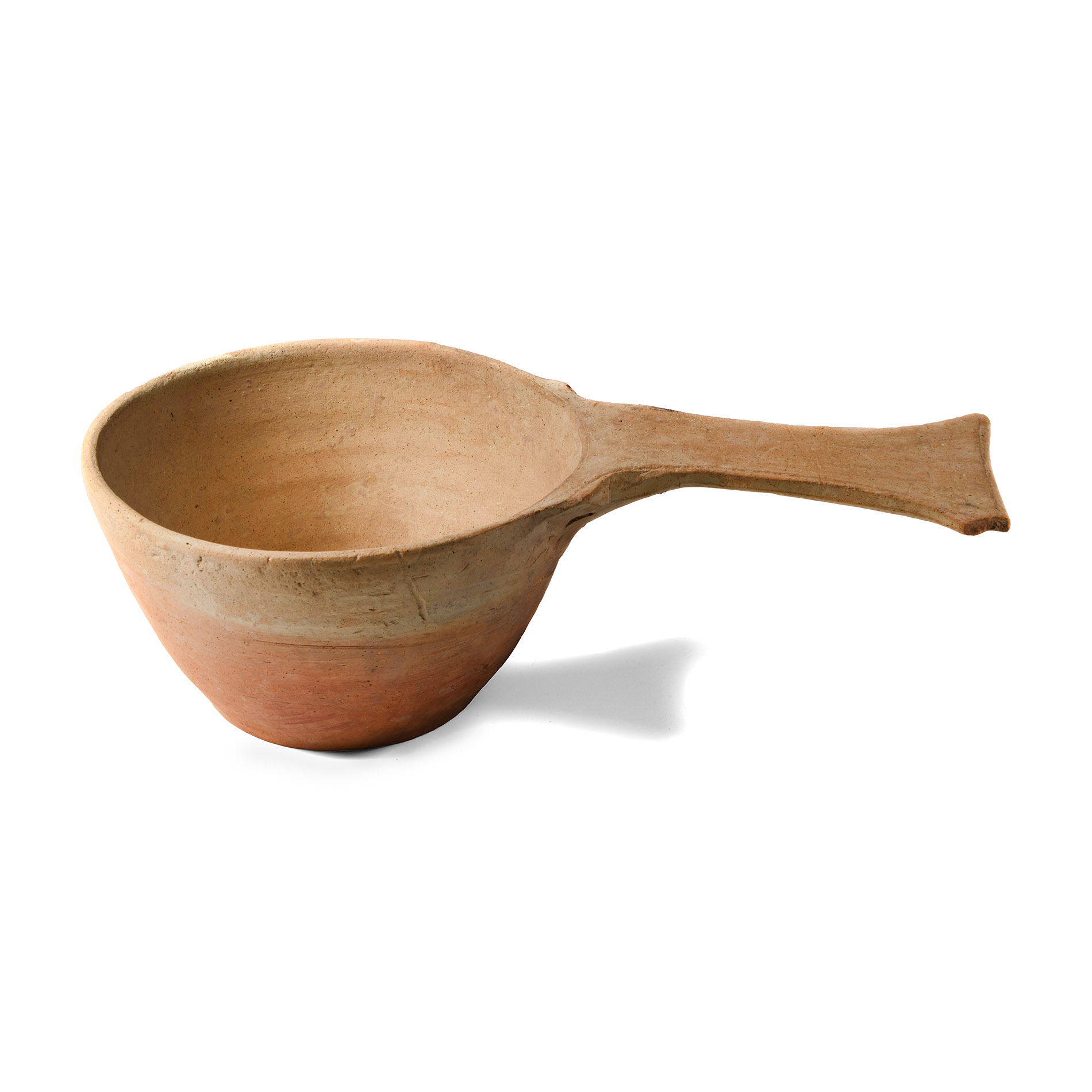
Roman Terracotta Trulla
CIRCA 3RD-4TH CENTURY A.D.
8 5/8 in. (248 grams, 22 cm).
Comprising a truncated conoid body and integral splayed handle.
ProvenanceAcquired 1990s-early 2000s.
East Anglian private collection.
A trulla was a type of pan used by the Romans.
CONDITIONTimeLine Auctions follows a vetting process to ensure the authenticity and legality of all items, reinforcing our commitment to integrity and responsible trading. Each antiquity, antique, and coin lot undergoes thorough examination by a vetting committee of at least ten external specialists, professional trade association members, scientists, and archaeologists: Our Vetting Process
AUCTIONS:
TimeLine is a leading auction house specialising in antiquities, ancient art, collectables, natural history, coins, medals, and books. Our auctions offer museums, collectors, historians, and enthusiasts the opportunity to acquire unique and historically significant pieces.
-
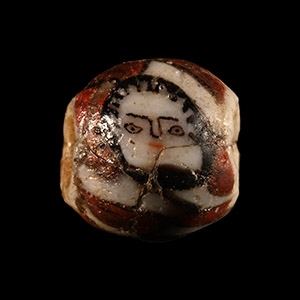
Roman Glass Face Bead
1st century B.C.-1st century A.D.Sold for (Inc. bp): £182
Of roughly spherical form, opaque polychrome checked design incorporating two stylised human faces. 1.34 grams, 10 mm
Ex private collection, 1980s. Acquired on the UK art market in the 1990s. -

Roman Bronze Plaque with Eros on Lion
Circa 2nd-4th century A.D.Estimate: £1,500 - 2,000 (+bp*)
Opening Bid: £600
Modelled in relief with openwork elements, stylised detailing to both figures; hollow reverse. 182 grams, 10.2 cm high
Acquired 1990s-early 2000s. East Anglian private collection.
Hollow cast bronze images of Eros riding a lion are linked to the Eastern Levant and have been found for example in Tamna, probably a Roman import. The importance of the long-distance contacts within the Eastern Mediterranean areas was rapidly reflected in provincial artistic styles, probably as soon as in Hellenistic times, at the beginning of the third century B.C., possibly even earlier. The unquestionable Greek influence led a number of scholars to define three main styles for the bronzes discovered in the eastern Roman provinces: a local type and iconography locally produced, Greek or Roman imports, and Oriental, Hellenistic, or Roman style, locally produced. -

Roman Gemstone with Winged Deities
Circa 1st-2nd century A.D.Sold for (Inc. bp): £494
Comprising a rock crystal cloison with intaglio scene of a winged kneeling male with outstretched arms receiving a winged baby from a seated winged female; accompanied by a museum-quality impression. 3.42 grams, 21 mm
Ex property of a London gentleman; acquired by his father in the 1970s; thence by descent.
