
Loading, please wait...
LOT 0809
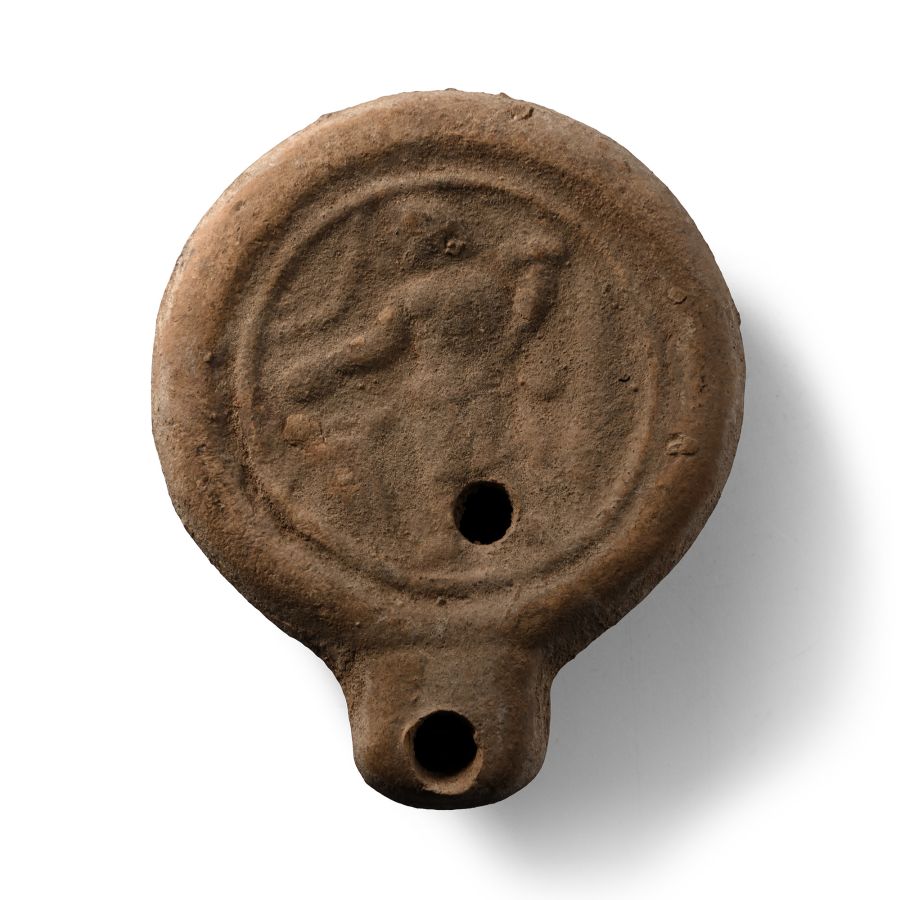
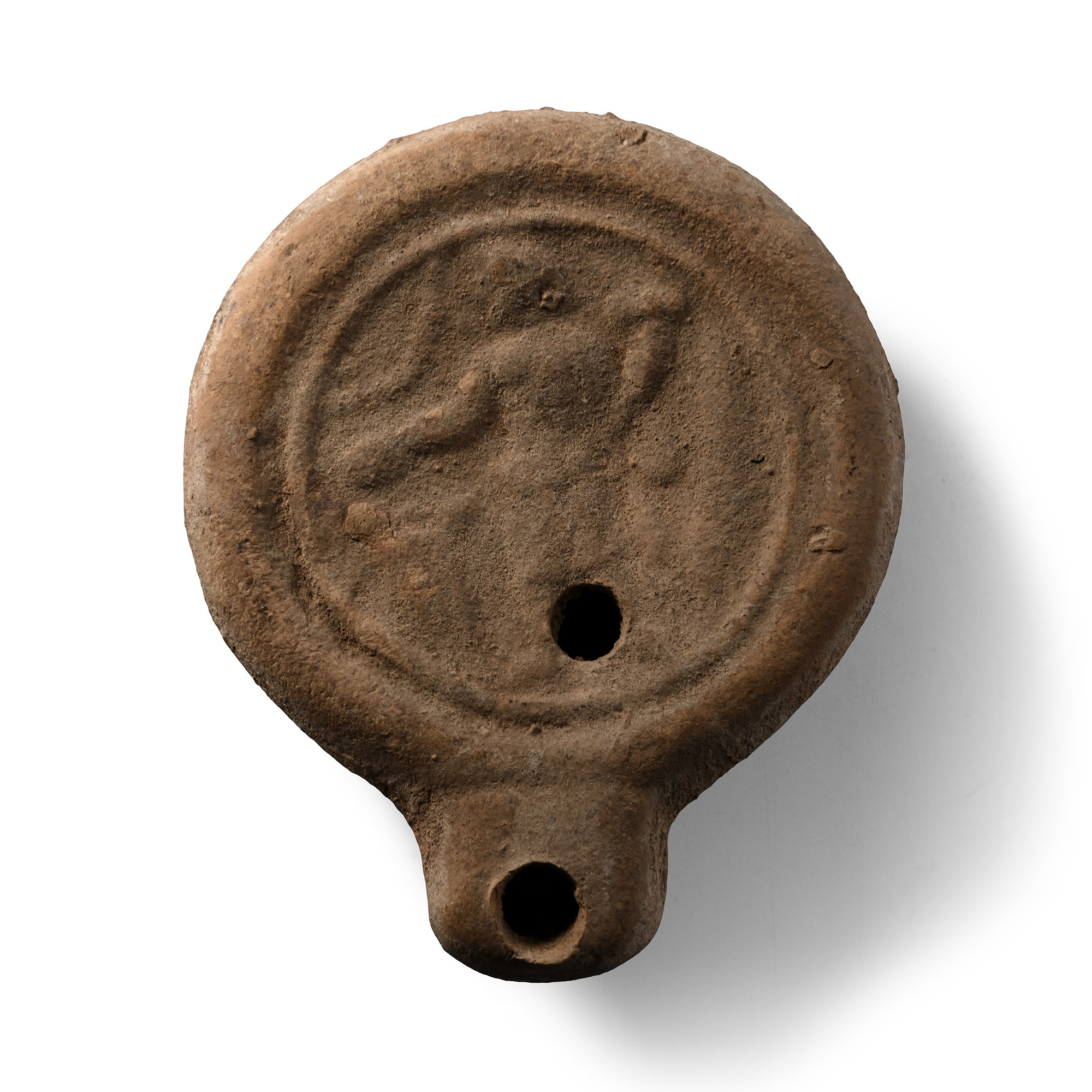
Roman Terracotta Oil Lamp with Minerva Standing
2ND CENTURY A.D.
3 5/8 in. (73 grams, 93 mm).
Discoid in plan with short nozzle, broad shoulder, discus with frieze depicting a standing female figure with head turned to her right, holding a cornucopia in her left hand, objects in the field; accretion to underside. [No Reserve]
ProvenanceAcquired on the UK art market before 2000.
Property of an Essex, UK, gentleman.
Cf. Bussière, J., Lindros Wohl, B., Ancient Lamps in the J. Paul Getty Museum, Malibu, 2017, no.327, p.230, for type.
CONDITIONTimeLine Auctions follows a vetting process to ensure the authenticity and legality of all items, reinforcing our commitment to integrity and responsible trading. Each antiquity, antique, and coin lot undergoes thorough examination by a vetting committee of at least ten external specialists, professional trade association members, scientists, and archaeologists: Our Vetting Process
AUCTIONS:
TimeLine is a leading auction house specialising in antiquities, ancient art, collectables, natural history, coins, medals, and books. Our auctions offer museums, collectors, historians, and enthusiasts the opportunity to acquire unique and historically significant pieces.
-
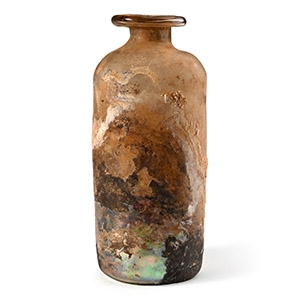
Roman Light Brown Glass Bottle
1st century B.C.-1st century A.D.Estimate: £200 - 300 (+bp*)
Opening Bid: £100
Mould-blown, comprising a flat-based tubular body and short neck with returned flange rim. 69 grams, 14.4 cm
From an important collection of glass, London, UK, 1990s. -
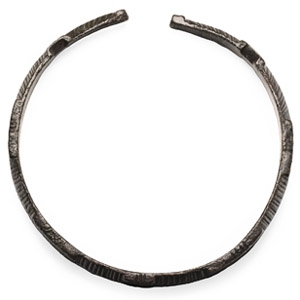
Roman Decorated Bronze Bracelet
2nd-4th century A.D.Sold for (Inc. bp): £72
Penannular body with stylised beast-head finials, ring-and-dot and linear decoration on the upper face. 27.35 grams, 65 mm
From a private Tyneside collection, formed since the early 2000s. -
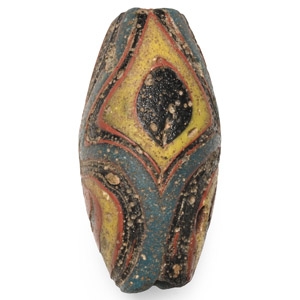
Roman or Later Mosaic Glass Bead
1st-4th century A.D.Sold for (Inc. bp): £46
Fusiform type with folded design in contrasting colours. 4.8 grams, 26 mm
Acquired in London or Japan, early 1980s. Property of a London, UK, gentleman.
