
Loading, please wait...
LOT 0723
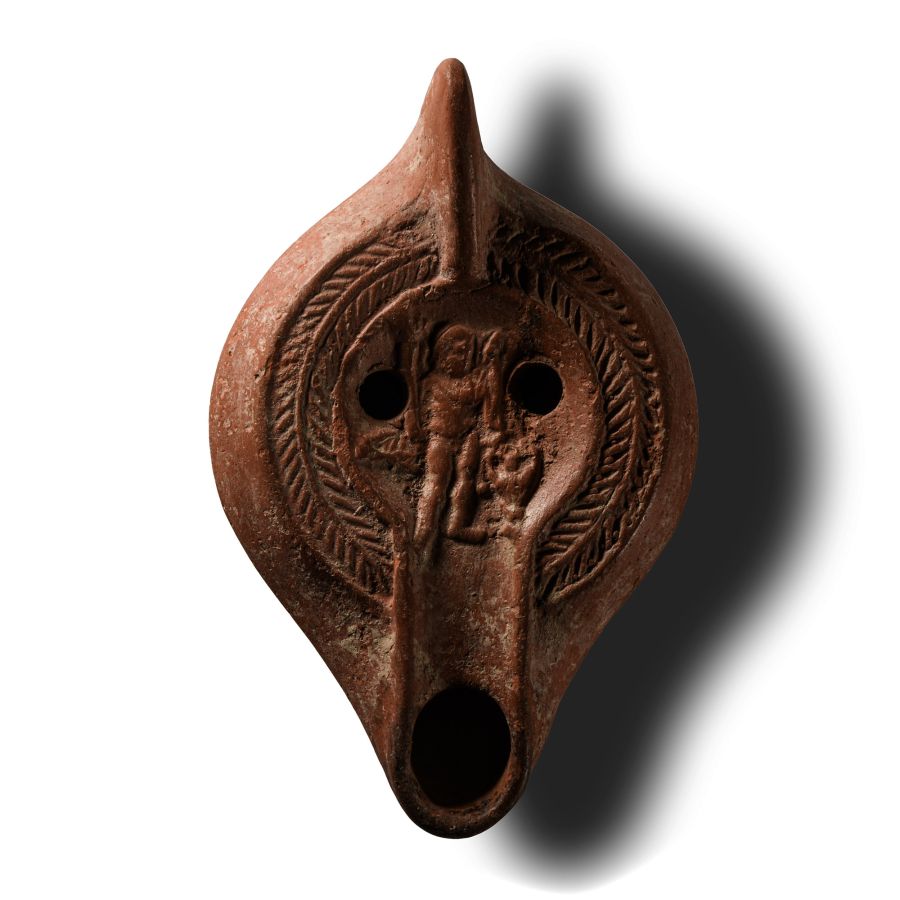
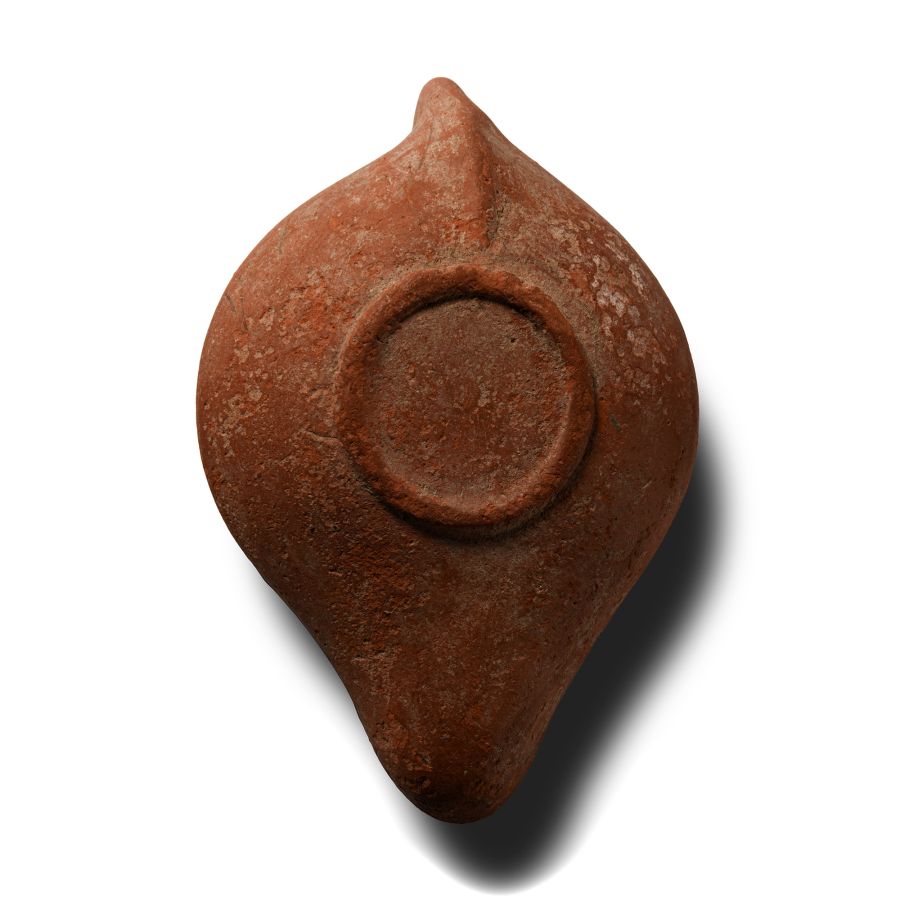
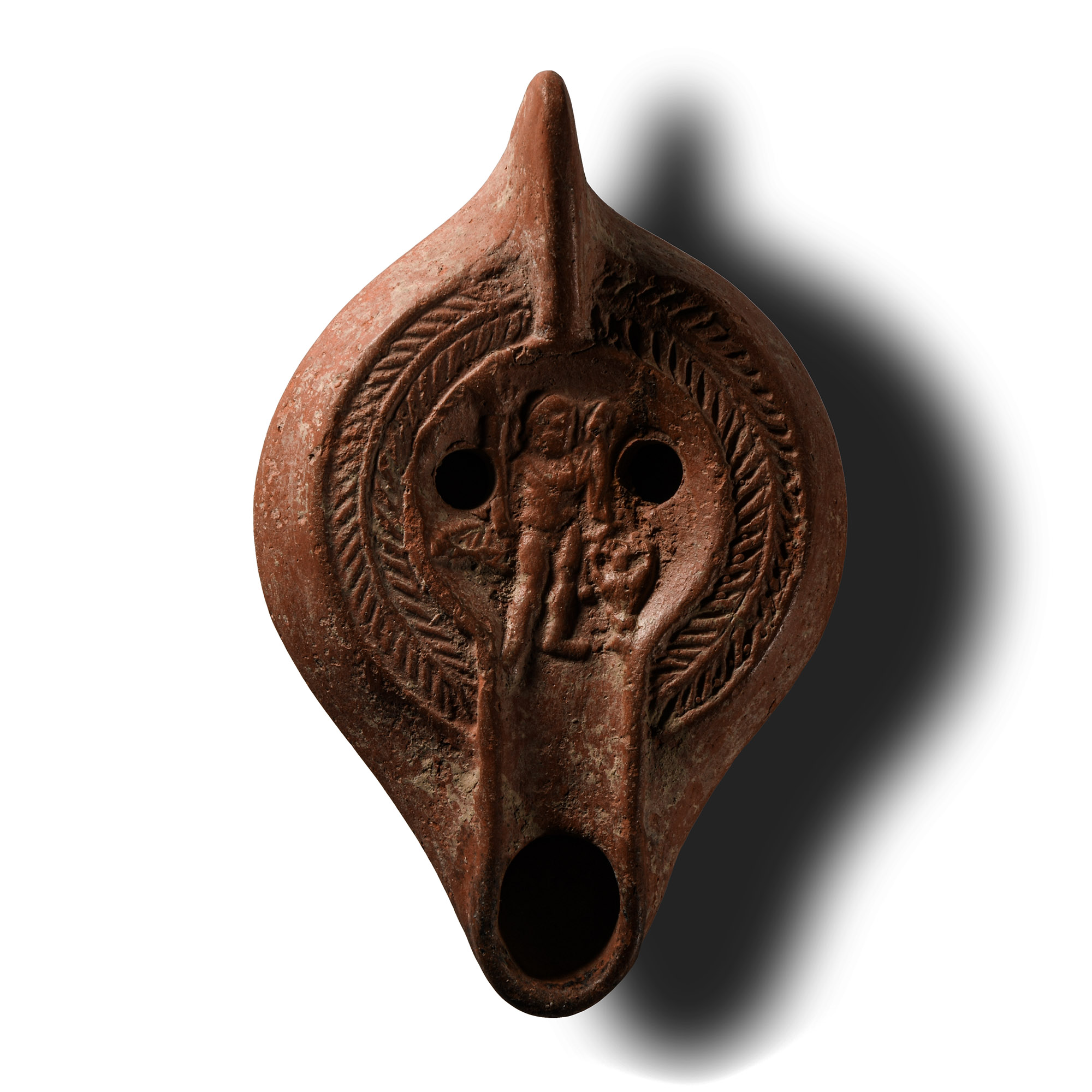
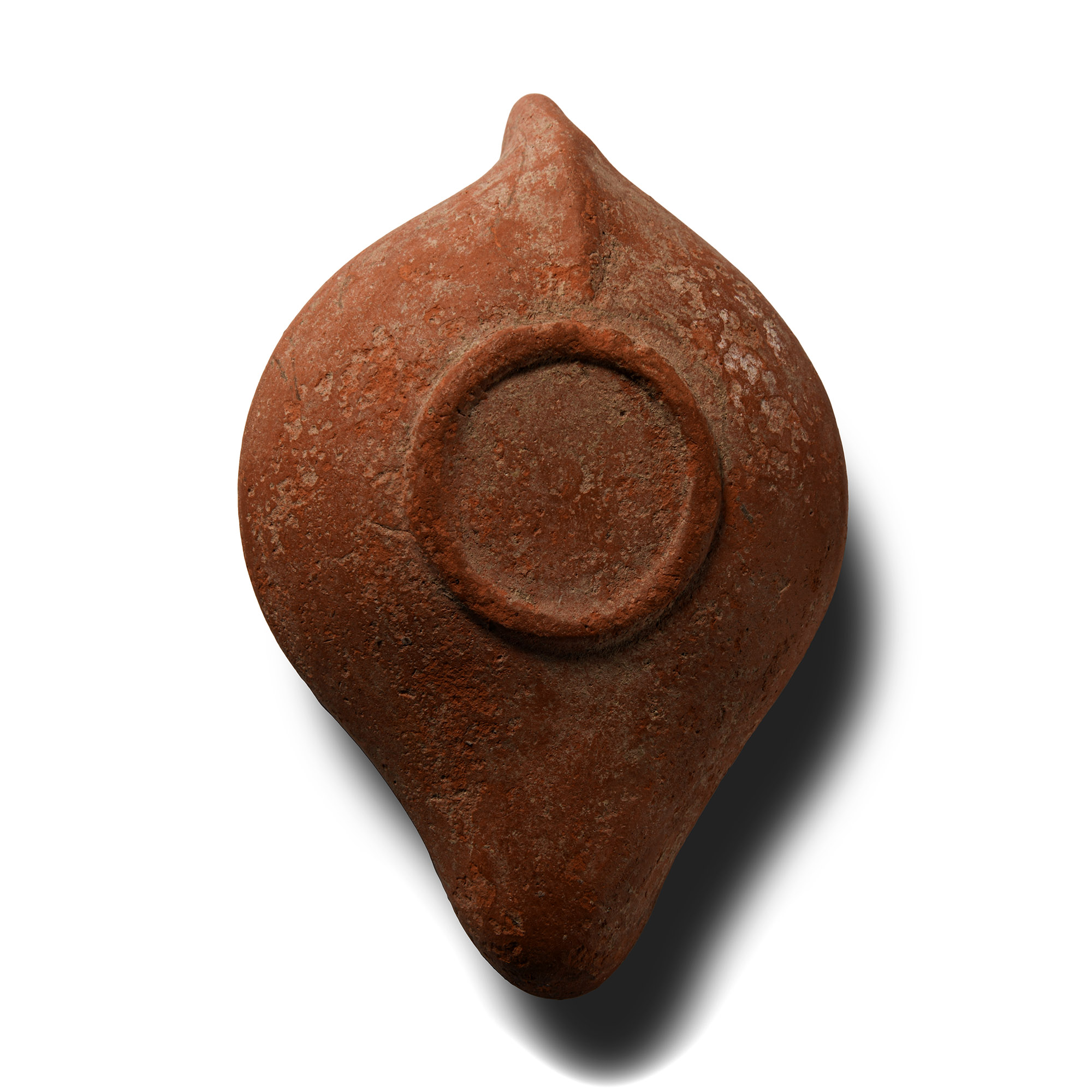
Roman Terracotta Oil Lamp with Cupid
4TH-5TH CENTURY A.D.
4 3/8 in. (110 grams, 11.2 cm).
Burnished surface, broad discus with wreath to the shoulders, stub nozzle, low-relief image of Cupid between the vents. [No Reserve]
ProvenanceProperty of a Gloucestershire, UK, collector.
Property of an East Sussex, UK, gentleman.
Cf. similar item in the Metropolitan Museum of Art, New York, under accession no.27.94.15.
CONDITIONTimeLine Auctions follows a vetting process to ensure the authenticity and legality of all items, reinforcing our commitment to integrity and responsible trading. Each antiquity, antique, and coin lot undergoes thorough examination by a vetting committee of at least ten external specialists, professional trade association members, scientists, and archaeologists: Our Vetting Process
AUCTIONS:
TimeLine is a leading auction house specialising in antiquities, ancient art, collectables, natural history, coins, medals, and books. Our auctions offer museums, collectors, historians, and enthusiasts the opportunity to acquire unique and historically significant pieces.
-
Roman Terracotta Plate
1st-4th century A.D.Sold for (Inc. bp): £124
Circular dish or plate with carinated foot and in-turned rim. 860 grams, 26 cm wide
Acquired 1980-2015. Ex Abelita family collection. -
Roman Bronze Statuette Head of Mercury
Circa 2nd century A.D.Sold for (Inc. bp): £130
Wearing a broad-brimmed petasos with wings above, curls of hair beneath, youthful features. 41 grams, 31 mm
From a collection acquired on the UK art market from various auction houses and collections mostly before 2000. From an important Cambridgeshire estate; thence by descent.
Mercury was the god of trade and industry, whose principle shrine in the city of Rome was at the Circus Maximus. Originally he was one of the gods of riches and profit and it was not until he was equated with the Greek Hermes that he became the god of tradesmen and merchants. He was also the god of thieves and was associated with healing mainly in Gaul where he had a number of important temples connected to sacred springs. -
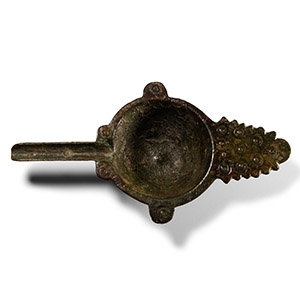
Roman Bronze Oil Lamp Filler
3rd-4th century A.D.Sold for (Inc. bp): £780
Decorative lamp filler with deep conical bowl, two lateral D-shaped lugs to the rim, U-section filler channel, flat handle to the rear with ring-and-dot detailing. 107 grams, 15.5 cm
From a collection acquired on the UK art market from various auction houses and collections mostly before 2000. From an important Cambridgeshire estate; thence by descent.
