
Loading, please wait...
LOT 0804
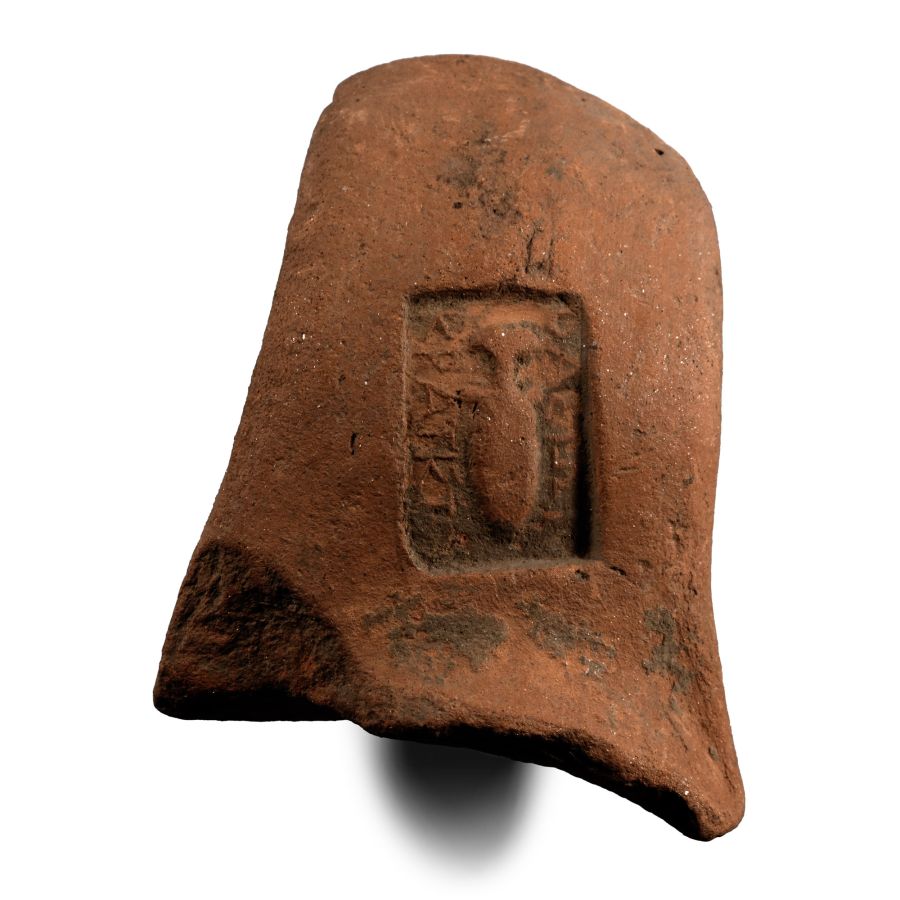
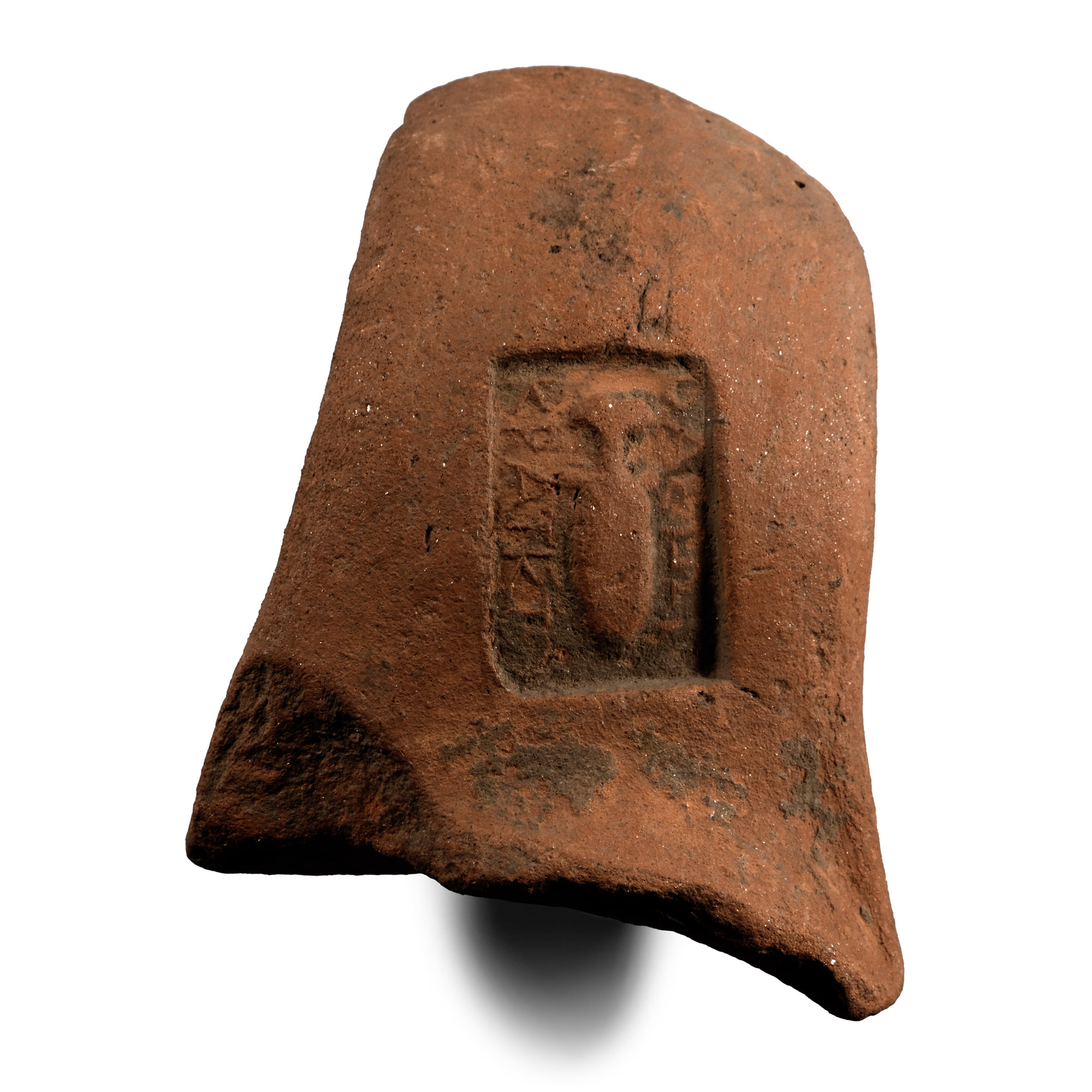
Roman Terracotta Amphora Handle with Stamp
1ST CENTURY A.D.
3 in. (127 grams, 78 mm).
Sharply curving wide handle with a rectangular stamp of an amphora with Greek inscription to both sides.
Provenancewith Galerie Rhéa, Zurich, Switzerland.
This lot is accompanied by an illustrated lot declaration signed by the Head of the Antiquities Department, Dr Raffaele D'Amato.
TimeLine Auctions follows a vetting process to ensure the authenticity and legality of all items, reinforcing our commitment to integrity and responsible trading. Each antiquity, antique, and coin lot undergoes thorough examination by a vetting committee of at least ten external specialists, professional trade association members, scientists, and archaeologists: Our Vetting Process
AUCTIONS:
TimeLine is a leading auction house specialising in antiquities, ancient art, collectables, natural history, coins, medals, and books. Our auctions offer museums, collectors, historians, and enthusiasts the opportunity to acquire unique and historically significant pieces.
-
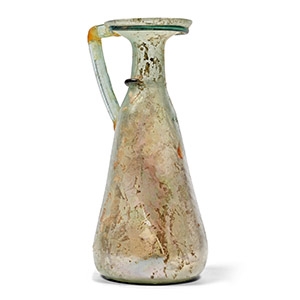
Roman Aqua Glass Jug
1st-4th century A.D.Estimate: £300 - 400 (+bp*)
Opening Bid: £135
With rounded conical body, upward sloping everted rim with sloping internal face; applied trail to upper and lower neck, angular handle; iridescent surfaces; repaired. 57 grams, 14 cm high
Acquired early 1990s. Ex private American collection; thence by descent. Private collection since 1998. This lot is accompanied by an illustrated lot declaration signed by the Head of the Antiquities Department, Dr Raffaele D'Amato. -
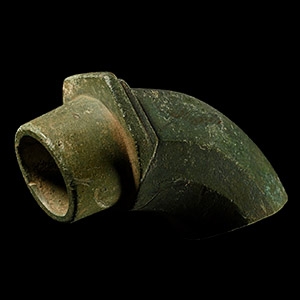
Roman Bronze Public Water Fountain Spout
1st-4th century A.D.Sold for (Inc. bp): £312
With an octagonal curving spout with raised collar and a round-section socket. 267 grams, 89 mm
Property of a Cambridgeshire, UK, collector. From his private collection since the 1970s; thence by descent circa 2000. Ex private collection of a Bedfordshire gentleman. This lot is accompanied by an illustrated lot declaration signed by the Head of the Antiquities Department, Dr Raffaele D'Amato. -
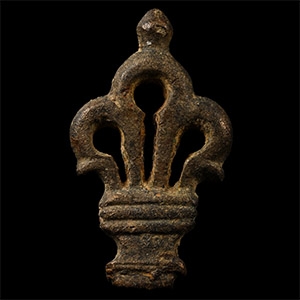
Roman Bronze Openwork Key Handle
Circa 43-410 A.D.Sold for (Inc. bp): £72
Formed as a trefoil with knop finial and balustered base. 52.3 grams, 59 mm
Found Braintree, Essex, UK. Accompanied by a copy of the British Museum's Portable Antiquities Scheme (PAS) report no.ESS-9EF75D. This lot is accompanied by an illustrated lot declaration signed by the Head of the Antiquities Department, Dr Raffaele D'Amato.
