
Loading, please wait...


LOT 214179
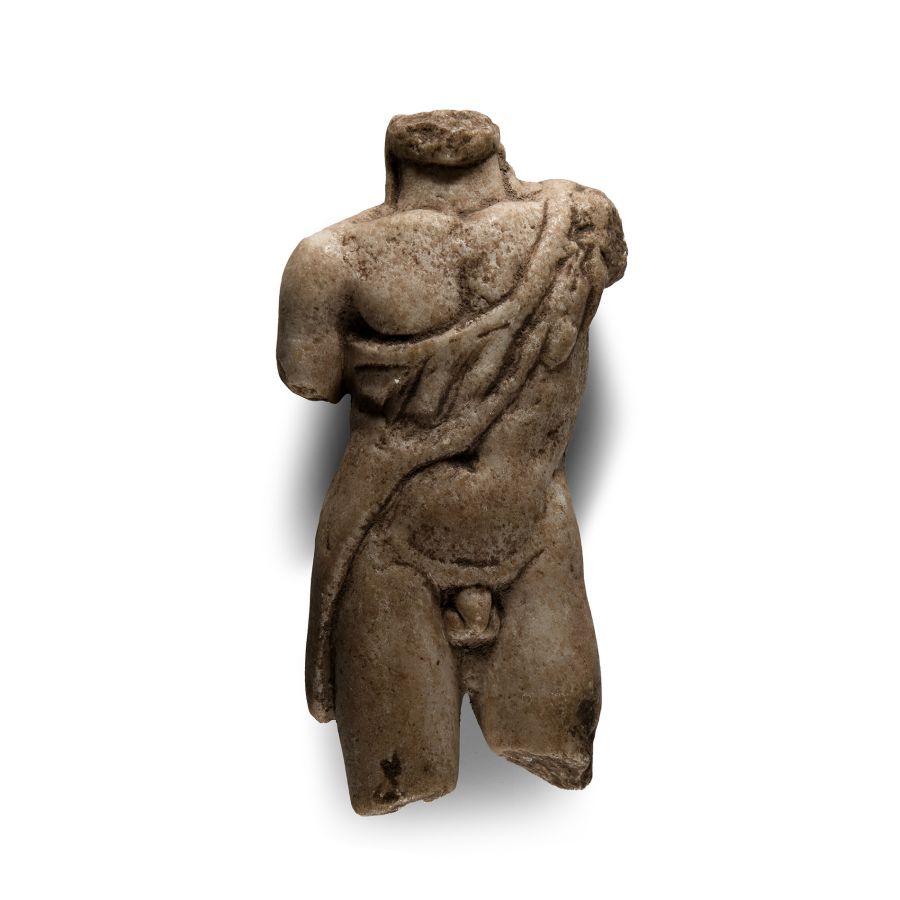
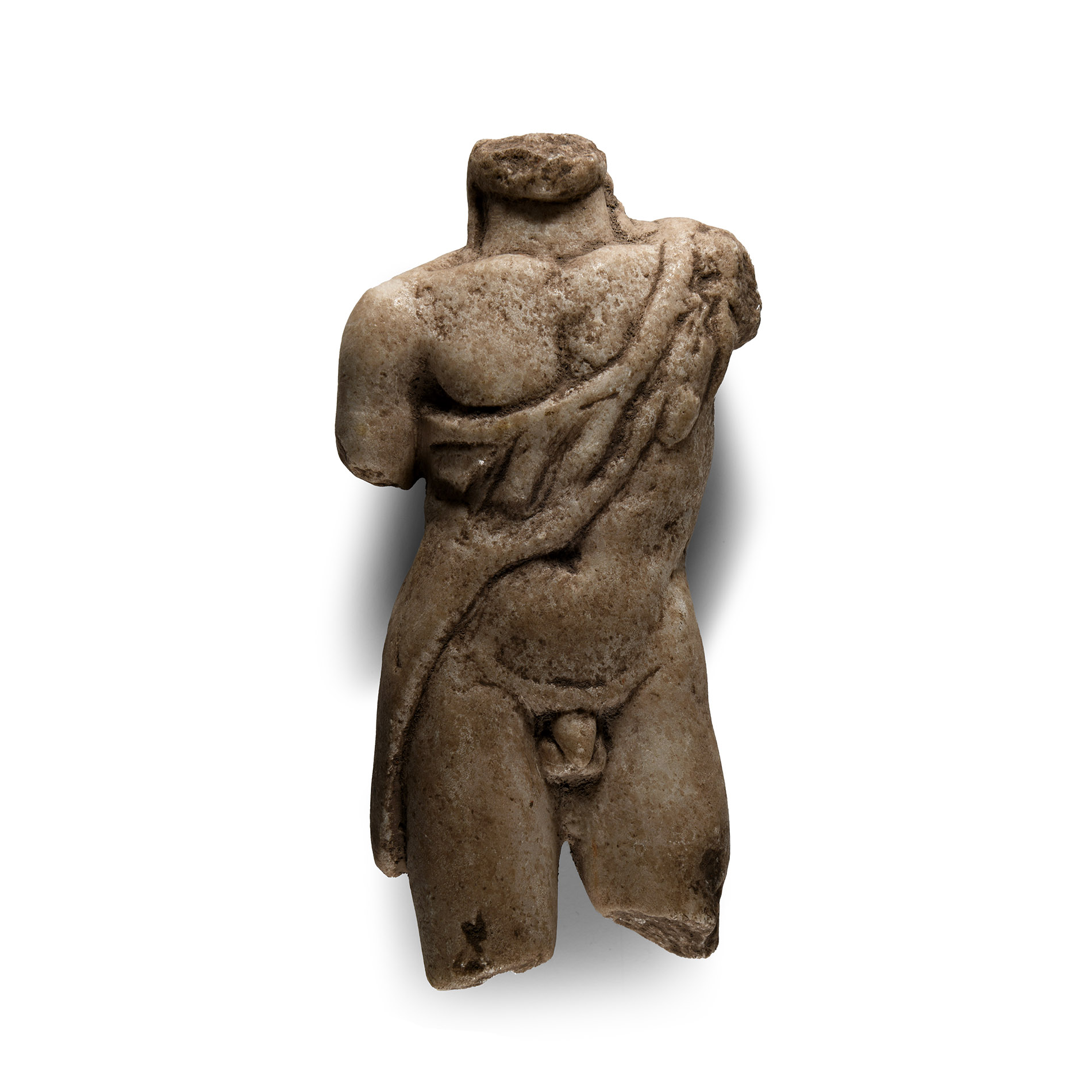
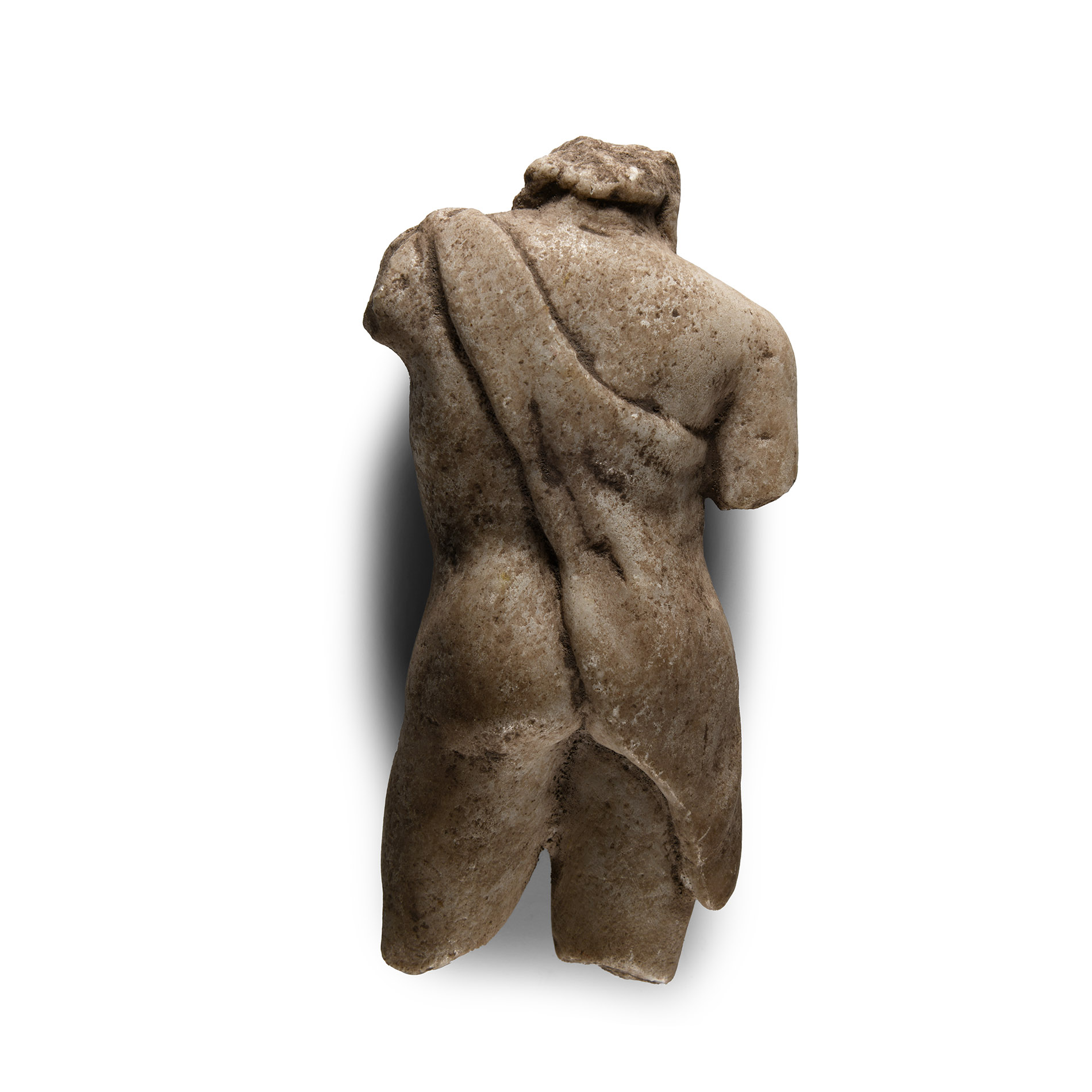
Roman Style Marble Torso with Lionskin
19TH CENTURY A.D. OR EARLIER
5 1/2 in. (508 grams, 14 cm).
Modelled as a muscular nude torso with lionskin draped over the left shoulder.
ProvenanceAcquired in the 1980s.
From an interesting European collection of marbles.
Property of a European gentleman.
Probably intended to depict Hercules, who customarily wore a lionskin.
CONDITIONTimeLine Auctions follows a vetting process to ensure the authenticity and legality of all items, reinforcing our commitment to integrity and responsible trading. Each antiquity, antique, and coin lot undergoes thorough examination by a vetting committee of at least ten external specialists, professional trade association members, scientists, and archaeologists: Our Vetting Process
AUCTIONS:
TimeLine is a leading auction house specialising in antiquities, ancient art, collectables, natural history, coins, medals, and books. Our auctions offer museums, collectors, historians, and enthusiasts the opportunity to acquire unique and historically significant pieces.
LOT 214179
Roman Style Marble Torso with Lionskin
Estimate £400 - 600€460 - 700 (for guidance only)$540 - 810 (for guidance only)
Opening Bid
£222 (EUR 258; USD 300) +BP*
-
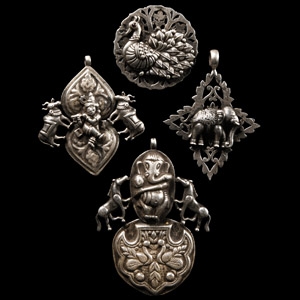
Mixed Pendant Group
20th century A.D.Sold for (Inc. bp): £39
Group of four silver-coloured metal pendants including an openwork quatrefoil with elephant modelled in the half-round, lotus-leaf panels flanked by Nandi bulls, and other types. 52 grams total, 34-62 mm
Property of a South West London gentleman. -
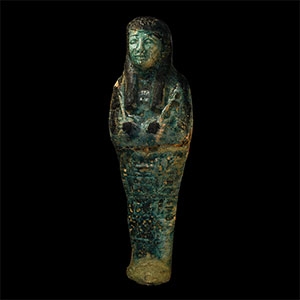
Grand Tour Green Glazed Egyptian Shabti
19th-early 20th century A.D.Sold for (Inc. bp): £39
With black detailing to the tripartite wig, bands of hieroglyphic text to the lower body. 153 grams, 15.5 cm
Fine condition.
Property of a Devon, UK collector, acquired at auction; previously in a private UK collection. -
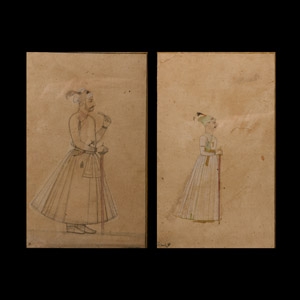
Framed Watercolour Painting Pair by Assad Irani
Persia, early 19th century A.D.Sold for (Inc. bp): £182
Each showing a nobleman standing right, leaning on a sword, concentric borders and gold-coloured stipple-effect, signed by an Iranian artist Assad Irani; both mounted in a reveal and a glazed wooden frame. 2.45 kg total, each 42 x 32 cm
Fine condition.
Acquired on the UK art market, 1980s-1990s. The Woodbridge collection of Indo-Persian art.
