
Loading, please wait...
LOT 1827
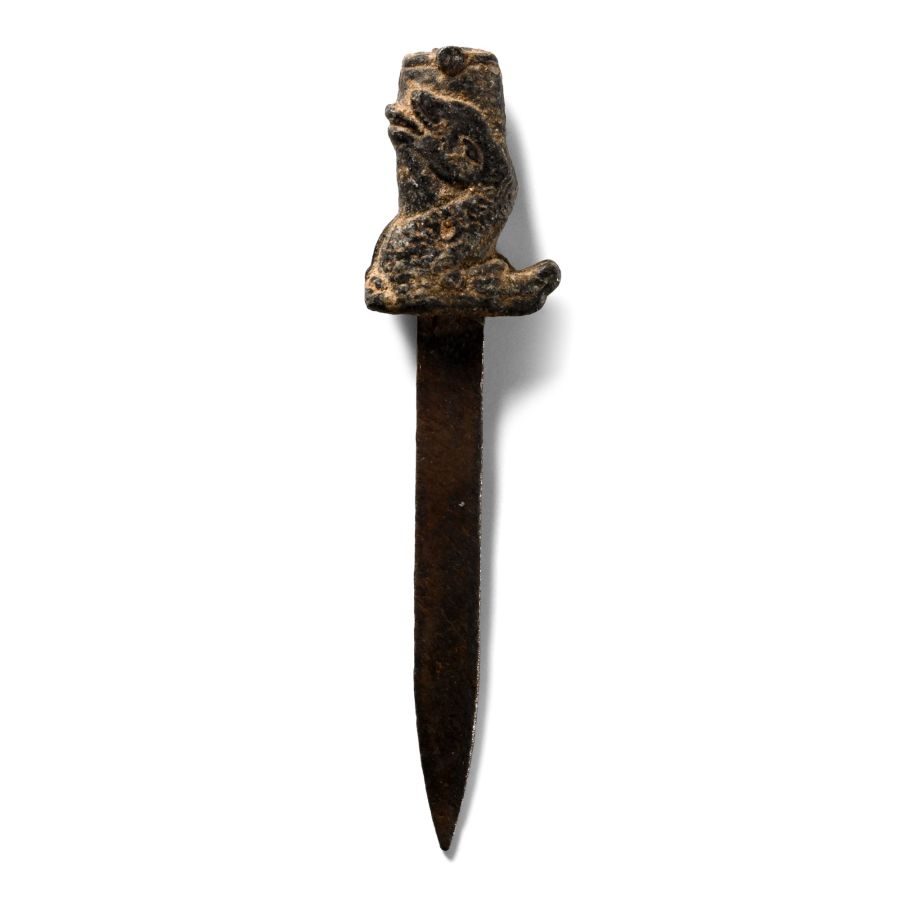
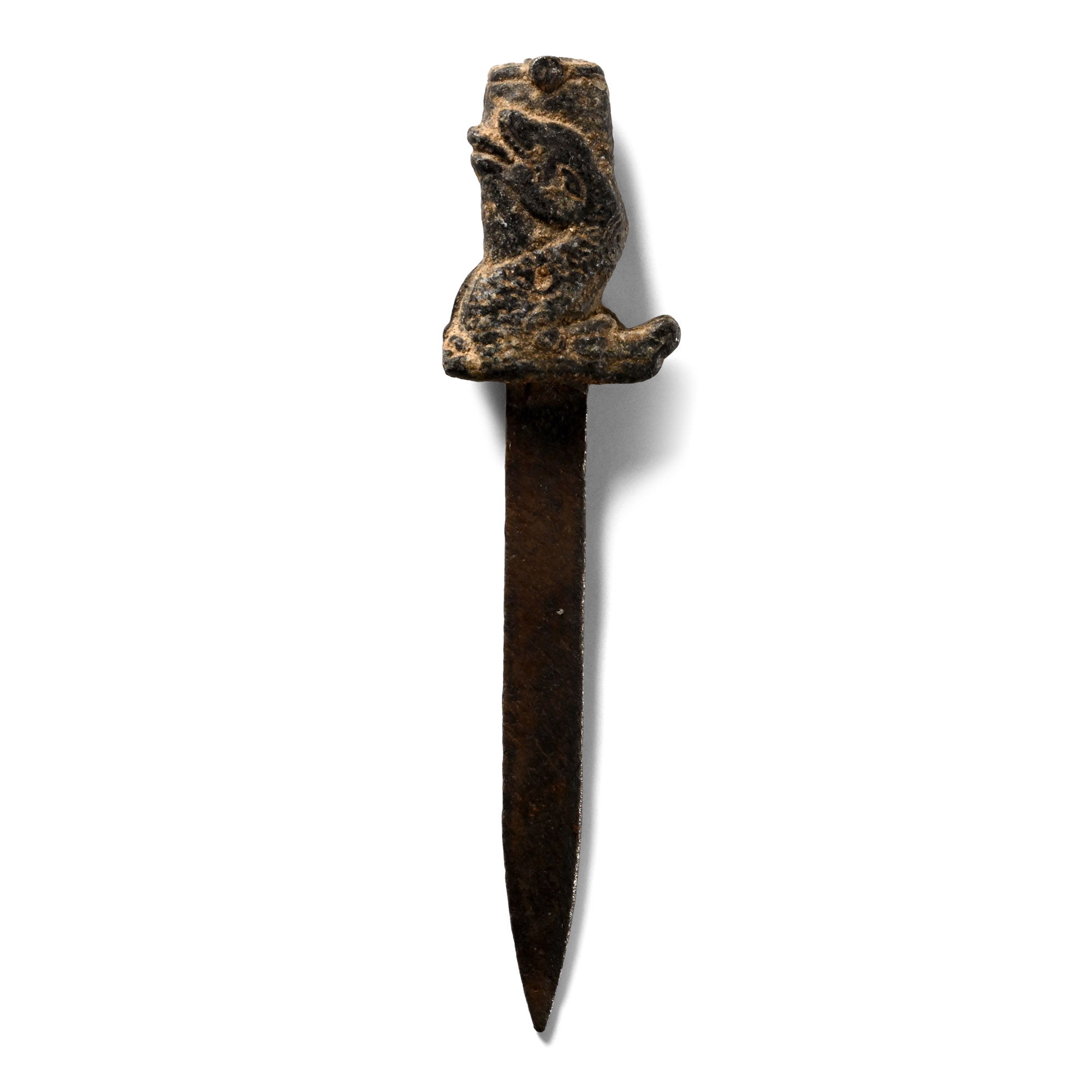
Roman Style Bronze Model Knife
18TH CENTURY A.D. OR LATER
3 3/8 in. (10.7 grams, 87 mm).
With narrow tongue-shaped iron blade and copper-alloy hilt formed as a hippocamp.
ProvenanceFrom the collection of a gentleman, acquired on the London art market in the 1990s.
This lot is accompanied by an illustrated lot declaration signed by the Head of the Antiquities Department, Dr Raffaele D'Amato.
TimeLine Auctions follows a vetting process to ensure the authenticity and legality of all items, reinforcing our commitment to integrity and responsible trading. Each antiquity, antique, and coin lot undergoes thorough examination by a vetting committee of at least ten external specialists, professional trade association members, scientists, and archaeologists: Our Vetting Process
AUCTIONS:
TimeLine is a leading auction house specialising in antiquities, ancient art, collectables, natural history, coins, medals, and books. Our auctions offer museums, collectors, historians, and enthusiasts the opportunity to acquire unique and historically significant pieces.
LOT 1827
Roman Style Bronze Model Knife
Estimate £100 - 140€120 - 160 (for guidance only)$140 - 190 (for guidance only)
-
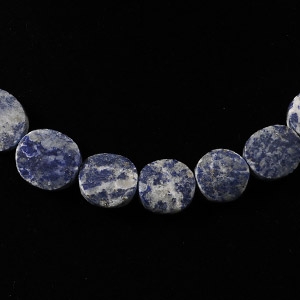
Bactrian Style Lapis Lazuli Large Bead Necklace
20th century A.D.Sold for (Inc. bp): £20
Comprising a graduated series of restrung lentoid-section discoid beads with modern fasteners. 83 grams total, 42.5 cm long
UK gallery, early 2000s. This lot is accompanied by an illustrated lot declaration signed by the Head of the Antiquities Department, Dr Raffaele D'Amato. -
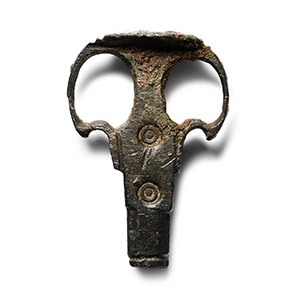
Tudor Bronze Winder Key
16th century A.D. or laterSold for (Inc. bp): £39
With tubular shank and flared lateral arms, ellipsoid panel above. 3.72 grams, 24 mm
Found near Skirpenbeck, Yorkshire, UK, in 1997. From an old Yorkshire, UK, collection. Accompanied by a copy of the British Museum's Portable Antiquities Scheme (PAS) report no.FAKL-404206. This lot is accompanied by an illustrated lot declaration signed by the Head of the Antiquities Department, Dr Raffaele D'Amato.
The item is described by the PAS report as 'probably a watch winding key' although these are very rare until the late 17th century since mechanical timepieces were not portable until then. An alternative use for the item would be for the tuning of a musical instrument: hollow keys for this purpose have been in use since at least the 7th century. -

Western Asiatic Style Millefiori Glass Bead Necklace
20th century A.D.Sold for (Inc. bp): £65
Composed of spherical mosaic glass beads interspersed with small light blue beads, two pairs of biconical blue beads at the ends; restrung with loop-and-bead closure; likely Indonesian. 139 grams, 59 cm
From the family collection of a Hampstead gentleman; formerly acquired in the 1980s. This lot is accompanied by an illustrated lot declaration signed by the Head of the Antiquities Department, Dr Raffaele D'Amato.
