
Loading, please wait...
LOT 0160
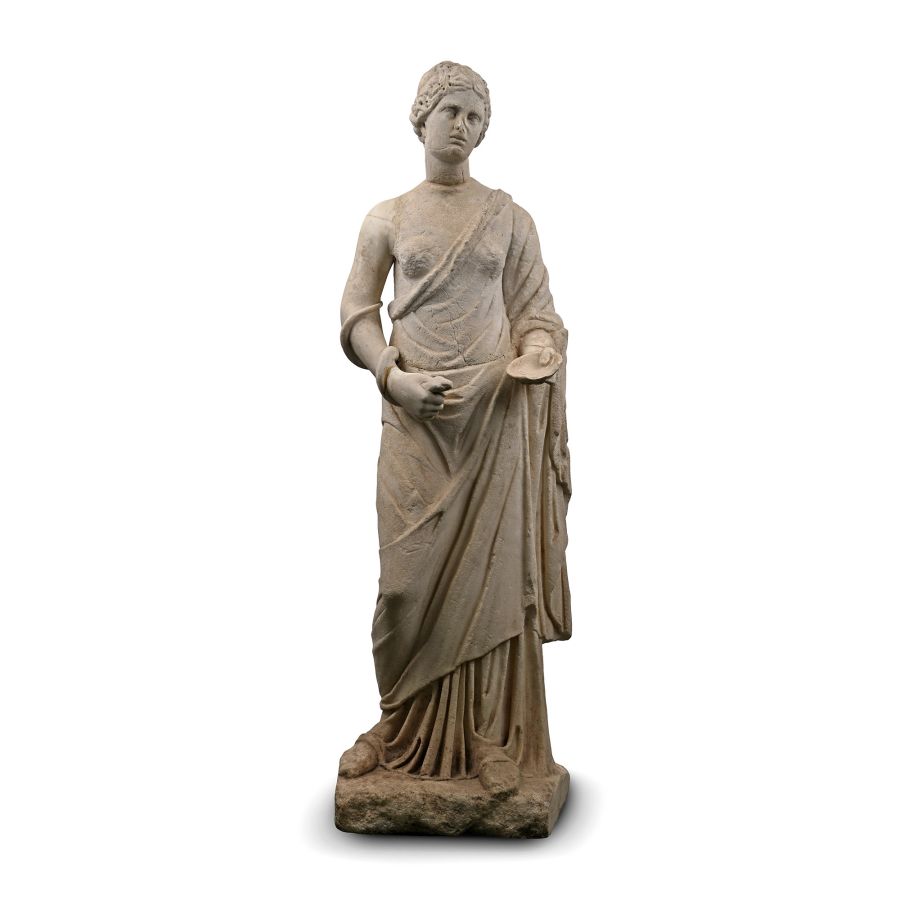
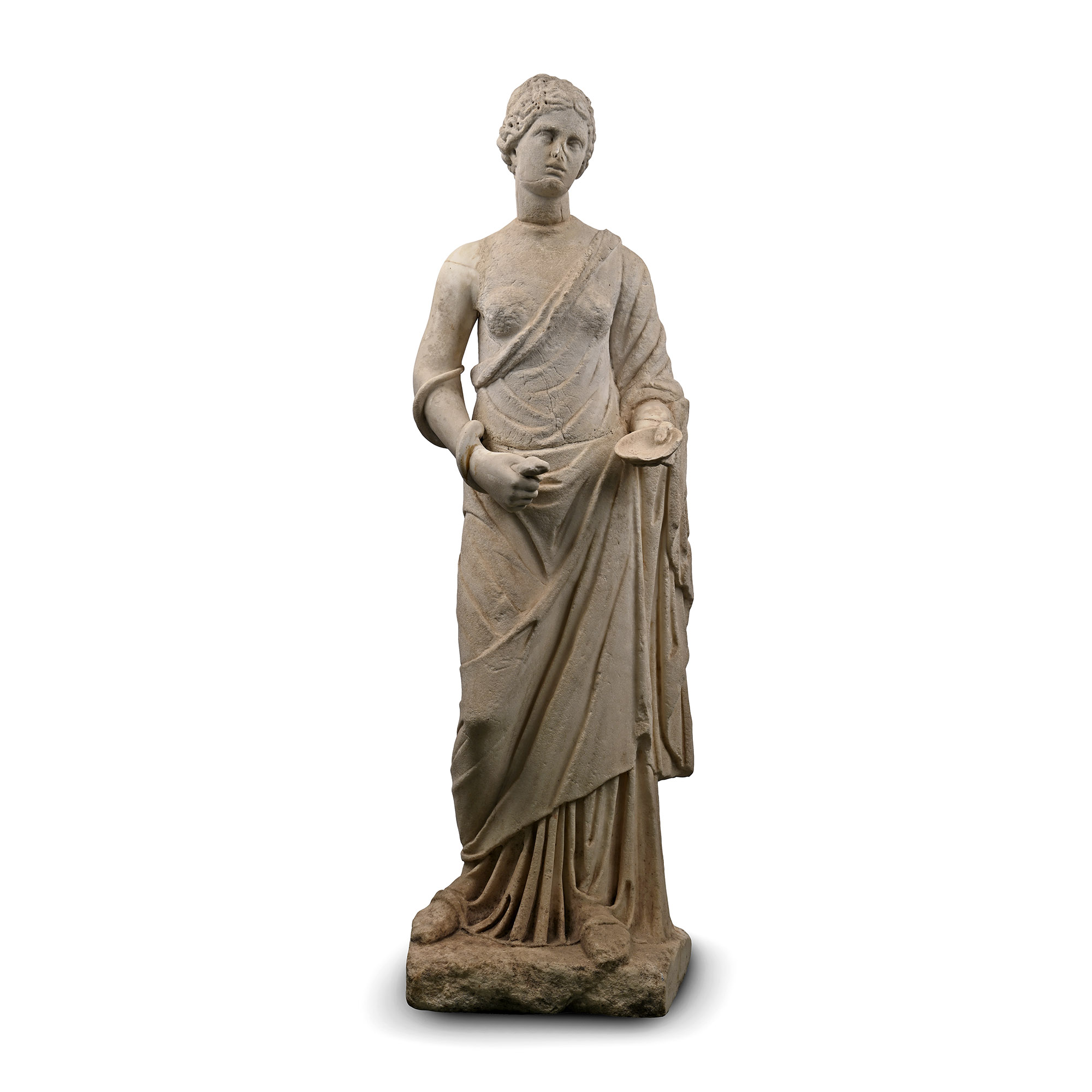
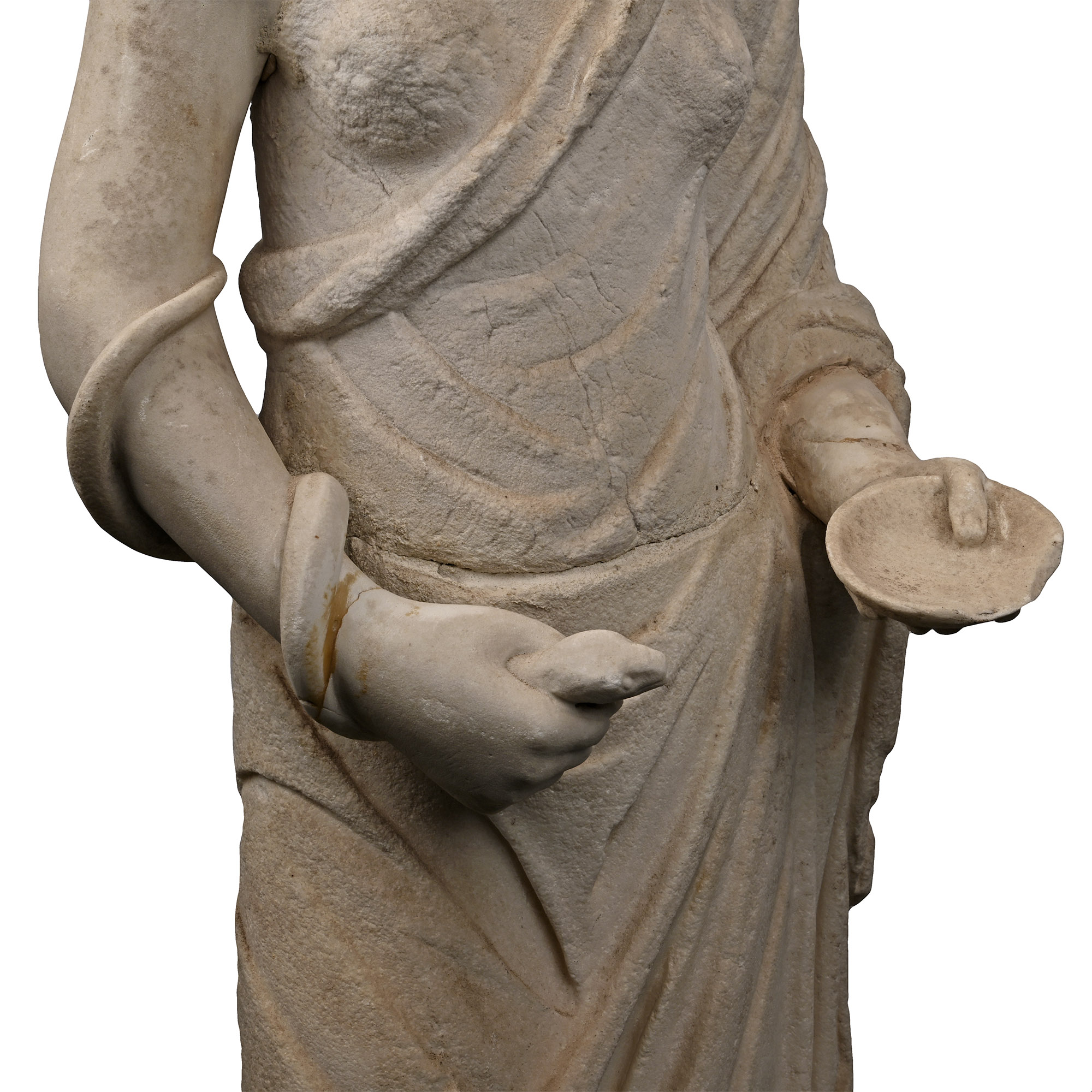
Roman Statue of the Goddess Hygeia with Later Restorations
2ND-3RD CENTURY A.D. AND LATER
45 3/4 in. (95 kg total, 115.5 cm high).
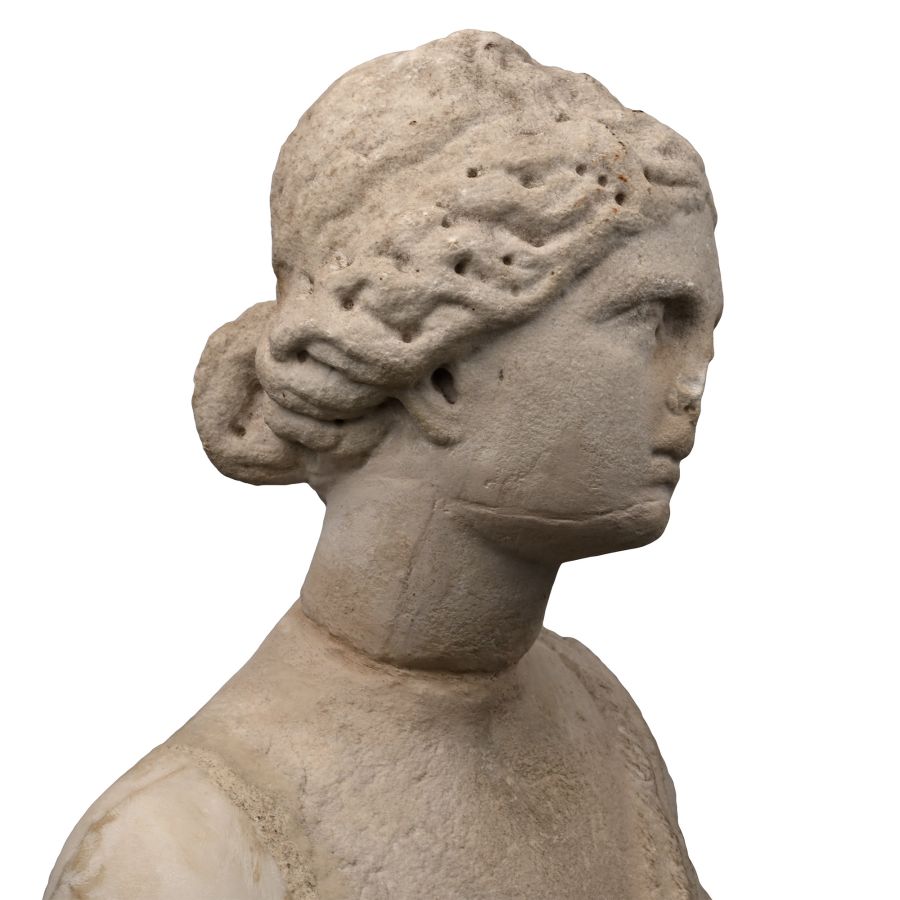
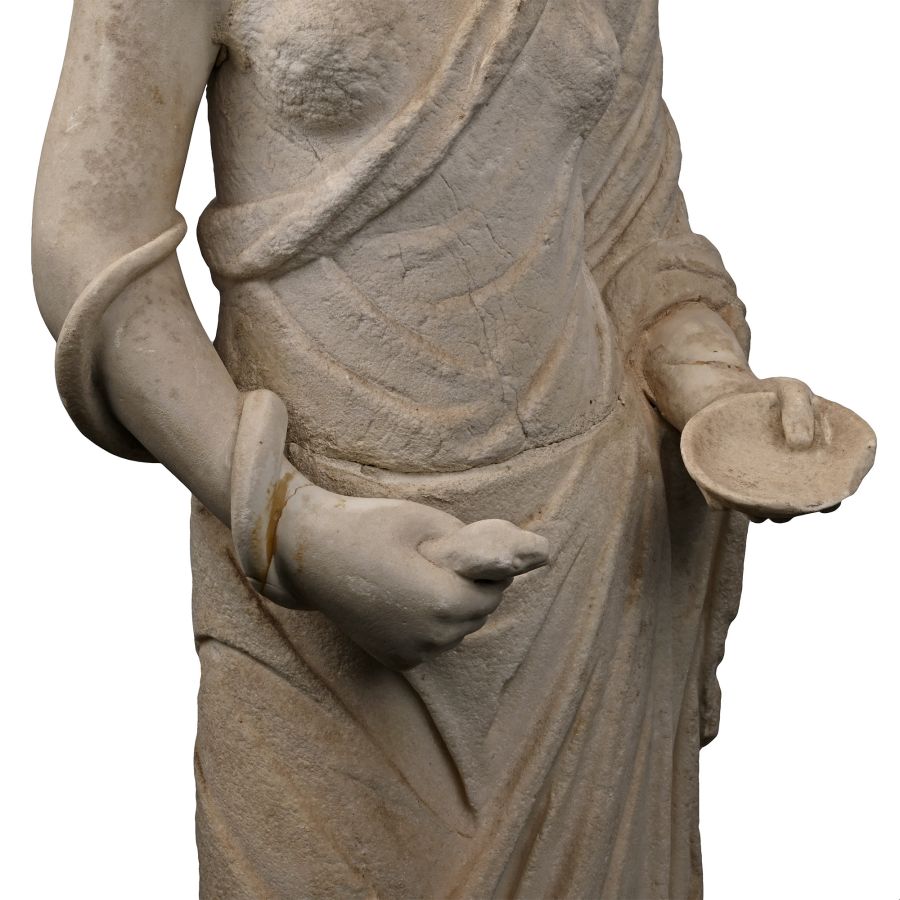
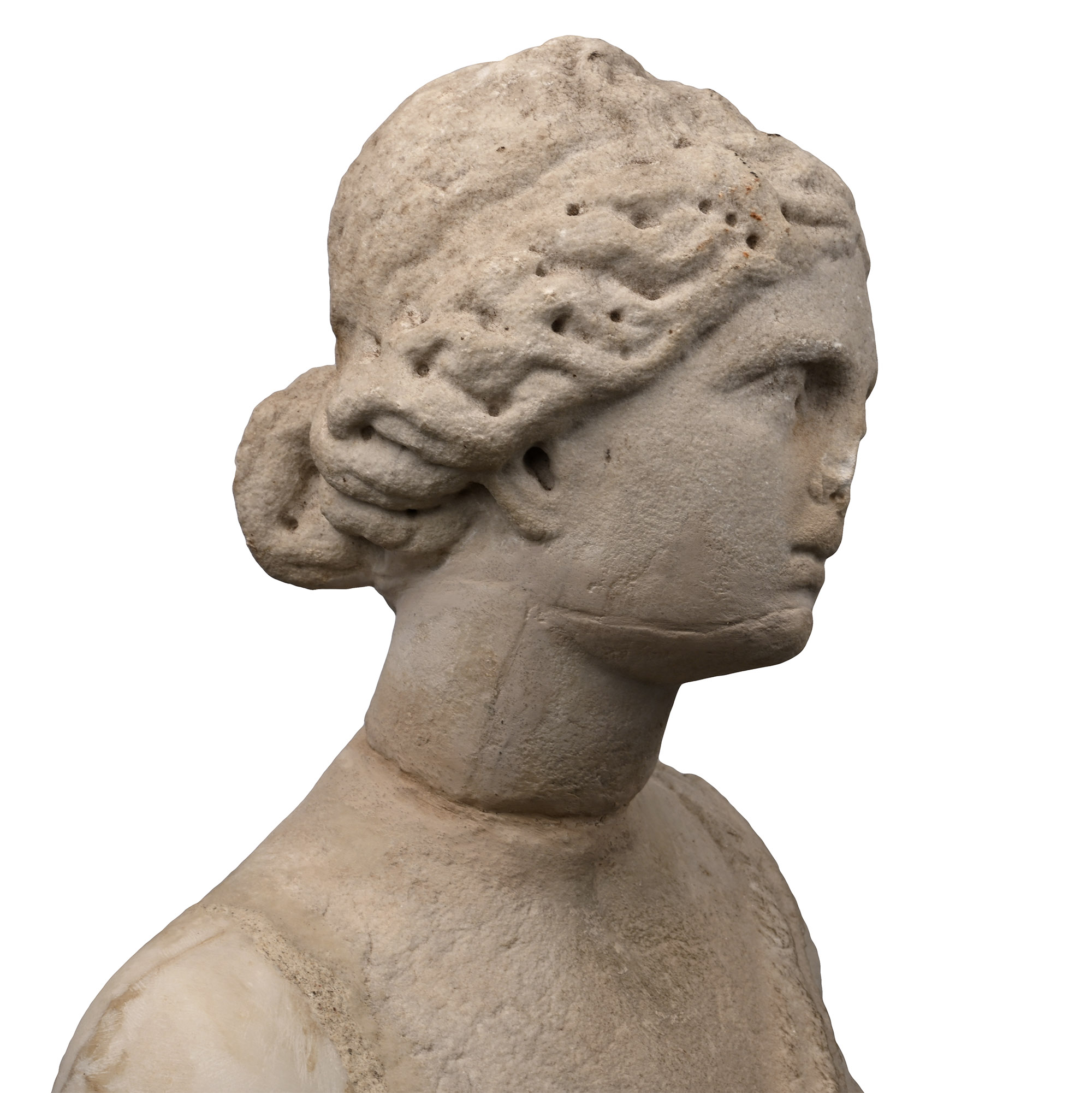
Carved in the round, standing on a rectangular base, wearing a floor-length tiered robe with exposed right shoulder and arm; separate left hand extended, holding a patera; right hand gripping the head of a snake wound around the arm; separate head with finely modelled hair bound in a chignon; repaired and restored.
ProvenanceBelieved to have been in the collection of George Adolphus Gray (c.1850), captain of a merchant vessel and avid collector.
Acquired by the present owner circa 15 years ago, reportedly recovered from a skip.
This lot has been checked against the Interpol Database of stolen works of art and is accompanied by search certificate number no.12967-244537.
Cf. Paribeni, E., 'Enciclopedia dell'Arte Antica, vol. IV, s.v. 1961, Igea, pp.97-99; Antichità di Vílla Doria Pamphilj, Roma, 1977, p.40, n, 4, Tav. VI; Moreno, P., Stefani, C., Galleria Borghese, Milano, 2000, p.178, n.11.
FootnotesAsclepius, son of Apollo and Coronis, was the Graeco-Roman god of medicine, healing and prophecy. He had two daughters with Epione, the goddess of soothing - Hygeia (goddess of health) and Panacea (goddess of healing).
CONDITIONTimeLine Auctions follows a vetting process to ensure the authenticity and legality of all items, reinforcing our commitment to integrity and responsible trading. Each antiquity, antique, and coin lot undergoes thorough examination by a vetting committee of at least ten external specialists, professional trade association members, scientists, and archaeologists: Our Vetting Process
AUCTIONS:
TimeLine is a leading auction house specialising in antiquities, ancient art, collectables, natural history, coins, medals, and books. Our auctions offer museums, collectors, historians, and enthusiasts the opportunity to acquire unique and historically significant pieces.
LOT 0160
Roman Statue of the Goddess Hygeia with Later Restorations
Sold for (Inc. bp): £13,000
-
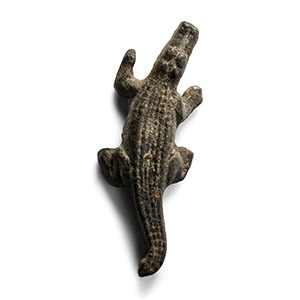
Roman Bronze Crocodile Statuette
1st-4th century A.D.Sold for (Inc. bp): £351
Modelled in the round with its head raised, scale detailing on the body. 28.2 grams, 61 mm
From the collection of a gentleman, acquired on the London art market in the 1990s. -
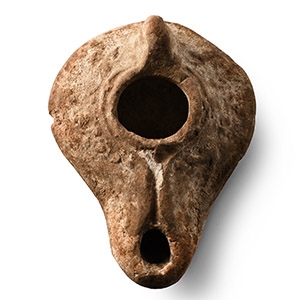
Late Roman Terracotta Oil Lamp
3rd-5th century A.D.Sold for (Inc. bp): £33
Rounded body with large filler hole and lug handle behind; broad shoulder, the rim with a low-relief geometric decoration, elongated nozzle with a low-relief pillar motif; low basal ring. 50 grams, 81 mm
From a late private Dorset, UK, collector. Property of a West London, UK, gentleman. -
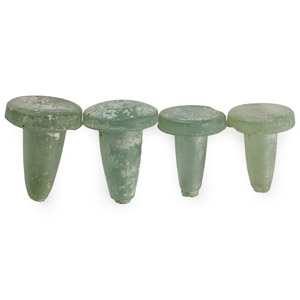
Roman Glass Bottle Stopper Collection
2nd-3rd century A.D.Sold for (Inc. bp): £98
Each an aqua glass disc with shallow depression, integral tapering shank. 68 grams total, 32.5-39 mm
with Archaeologia, Switzerland, before 1983. Ex private North American collection. London private collection, 2016.
