
Loading, please wait...
LOT 0940
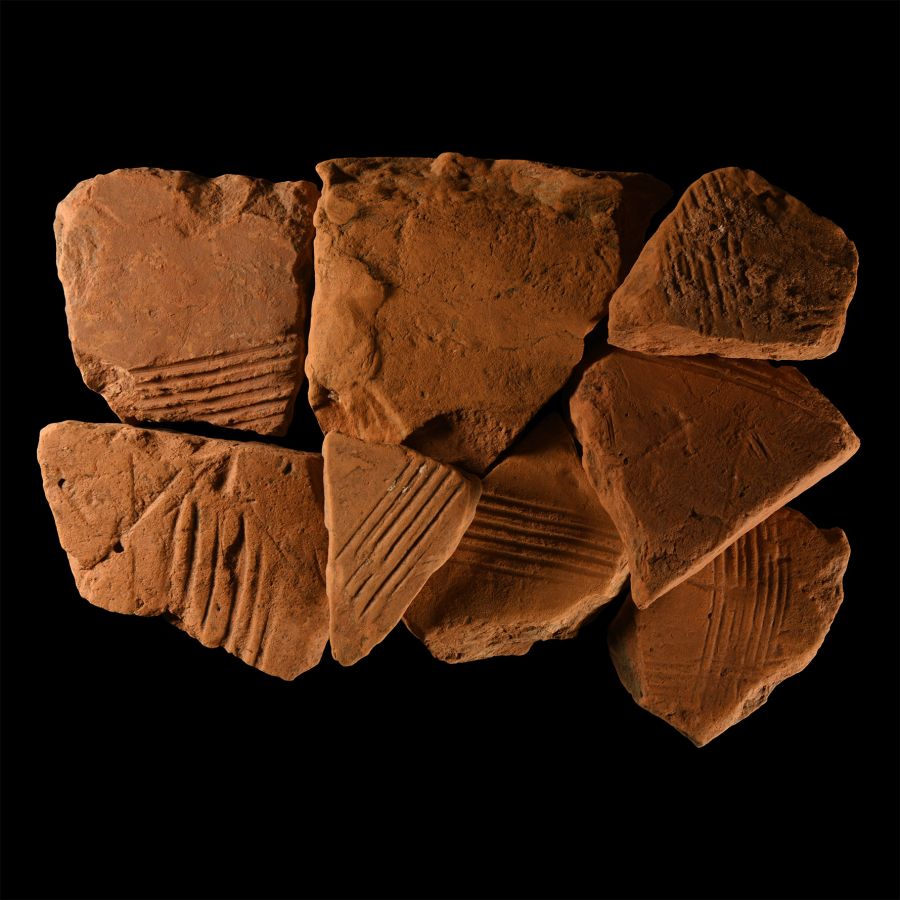
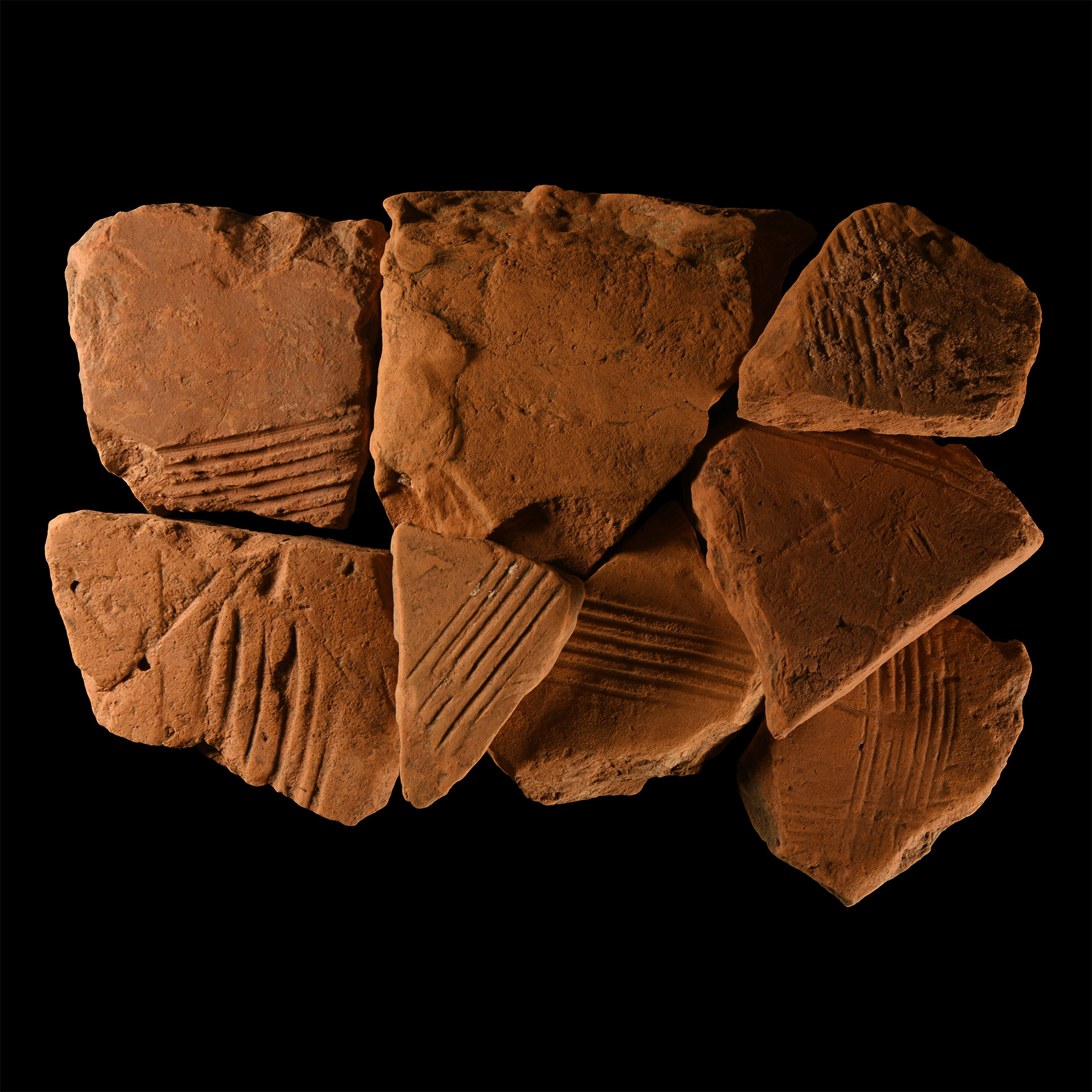
Roman 'Somerset and Devon' Terracotta Roof Tile Fragment Group
2ND-4TH CENTURY A.D.
2 7/8 - 4 3/4 in. (1.4 kg total, 7.3-12.1 cm).
Irregular fragments of terracotta roof tile, some with ribbing. [8, No Reserve]
ProvenanceFound whilst fieldwalking in Somerset and Devon, UK.
CONDITIONTimeLine Auctions follows a vetting process to ensure the authenticity and legality of all items, reinforcing our commitment to integrity and responsible trading. Each antiquity, antique, and coin lot undergoes thorough examination by a vetting committee of at least ten external specialists, professional trade association members, scientists, and archaeologists: Our Vetting Process
AUCTIONS:
TimeLine is a leading auction house specialising in antiquities, ancient art, collectables, natural history, coins, medals, and books. Our auctions offer museums, collectors, historians, and enthusiasts the opportunity to acquire unique and historically significant pieces.
LOT 0940
Roman 'Somerset and Devon' Terracotta Roof Tile Fragment Group
Sold for (Inc. bp): £46
-
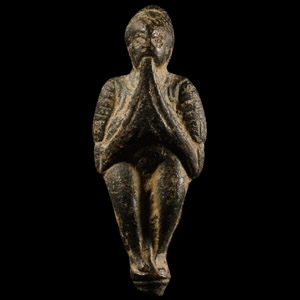
Roman Bronze Baubo Statuette
2nd-3rd century A.D.Sold for (Inc. bp): £247
Standing with hands at her sides, wearing a conical cap, raising her dress to her mouth to reveal her genitals; palmette to the reverse. 26 grams, 48 mm
From a collection acquired on the UK art market from various auction houses and collections mostly before 2000. From an important Cambridgeshire estate; thence by descent. -
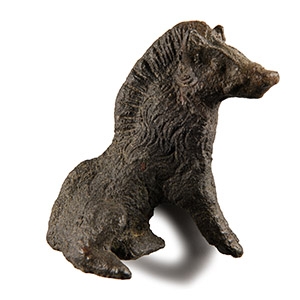
Roman Bronze Seated Wild Boar Statuette
Circa 1st century B.C.-1st century A.D.Sold for (Inc. bp): £260
Hollow-formed figure of a boar resting with hindlegs folded and forelegs straight, thick ridge to the back, fur texture; open underside. 75 grams total, 65 mm
From a collection acquired on the UK art market from various auction houses and collections mostly before 2000. From an important Cambridgeshire estate; thence by descent. -
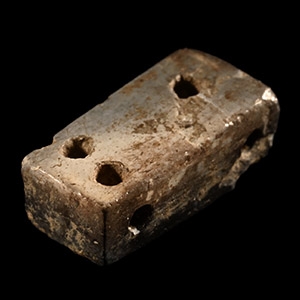
Roman Bone Gaming Dice
1st-4th century A.D.Sold for (Inc. bp): £78
Rectangular-section block with incised spots disposed 2, 3, 2, 4. 1 grams, 14.4 mm
From the important private collection of dice and gaming pieces of Colin Narbeth, London, UK, collection no.51.
