
Loading, please wait...
LOT 0655
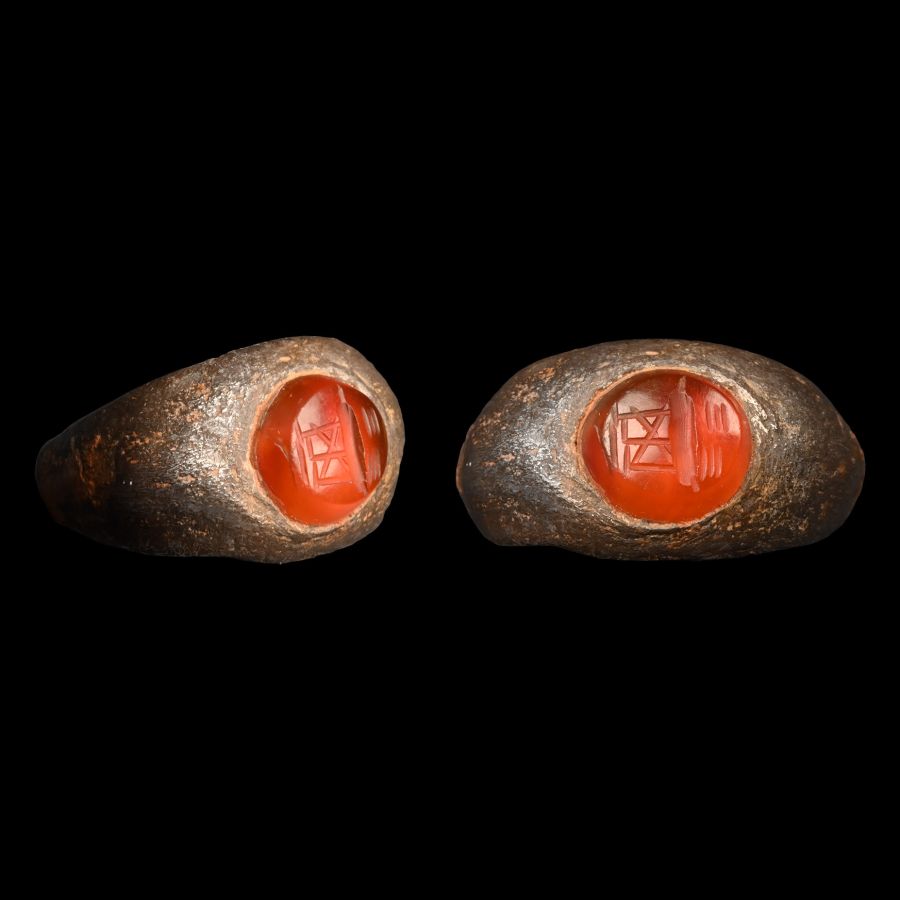
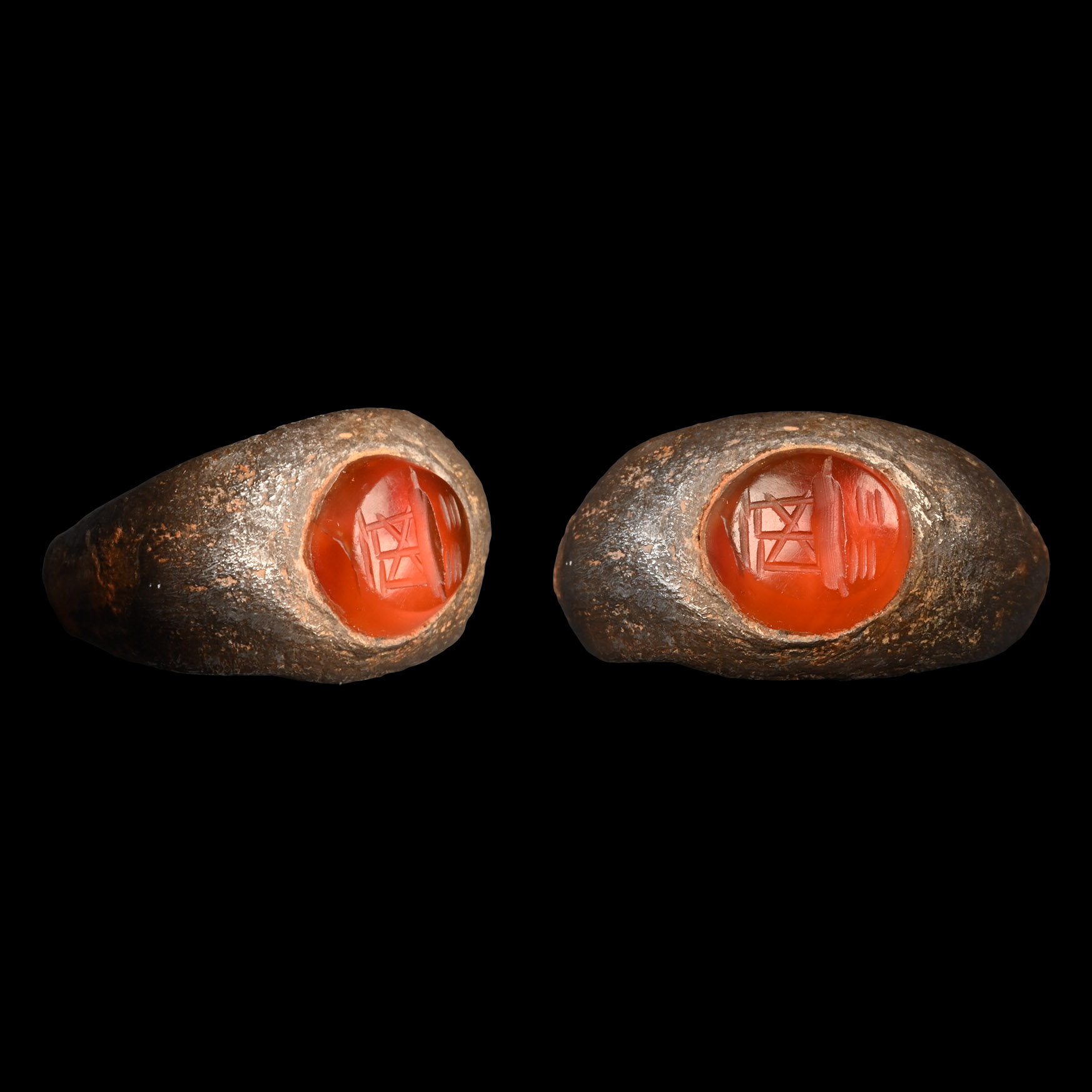
Roman Silver Ring with Carnelian Gemstone
2ND CENTURY A.D.
3/4 in. (4.71 grams, 22.43 mm overall, 17.27 mm internal diameter).
With gemstone stud, inscribed vexillum motif; hoop damaged.
ProvenanceFrom a gentleman's London, UK, collection, in the 1990s.
LiteratureCf. Ruseva-Slokoska, L., Roman Jewellery, Sofia, 1991, item 194, for type.
CONDITIONTimeLine Auctions follows a vetting process to ensure the authenticity and legality of all items, reinforcing our commitment to integrity and responsible trading. Each antiquity, antique, and coin lot undergoes thorough examination by a vetting committee of at least ten external specialists, professional trade association members, scientists, and archaeologists: Our Vetting Process
AUCTIONS:
TimeLine is a leading auction house specialising in antiquities, ancient art, collectables, natural history, coins, medals, and books. Our auctions offer museums, collectors, historians, and enthusiasts the opportunity to acquire unique and historically significant pieces.
-
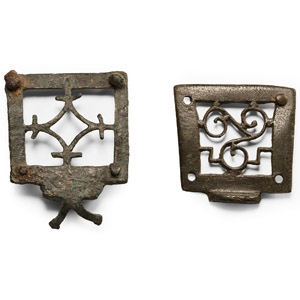
Roman Openwork Military Belt Mount Group
2nd century A.D.Sold for (Inc. bp): £98
Each with a trapezoidal frame and openwork design: one a coiled triskele, the other a lozenge with cruciform spurs; from a military belt. 13.2 grams total, 28-35 mm
Property of the vendor's grandfather, thence by family descent, circa 1985. From the private collection of a New York, USA gentleman -
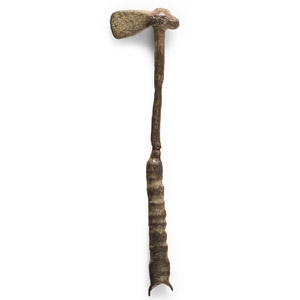
Roman 'Essex' Bronze Votive Axehead Amulet
1st-2nd century A.D.Sold for (Inc. bp): £52
Comprising a round-section shaft with ribbed handle detailing, loop finial, head with trapezoidal blade. 2.16 grams, 50 mm
Found Essex, UK. Property of an Essex collector. -
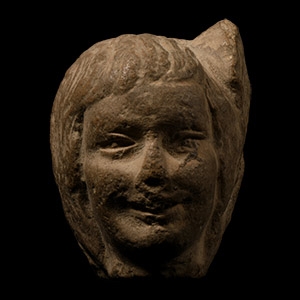
Roman Limestone Head of a Woman
1st-4th century A.D. or laterEstimate: £300 - 400 (‡+bp*)
Opening Bid: £150
Carved in the round with collar-length flowing hair; part of a frieze or group. 345 grams, 80 mm
Acquired in the mid 1980s-1990s. From the family collection of Mr S.A., Switzerland, thence by descent. Private collection since the late 1990s.
