
Loading, please wait...
LOT 0923
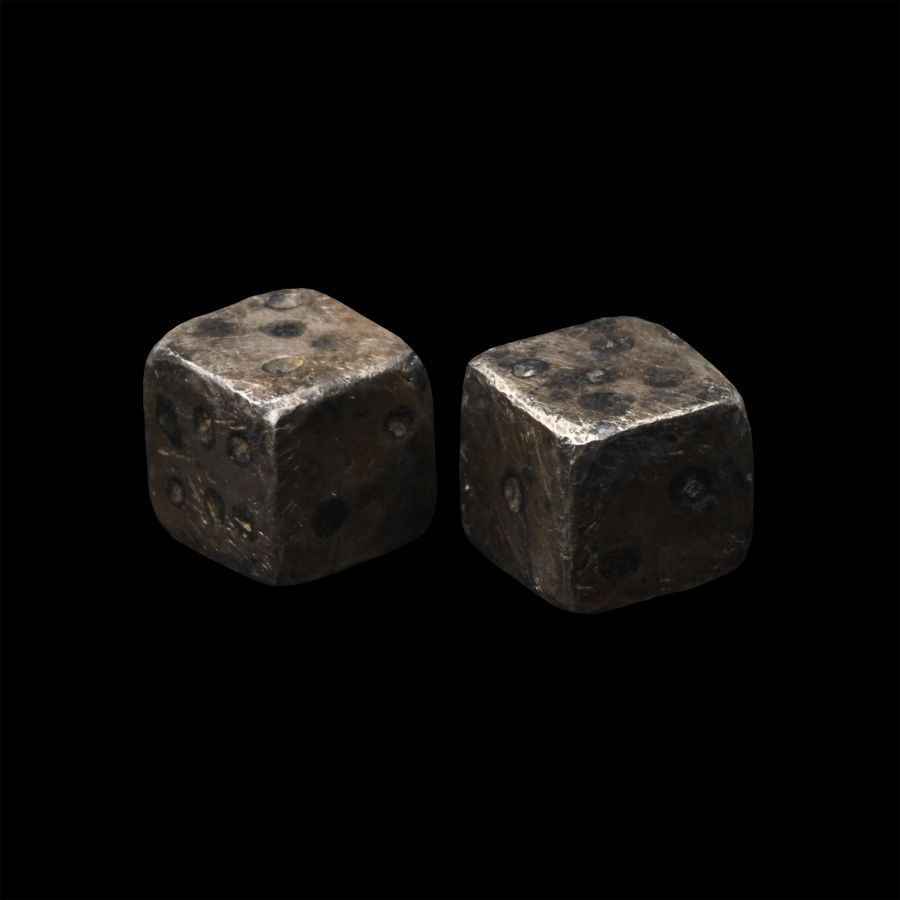
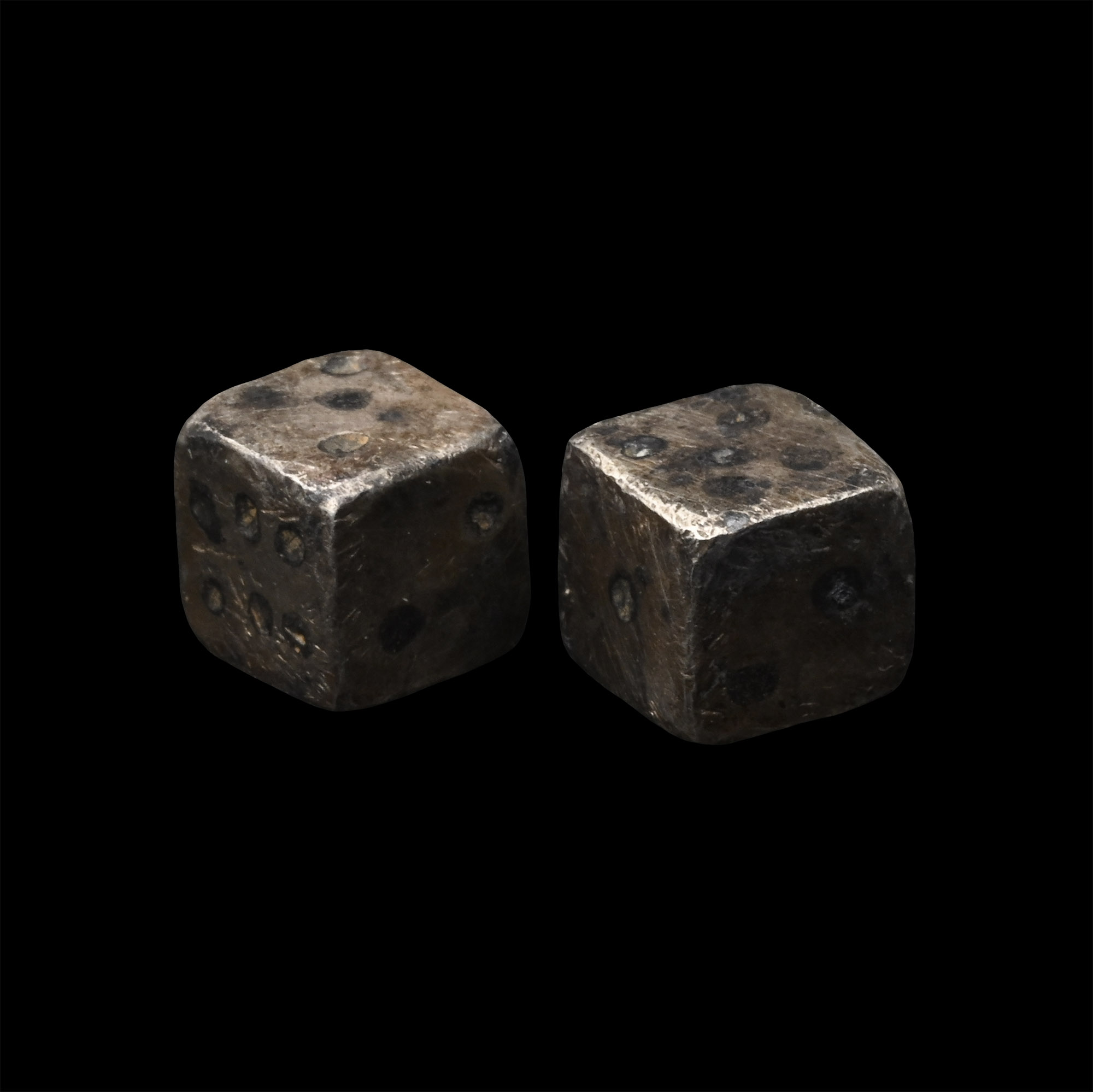
Roman Silver Niello Inlaid Gaming Dice Pair
1ST-4TH CENTURY A.D.
1/4 in. (8.12 grams total, 7 mm each).
Pair of cuboid dice, each with niellod markings disposed 1:6, 2:4, 3:5. [2]
ProvenanceEx German art market, 2000s.
Acquired from an EU collector living in London.
From the collection of a Surrey, UK, gentleman.
TimeLine Auctions follows a vetting process to ensure the authenticity and legality of all items, reinforcing our commitment to integrity and responsible trading. Each antiquity, antique, and coin lot undergoes thorough examination by a vetting committee of at least ten external specialists, professional trade association members, scientists, and archaeologists: Our Vetting Process
AUCTIONS:
TimeLine is a leading auction house specialising in antiquities, ancient art, collectables, natural history, coins, medals, and books. Our auctions offer museums, collectors, historians, and enthusiasts the opportunity to acquire unique and historically significant pieces.
-
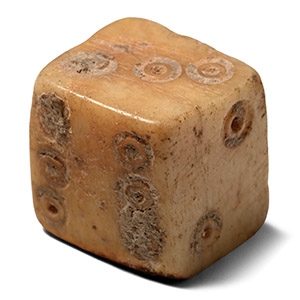
Roman Bone Gaming Dice
1st-2nd century A.D.Sold for (Inc. bp): £130
With incised ring-and-dot markings disposed 1:6, 2:5, 3:4. 4.1 grams, 12 x 13 mm
From a collection of gaming items, formed 1980-1990s. -
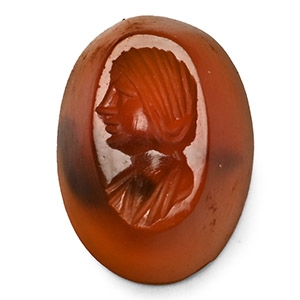
Roman Gemstone with Female Portrait
1st century B.C.-1st century A.D.Sold for (Inc. bp): £117
Ellipsoid in plan with intaglio profile female bust. 0.41 grams, 9 mm
From the collection of a London, UK, gentleman, 1970s onwards. This lot is accompanied by an illustrated lot declaration signed by the Head of the Antiquities Department, Dr Raffaele D’Amato.
Based on similarities with coins and sculptures, the gemstone could date to the Late Hellenistic or Early Roman period. These similarities can be seen in the strongly marked lines of the dress, the pronounced shape of the mouth, and the squareness of the nose. -
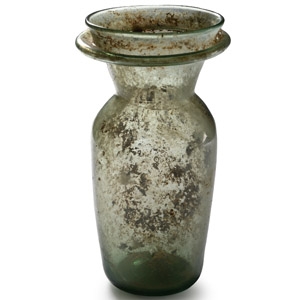
Roman Glass Bottle
3rd-4th century A.D.Estimate: £200 - 300 (+bp*)
Opening Bid: £110
With dimpled base, flared neck and carinated flange below the mouth, rounded rim. 102 grams, 12.9 cm
From an important London collection of glass, 1990s. This lot is accompanied by an illustrated lot declaration signed by the Head of the Antiquities Department, Dr Raffaele D'Amato.
The vessel's shape is a simplified version of a cup decorated with a zigzag line. This is characteristic of Palestinian workshops. Two similar vessels, similar to this one, have been found in Palestine: one in Beit Fajjar, dating to the late 3rd-4th century CE, the other in an unidentified location.
