
Loading, please wait...
LOT 0902
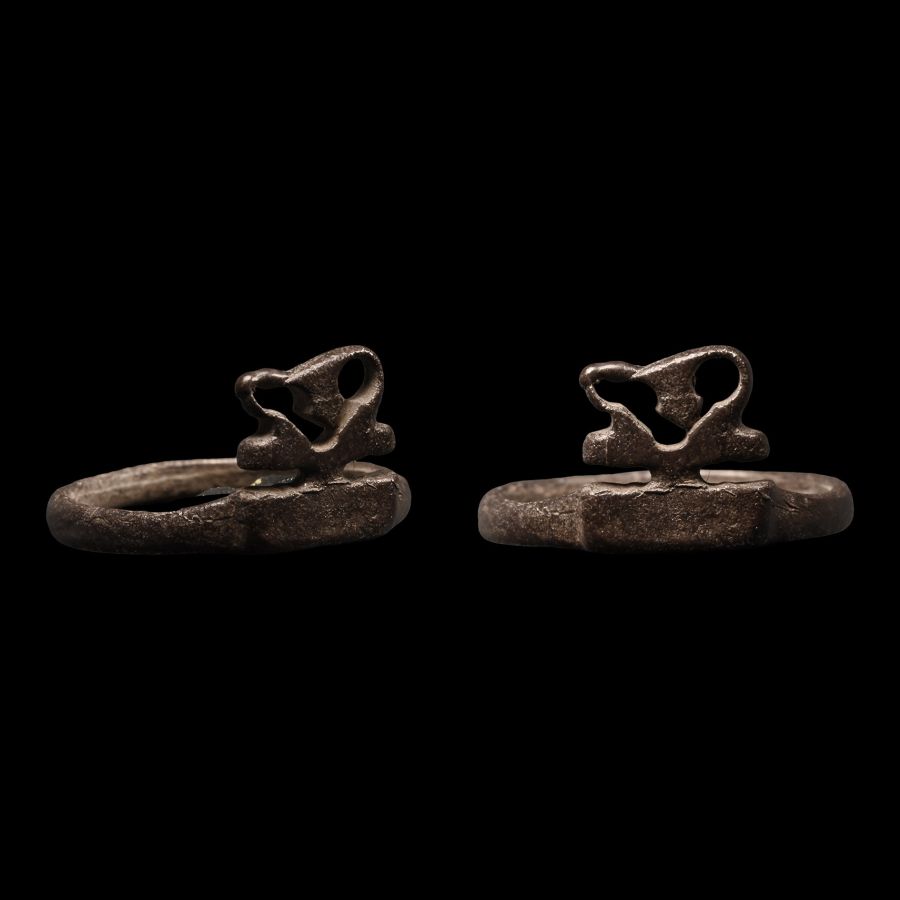
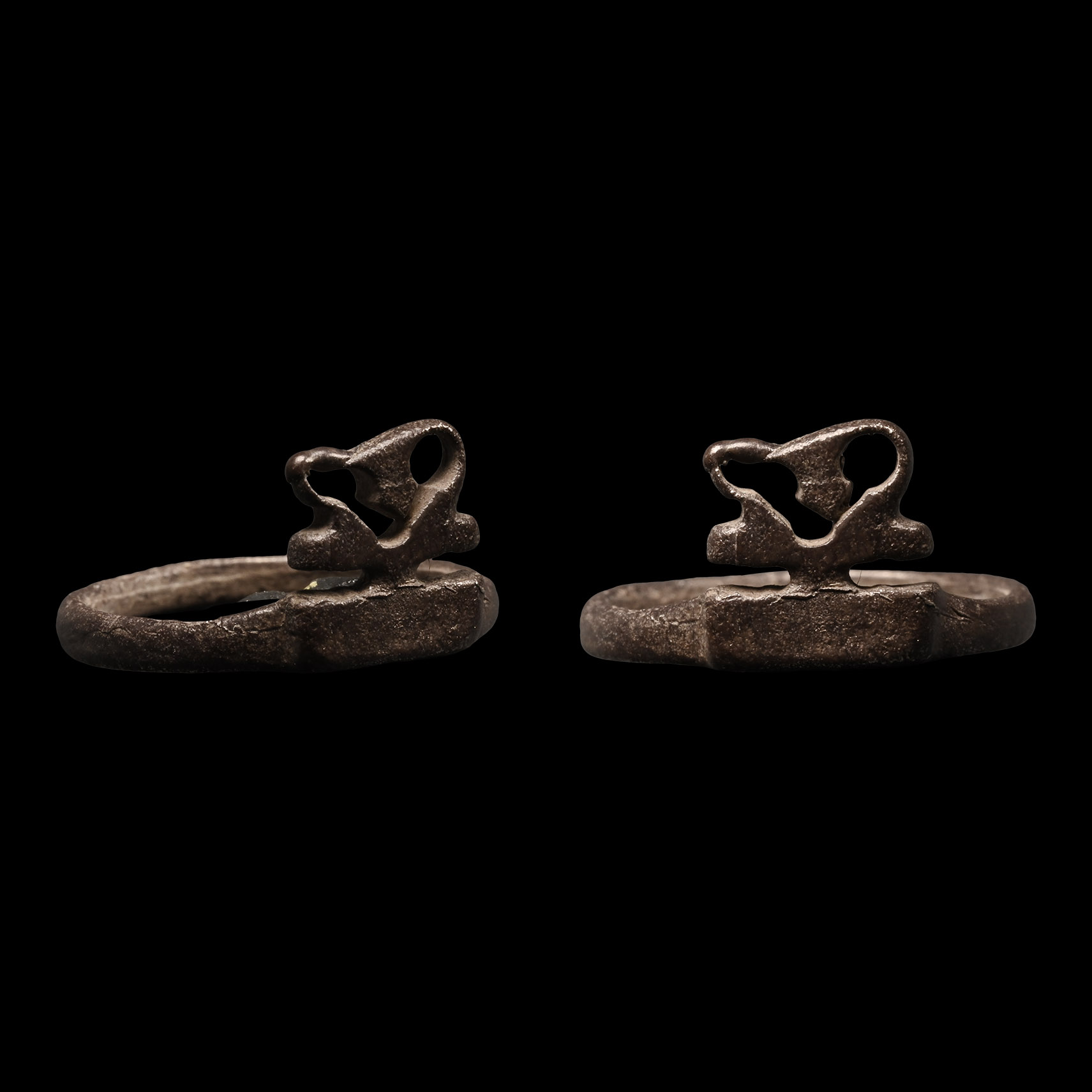
Roman Silver Key Ring with Fretwork Heart
1ST CENTURY A.D.
3/4 in. (2.11 grams, 18.62 mm overall, 16.39 mm internal diameter (approximate size British L, USA 5 3/4, Europe 11.24, Japan 10)).
The bezel formed with an openwork vine and leaf motif.
ProvenanceAcquired 1980-2015.
Ex Abelita family collection.
Cf. Ruseva-Slokoska, L., Roman Jewellery, Sofia, 1991, item 231.
CONDITIONTimeLine Auctions follows a vetting process to ensure the authenticity and legality of all items, reinforcing our commitment to integrity and responsible trading. Each antiquity, antique, and coin lot undergoes thorough examination by a vetting committee of at least ten external specialists, professional trade association members, scientists, and archaeologists: Our Vetting Process
AUCTIONS:
TimeLine is a leading auction house specialising in antiquities, ancient art, collectables, natural history, coins, medals, and books. Our auctions offer museums, collectors, historians, and enthusiasts the opportunity to acquire unique and historically significant pieces.
LOT 0902
Roman Silver Key Ring with Fretwork Heart
Estimate £100 - 140€120 - 160 (for guidance only)$140 - 190 (for guidance only)
-
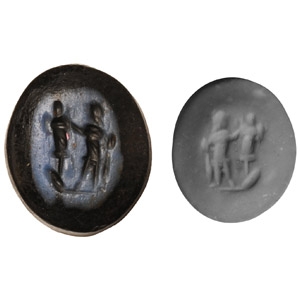
Roman Gem with Emperor with Trophy
2nd-3rd century A.D.Sold for (Inc. bp): £169
Glass imitating nicolo with incuse motif of a triumphant emperor holding up a trophaeum; supplied with a museum-quality impression. 0.56 grams, 11 mm
From the Fadel family collection, London, UK, 1970s. -
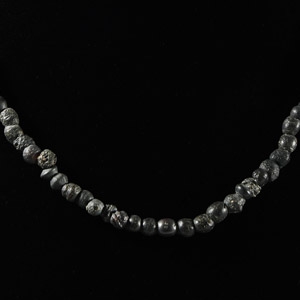
Roman and Other Bead Necklace
1st-4th century A.D. and laterSold for (Inc. bp): £20
A restrung designer necklace including oblate, biconvex and other types. 22.7 grams, 41.5 cm
Acquired on the London, UK, art market in the 1990s. Ex London, UK, gallery. -
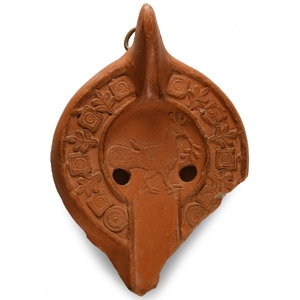
Roman Redware Lamp Sherd with Bird
4th-5th century A.D.Sold for (Inc. bp): £65
With flange handle to the rear, band of fronds and squares to the shoulder, dove with olive branch in its beak to the discus. 83 grams, 12.1 cm
Acquired 1960s-1990s. From the late Alison Barker collection, a retired London barrister.
